Journey Around The Globe
ready for the next destination
Nature walk in La Hulpe, Belgium
LA HULPE, BELGIUM: Belgium continues to surprise us with its history and natural beauties. La Hulpe is one of those places where both nature and history come together in one splendid landscape.
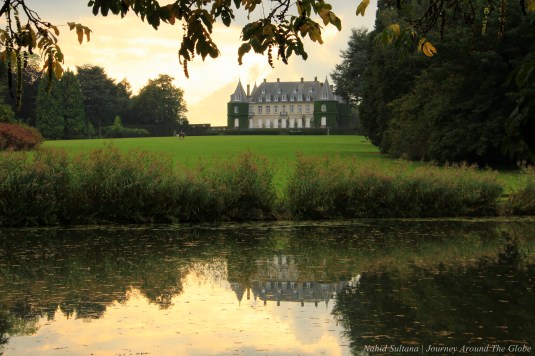
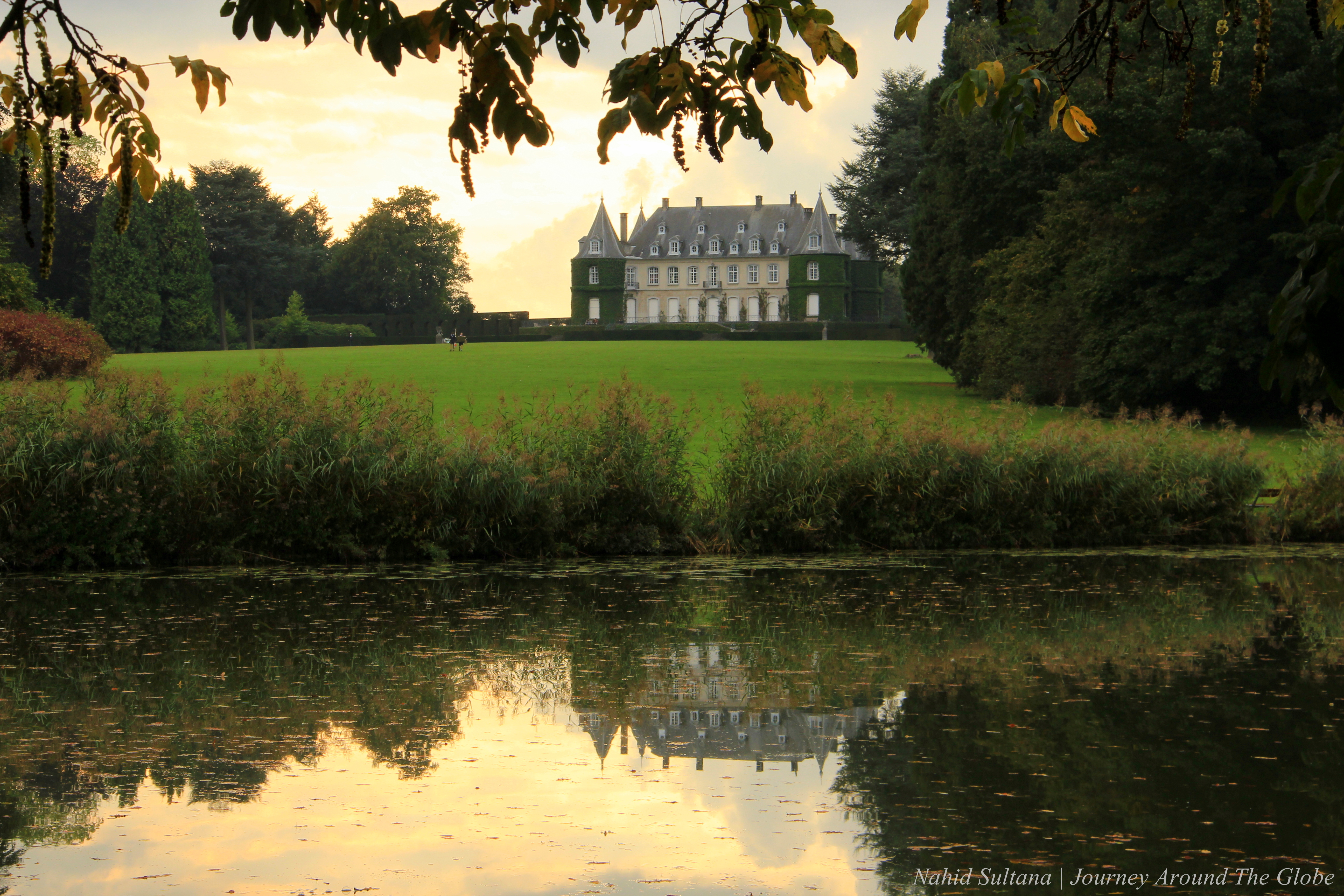
- La Hulpe Castle in Belgium
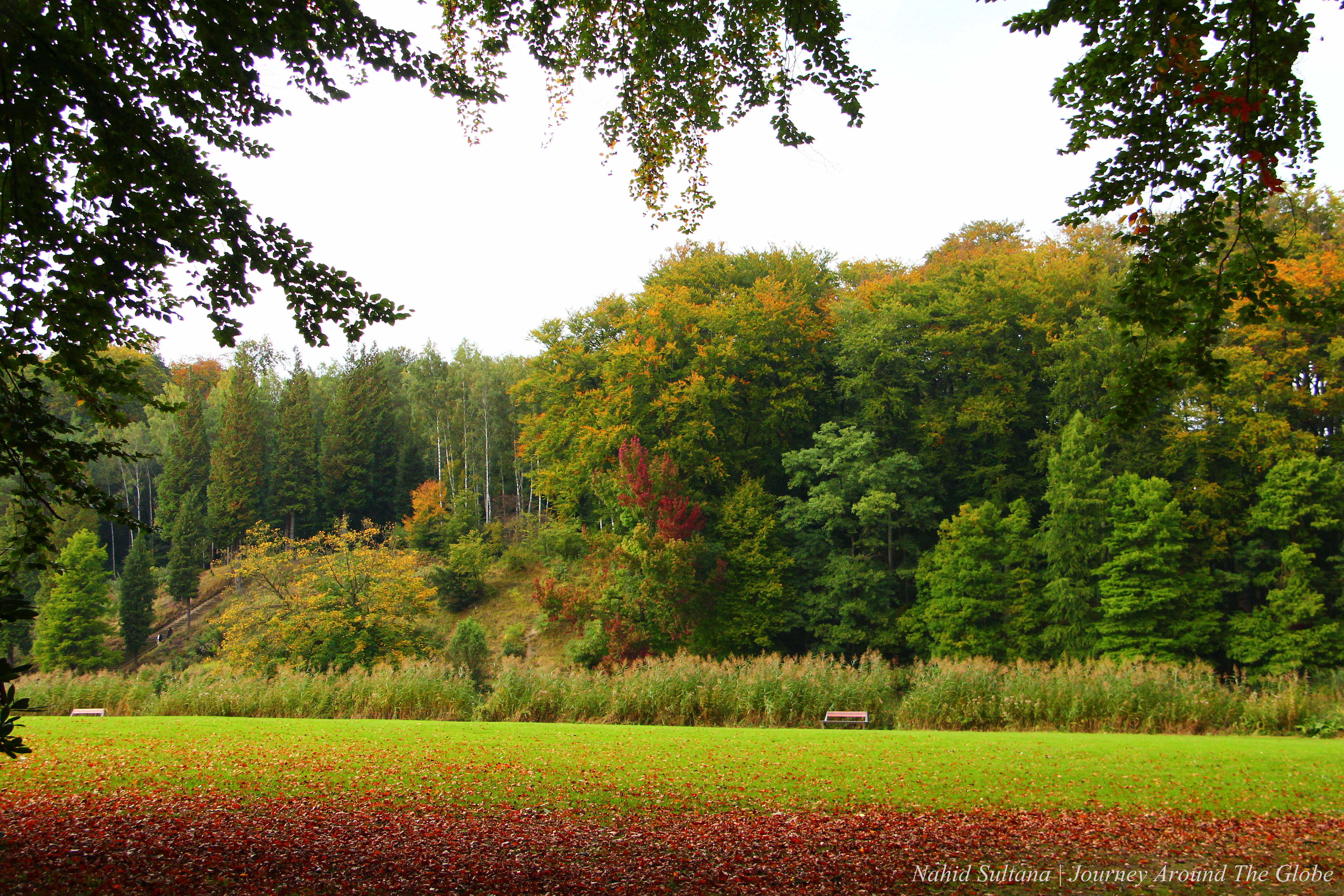
Since fall is almost here in Belgium, I wanted to get out of the house with my camera to shoot some fall colors in any nearby site. La Hulpe, a Walloon town (French territory of Belgium), is only 10 miles from Tervuren. Park and trails of La Hulpe is part of Soignes Forest which is the biggest preserved forest in Belgium.
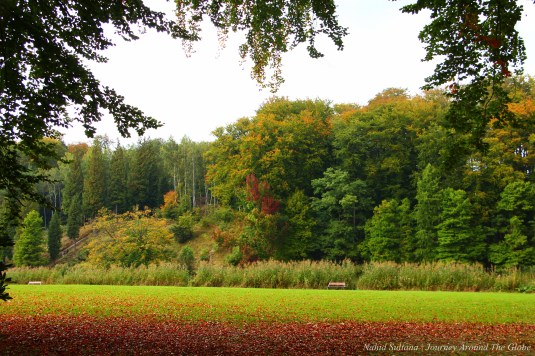
- Fall colors in Soignes Forest in Belgium
I reached there around 5:30 pm, by then, the sunny harsh light was gone. Many children, especially scout teams, were there to do some nature walks and exploration activities. The park is huge, I mean it’s very big and will need few trips to cover at least the main natural sites. I didn’t really go into deep trails or forest on my first trip, just followed a paved path that led me to the Castle of La Hulpe.
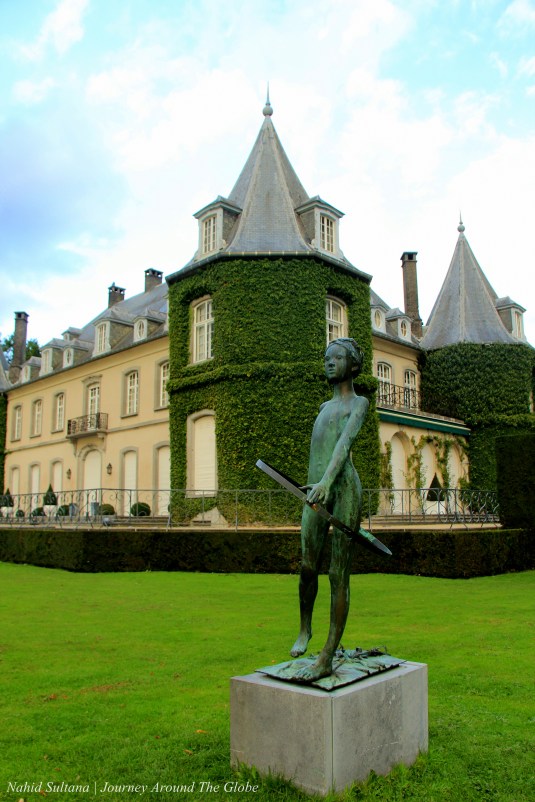
- Close-up La Hulpe Castle in Wallonia of Belgium
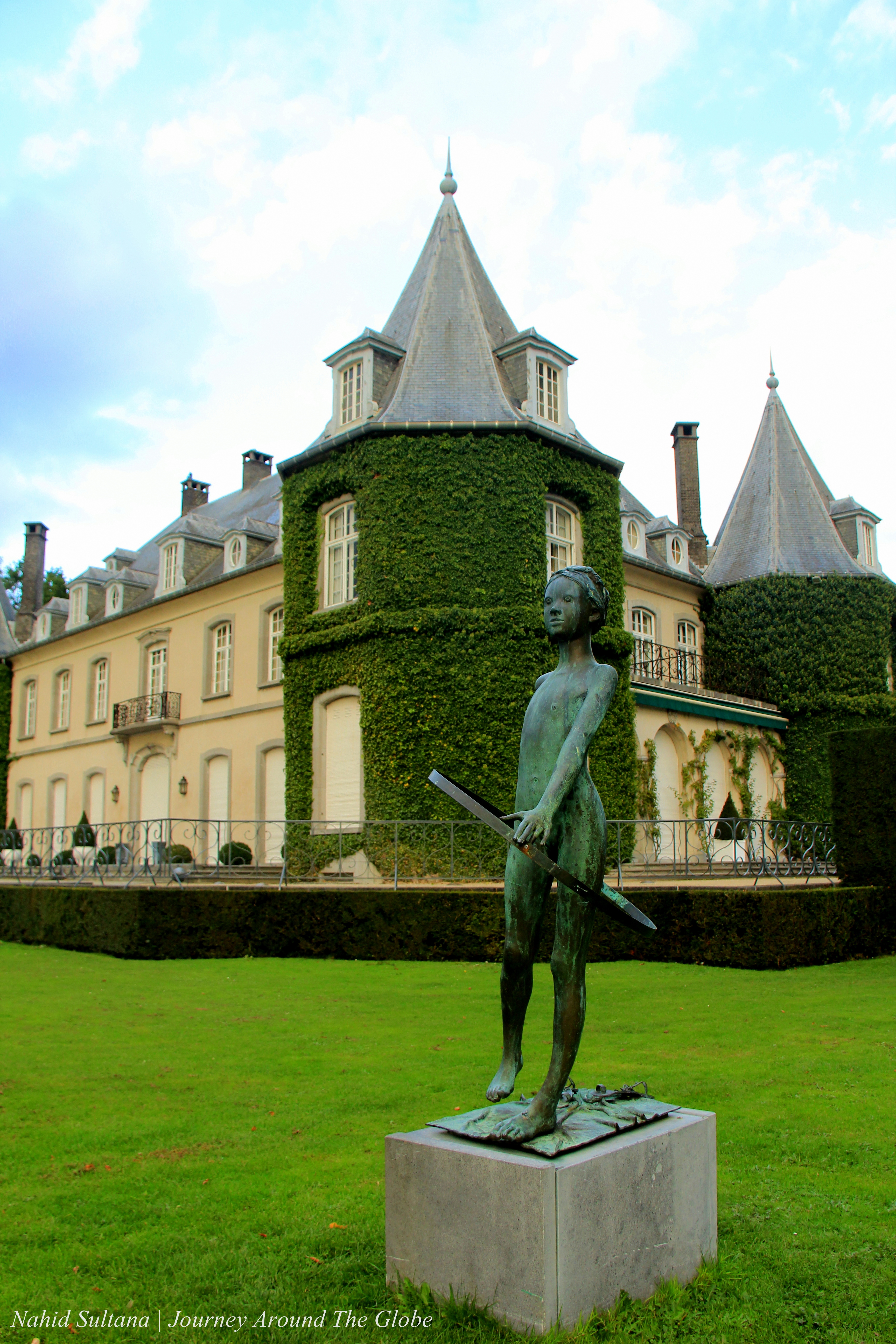
I am not sure if you can actually go inside the castle. But my daughter was saying they went inside during their trip here with school French instructor two years ago. But anyways, it was closed by the time I went there. There is a small but beautiful garden in one side of the castle and front of it is a big meadow. A lake awaits after you cross the neat green field of grass. It was just beautiful. I promised myself that I would come back here once again during the peak of fall and get some nice photos of patches of colors from the trees surrounding the lake.
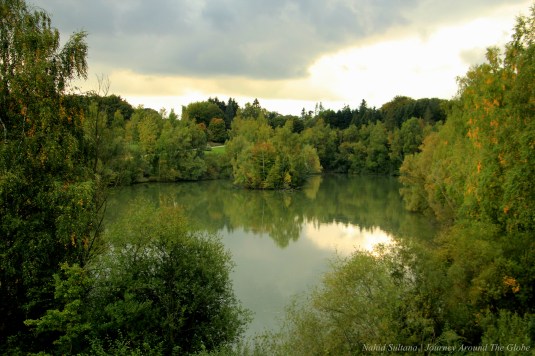
- A small lake in front of the castle in Soignes Forest, Belgium
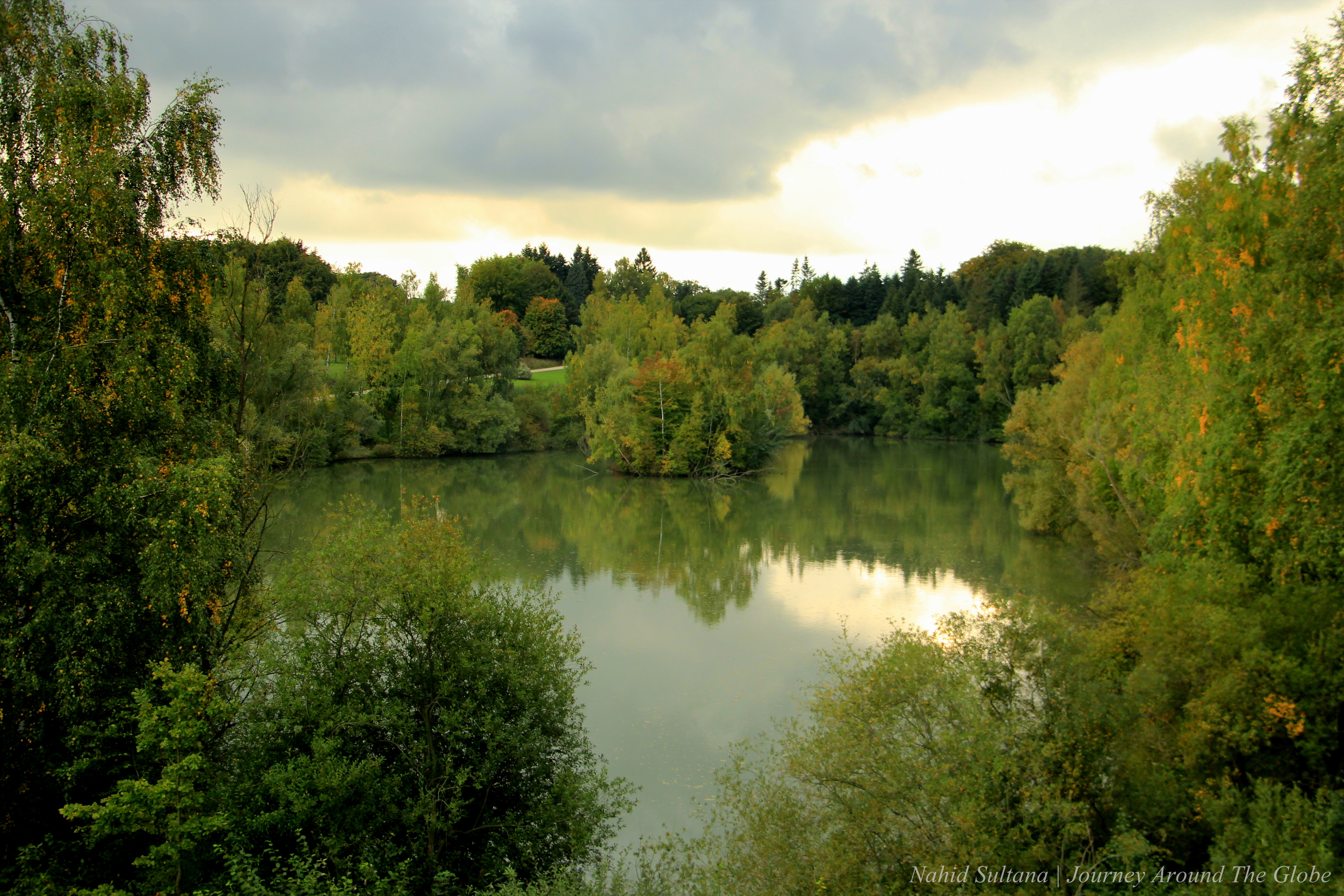
La Hulpe Park is a perfect place for joggers, runners, photographers, explorers, and people who just love nature. There was a little history board giving some info on the castle as well as Soignes Forest, but everything was in French…so really couldn’t figure out anything. But overall it was worth spending 2 ½ hours here with my camera last Saturday…gotta come back again though.
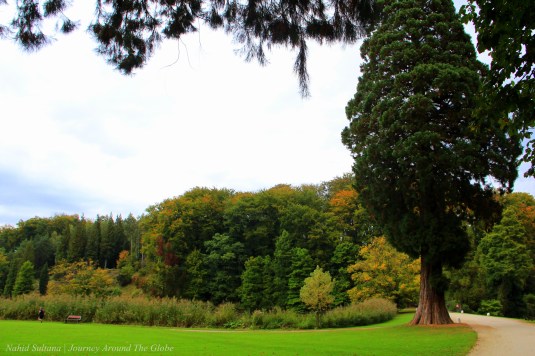
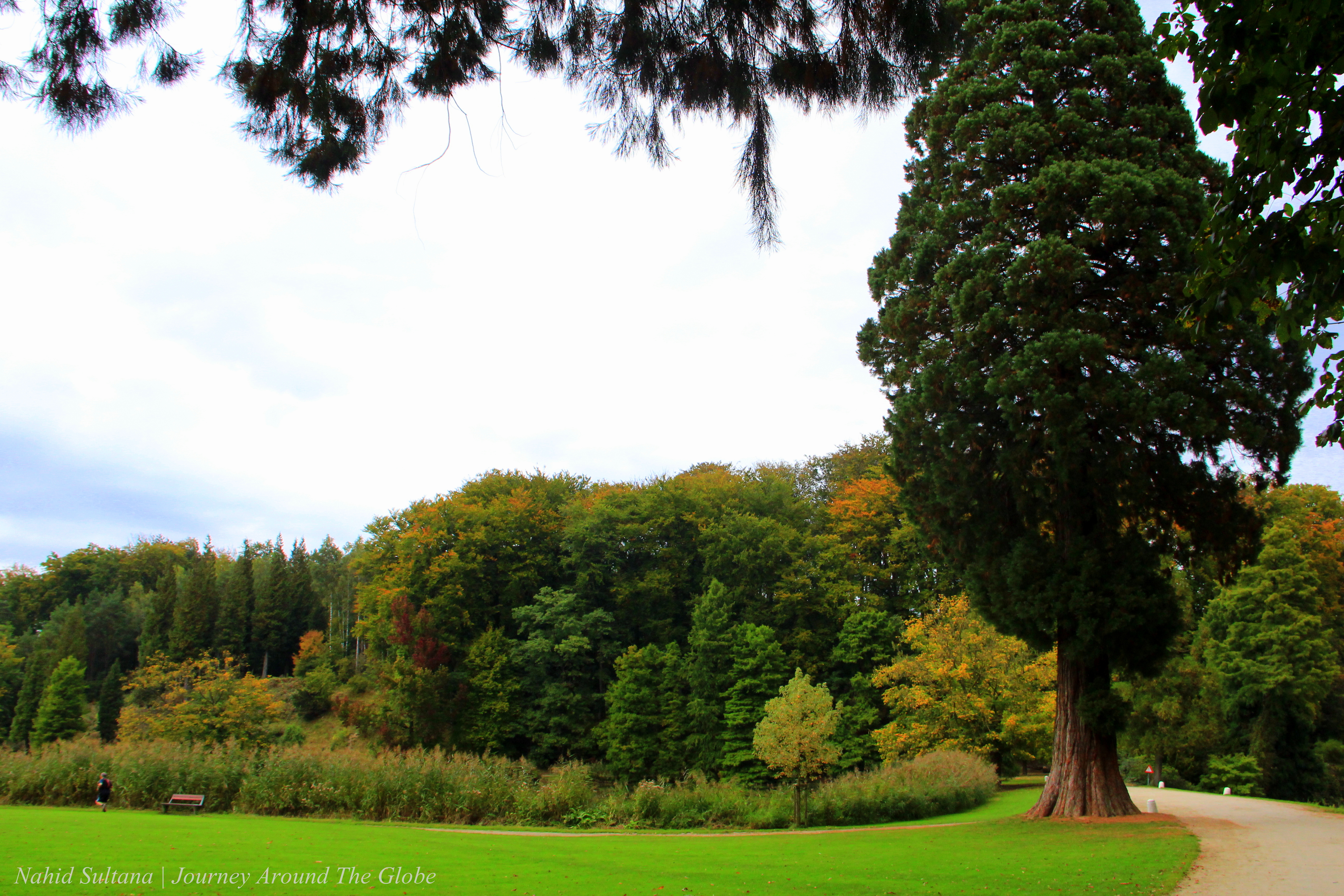
- A perfect place to mingle with the nature in La Hulpe, Belgium
Related articles
- Revisiting Gent (journeyaroundtheglobe.com)
- Les Jeunes et La Jeunesse (chrisnicastro12.wordpress.com)
- Demographics and Psycho-graphics in Wallonia (chrisnicastro12.wordpress.com)
Share this:

City of Amber – Riga, Latvia
RIGA, LATVIA: Riga, capital of Latvia, is the largest city in the Baltic States. This is one of the attractive cities of Europe which is still not spoiled by heavy tourists. The city was founded in 1201 as a base for the Northern Crusaders. It was once part of Swedish and later Russian Empires. In 1990, Riga became the capital when Latvia broke away from Soviet Union. Unfortunately, during WWII the city was heavily bombed and left to decay until its independence. That’s when the government started reconstructions and restorations of the old part of Riga. This is a thriving capital city with futuristic buildings and structures and an old town with pleasant medieval look.
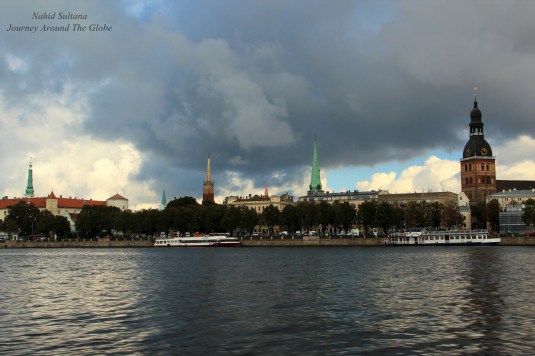
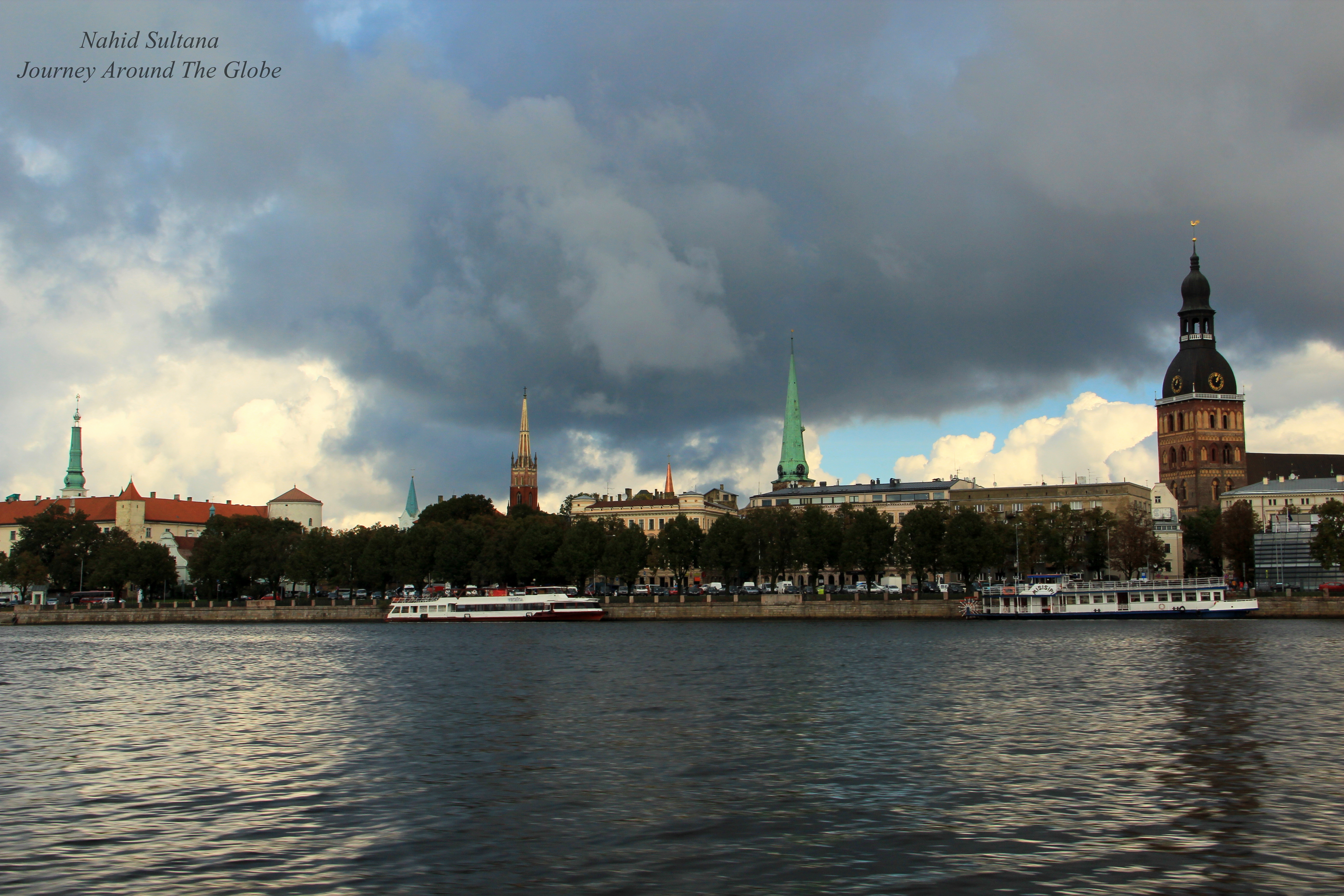
- Looking at old part of Riga from River Daugava
Latvian people are very friendly and helpful. They speak very good English as well as Russian. The native language is Latvian but most people speak both Latvian and Russian.
Old central part of Riga is not that big and can be covered on foot. If you rush little bit and are not into museums you can probably manage to visit the main landmarks in a day. We saw many homeless and beggars here. While some of them are just asking for money some others try to give you small service in exchange of small amount of money, like sketch your face or something.

- A street sign in Riga, to keep the city nice and clean

TIME of TRAVEL: We flew to Riga beginning of October, 2013. While it started to get gloomy and rainy here in Belgium, the weather in Riga was actually very nice…at least the days we were there. It was a bit empty in the old town on Saturday morning; many stores were closed, not too many people on the streets or in cafes. But eventually we started seeing people in the afternoon. Everything was ok here except our luggage was lost and didn’t arrive on time. But luckily we got it the next day…phew. I thought we would have to wear the same clothes for our 3-days stay in Riga.
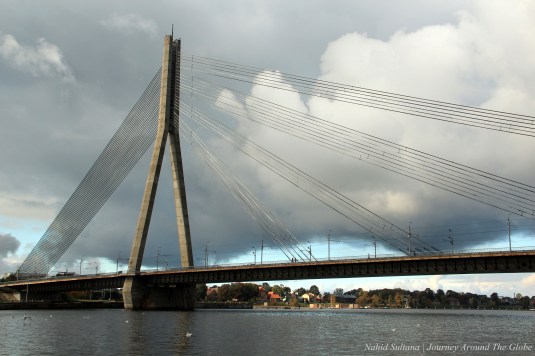
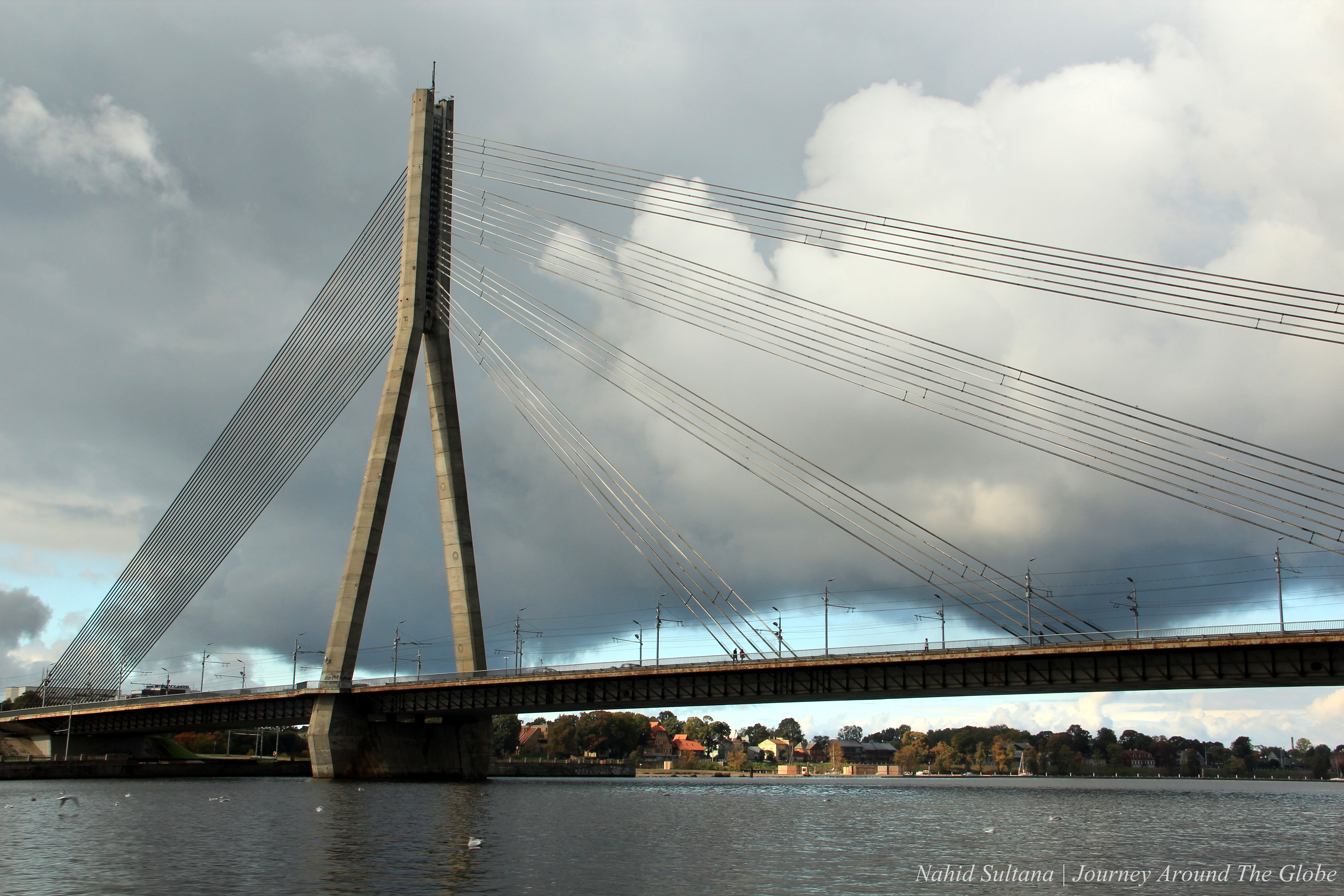
- Stone Bridge on River Daugava, we could actually see it from our hotel window in Riga
OUR HOTEL: We stayed in Hotel Radisson Blu Daugava in Riga with a fantastic view of the old town on the other side of River Daugava. Good thing about this hotel was they had free shuttle to and from old town. Of course a free grand breakfast and Wi-Fi were included in the package too. I never had problem staying in Radisson Blu…simply a great hotel. Their dinner was awesome too. Every night we used to sit by the window with the river in front of us. This is about 20 minutes of drive from the airport.
EATING and SHOPPING: All of the dinners here we had in our hotel. But for lunch we tried Rockabilly’s House in Livu Square. They had live Rock ‘N Roll music with a local band, I think, which was quite enjoying. It’s a good American restaurant with few selections of Latvian dishes.
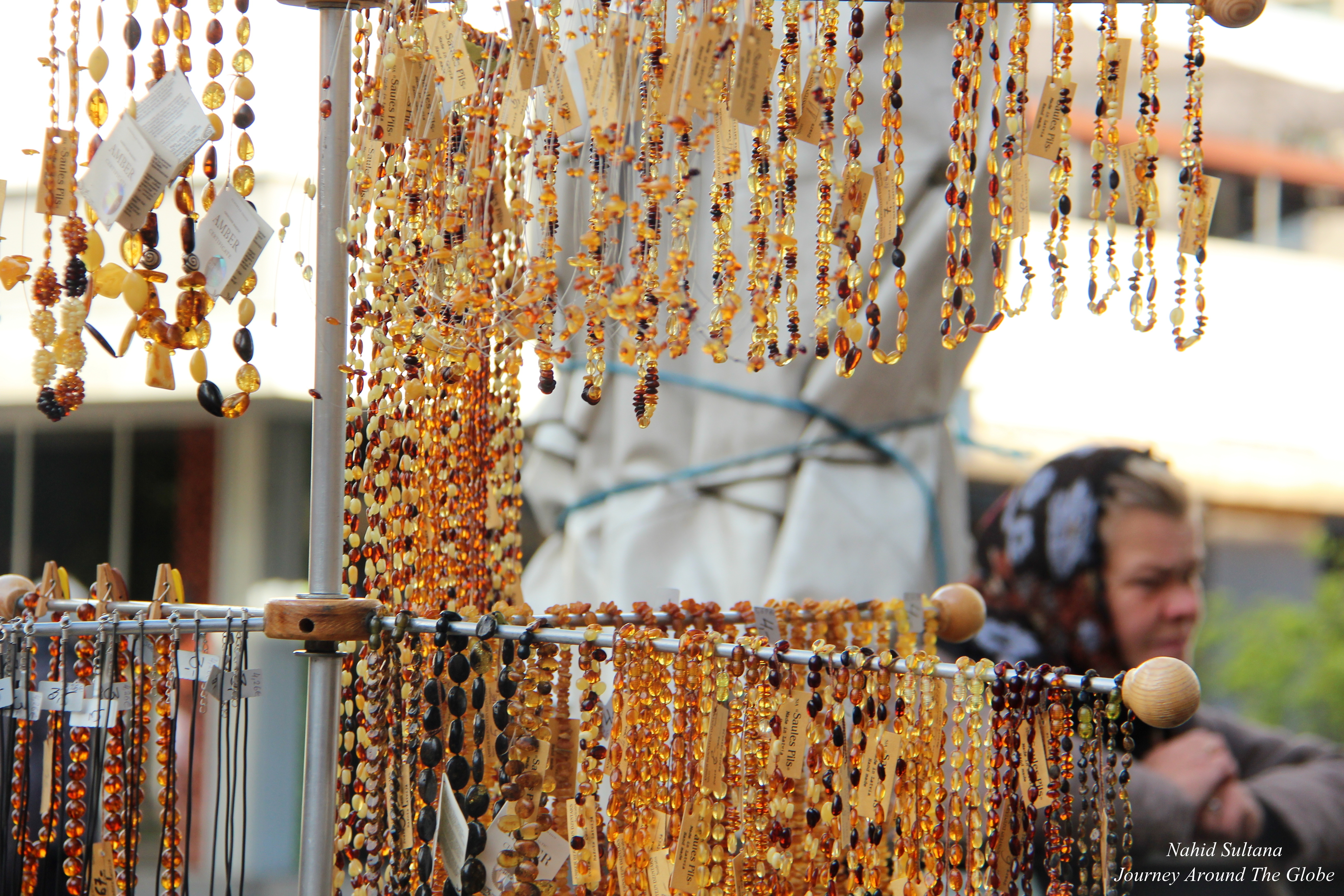
Riga is THE place to buy amber. Not only amber jewelries but also home decors and arts made from amber. You can find both natural and synthetic ones here. There are cluster of decent amber stores in the old town. Don’t buy cheap stuff, better to pay a bit more and get real natural amber from showrooms. Winter hats, gloves, and scarves are popular souvenirs here too. There was a big farmer’s market in front of Riga Dome on one Saturday that we were there. They sell fruits, veges, small souvenirs, gourmet food items, ceramics, and many other cool stuff.
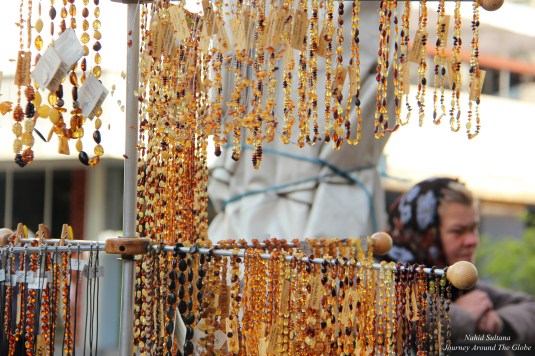
- A street vendor selling amber jewelries in old town of Riga
Laima is a popular chocolate manufacture in Riga. There is even a spot near Freedom Monument called “Laima Clock” (from 1924) which is a popular rendezvous’ point for young sweethearts.
PLACES WE’VE VISITED: I spent only a day in Riga while my husband took the girls on the 2nd day for some more sightseeing. One place that I really wish I could see was Art Nouveau style buildings from the 19th century which is part of UNESCO World Heritage Site.
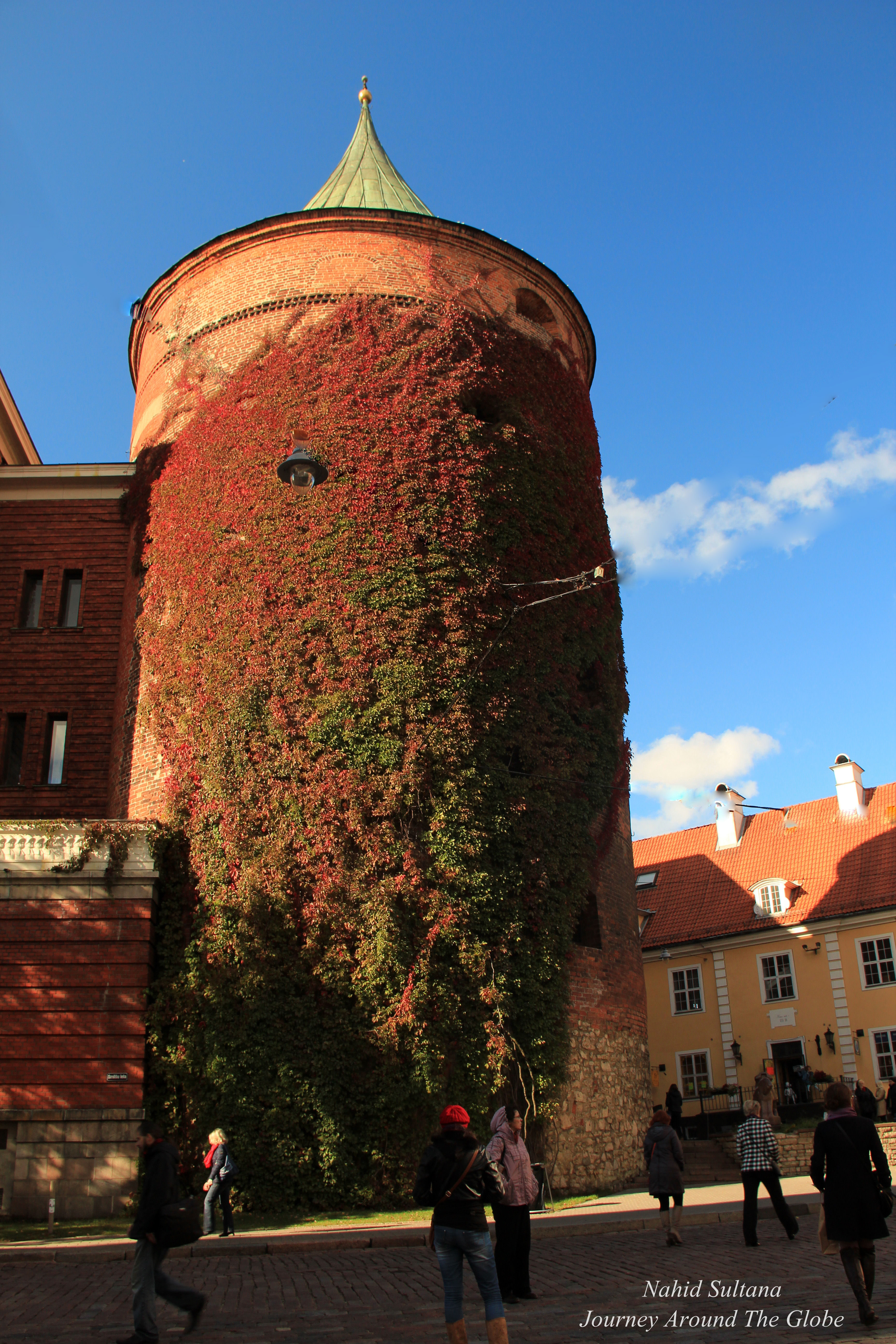
If it interests you, go to round cylindrical-shaped Powder Tower to visit Military museum which is the only tower of the old fortification system that is still standing. St. John’s Courtyard is a surviving example of a medieval courtyard. Bastion Hill and St. Jacob’s Barrack are both Riga’s historic points and contain some of the old walls and defense system.
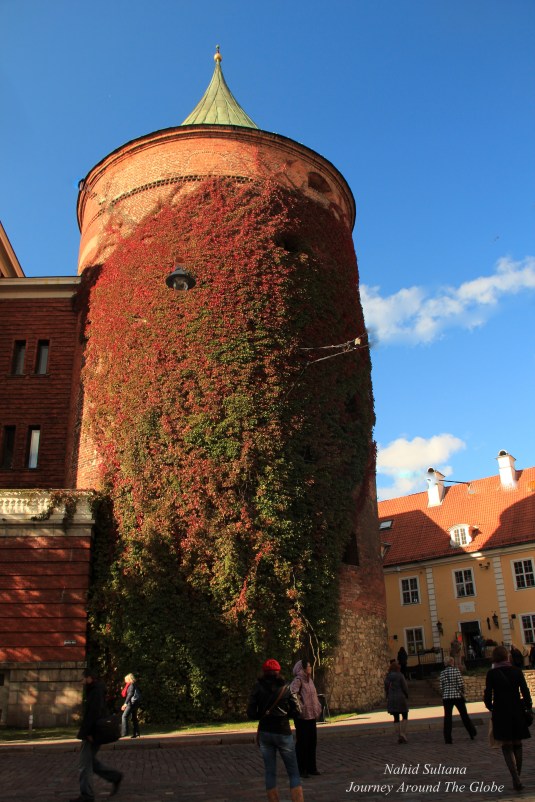
- Powder Tower – is the only tower of the old fortification system that is still standing in Riga
Don’t waste time going to Three Brothers…which is supposed to be oldest dwelling houses in Riga…but they are nothing but some dull old architectures sitting in one corner where there is nothing really to do.
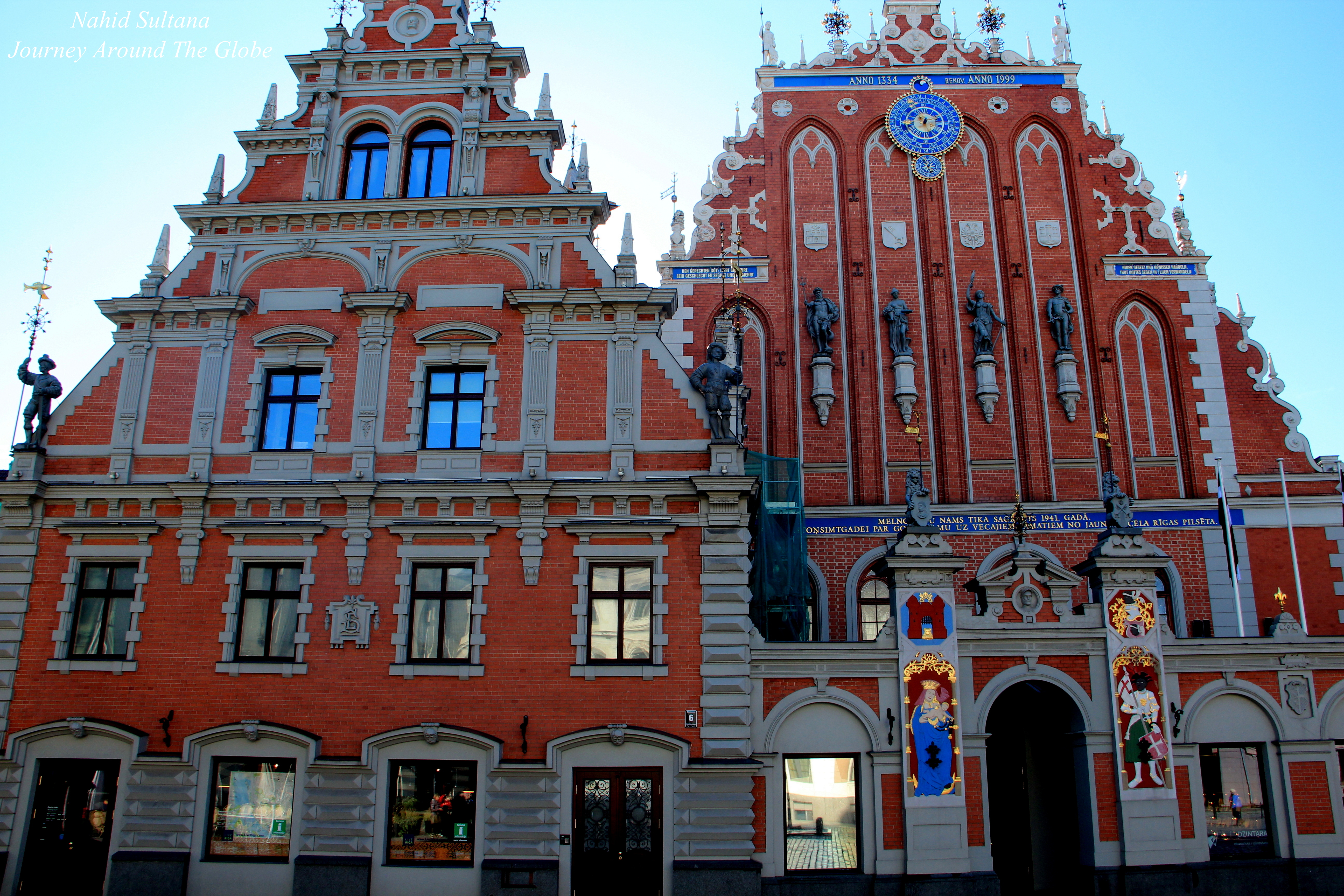
1) TOWNHALL SQUARE and HOUSE of BLACKHEADS: Town Hall Square was and still is one of the main squares of Riga. This is where we were left off by our hotel shuttle. The square has little bit of contemporary look. Statue of Ronald in the center represents that Riga was once part of the Hanseatic League. City Hall is at one side and adjacent to it is the House of Blackheads. House of Blackheads was once used to be a guild house, now it’s a museum, concert hall, and part of it is tourist office. This is one of the most vibrant and decorative buildings in this neighborhood. Original one, from 1334, was completely destroyed during WWII and was later rebuilt in 1999.
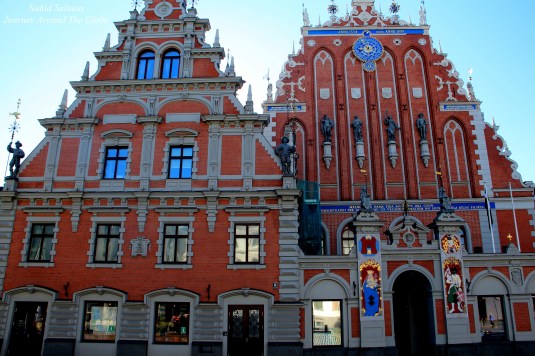
- House of Blackheads in Town hall Square in Riga, Latvia
2) ST. PETER’S CHURCH and BREMEN MUSICIANS: Located beside Town Hall Square, St. Peter’s Church is one of the oldest and most valuable monumental architectures from the Middle Ages in the Baltic States and the oldest in Riga. First record of St. Peter’s Church goes back to 1209. It suffered heavy fire damage during WWII. 123 meter tower of this church was reconstructed after the war. It was included in UNESCO World Heritage list in 1997. Inside of it didn’t really look very interesting with simple altar and ceiling. There was an art exhibition going on when we were there.
It’s 1 LS to enter the church. You can climb the observation tower from the height of 73 meter for a magnificent panoramic view of Riga. It costs 5 LS for that. The church is open for visitors from Tuesday – Saturdays from 10 – 7 and Sundays 12 – 7.
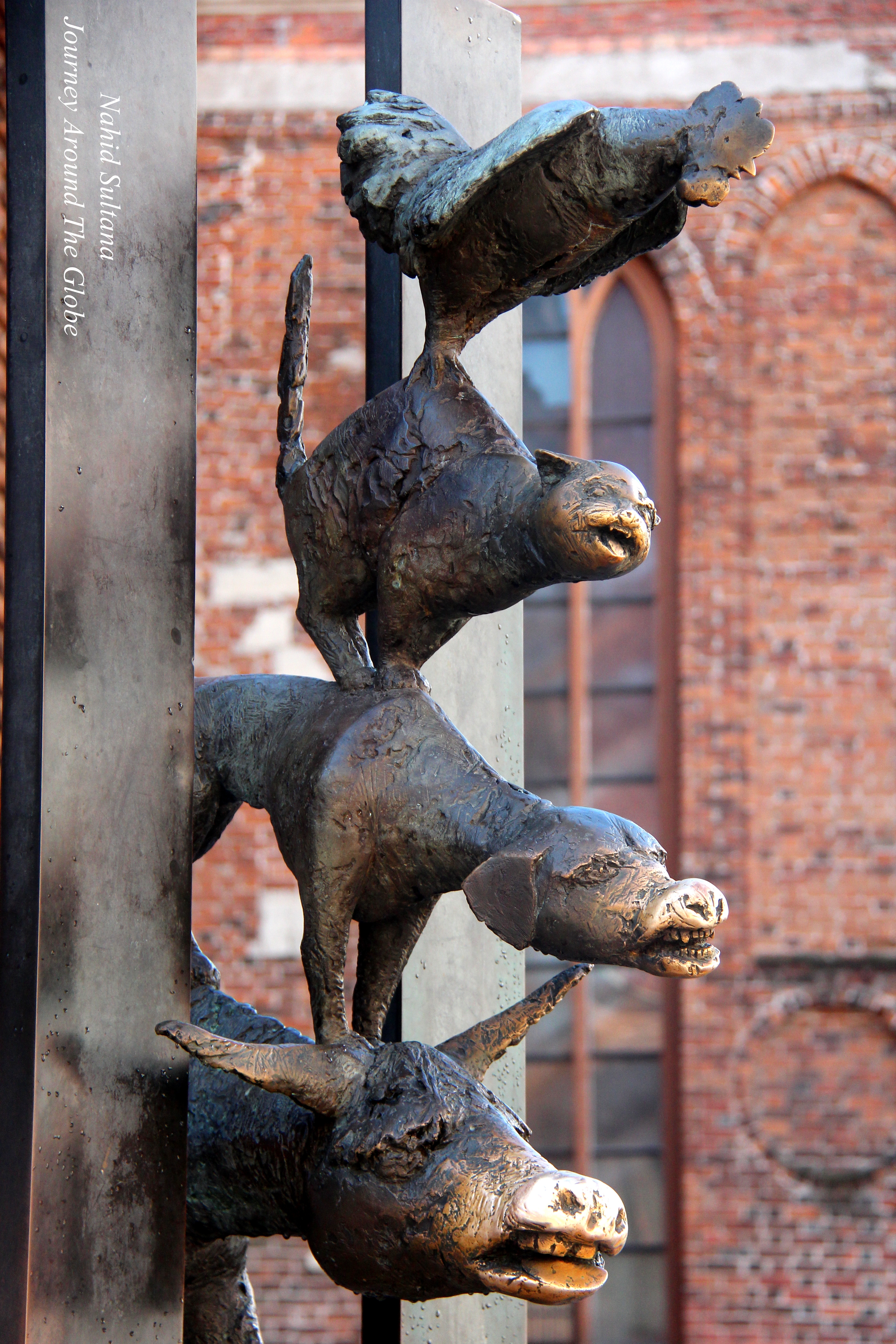
When you are done, get out of the church and go around to the back of the church where you can see a copy of Bremen Musicians (original one is in Bremen, Germany). Rub their noses and make a wish…IT WILL COME TRUE!!
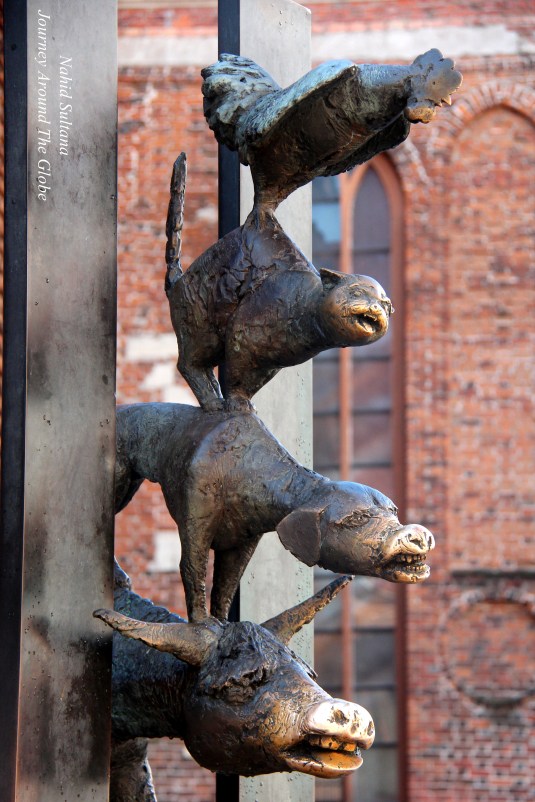
- Bremen Musicians at the back of St. Peter’s Church of Riga
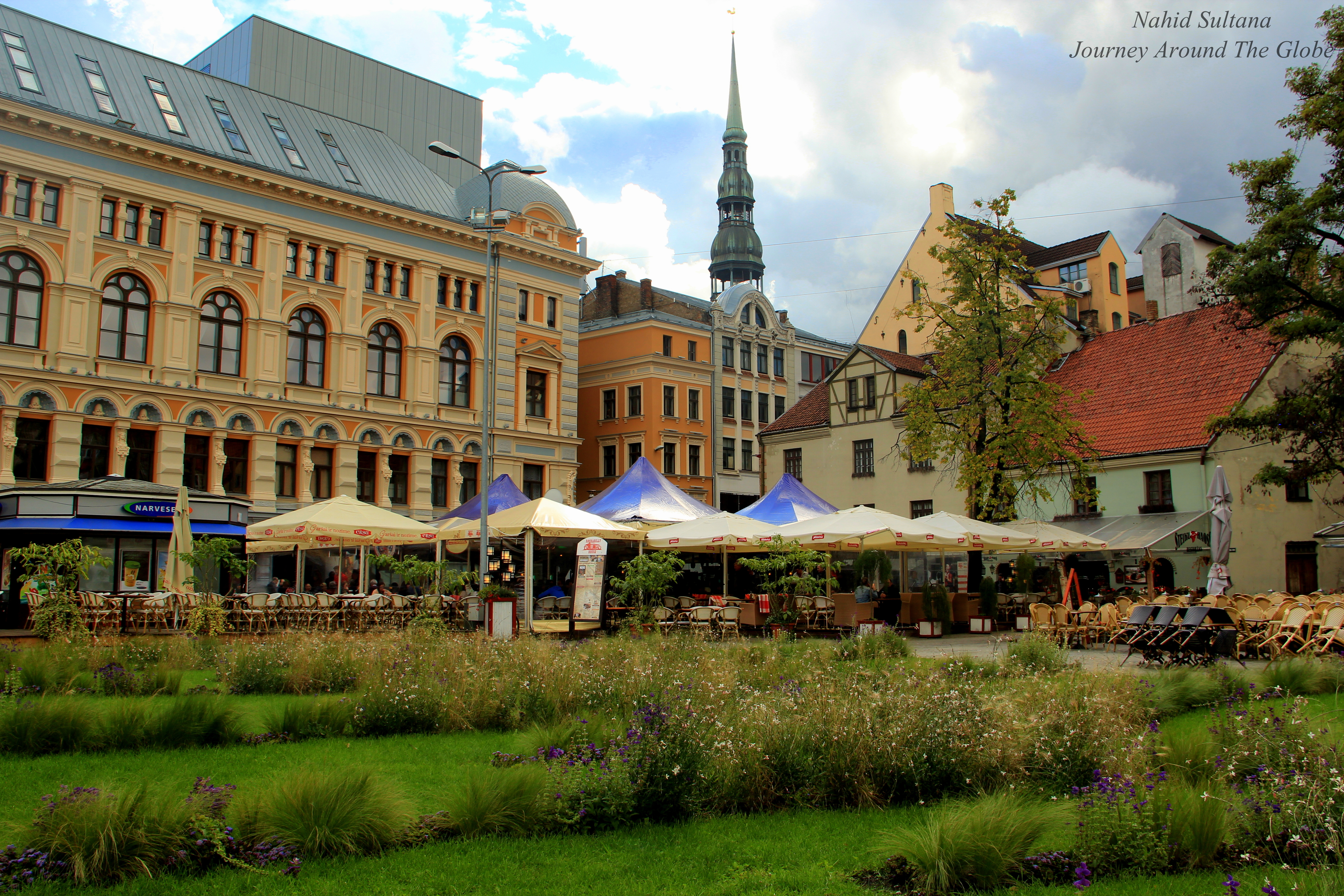
3) LIVU SQUARE, CAT HOUSE, and STONE HEAD: The Cat House situated in Livu Square is one of the symbols of the city. You can see a big black cat standing on top of an old building. Stone Head near the Cat House is a stone idol of ancient Livu tribes. The square is a nice hangout place with many outdoor and indoor restaurants. Don’t miss the beautiful guild houses here.
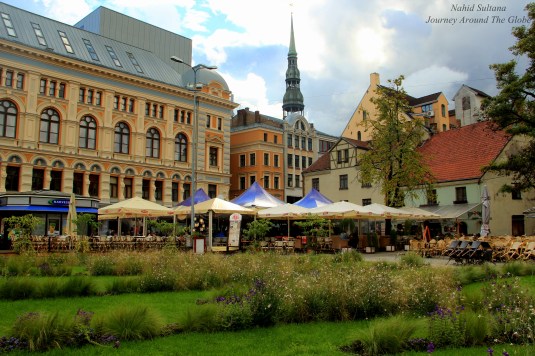
- Livu Square in Riga old town
4) RIGA DOME or DOME CATHEDRAL: This is the Archbishop’s Cathedral of the Latvian Evangelical Lutheran Church and a parish church. The construction begun in early 13th century in the Romanesque style. One of the ancient parts of the church is the choir. In 18th century, the east pediment and the dome of the church was rebuilt in Baroque style. The cathedral houses one of the largest organs in the world with 6768 organ pipes. But interior is very simple with old floor, some big stained-glass windows, and a simple altar. There is a small museum near the cloister with cathedrals old ruins and old decors.
We were there on a Saturday and the square in front of the cathedral was very lively with tons of local vendors and their customers. You can find fresh produce, small trinkets, hand-woven winter accessories, and many other unique items for a reasonable price here. It is 2 LS to enter.
5) ORTHODOX CATHEDRAL: Only a few steps away from the old town, this typical Russian style orthodox cathedral is a beautiful place to get a taste of architecture from the Russian era. It was erected during the rule of Soviets. Inside and outside are both eye-catching. Onion-domes adorns the exterior while many colorful fresco make the interior very gorgeous. Like other Russian churches we’ve seen so far, this also doesn’t have any sitting arrangements or a nave but does have a dazzling altar. It is an active worship place. There is no entrance fee but we weren’t allowed to take any picture inside.
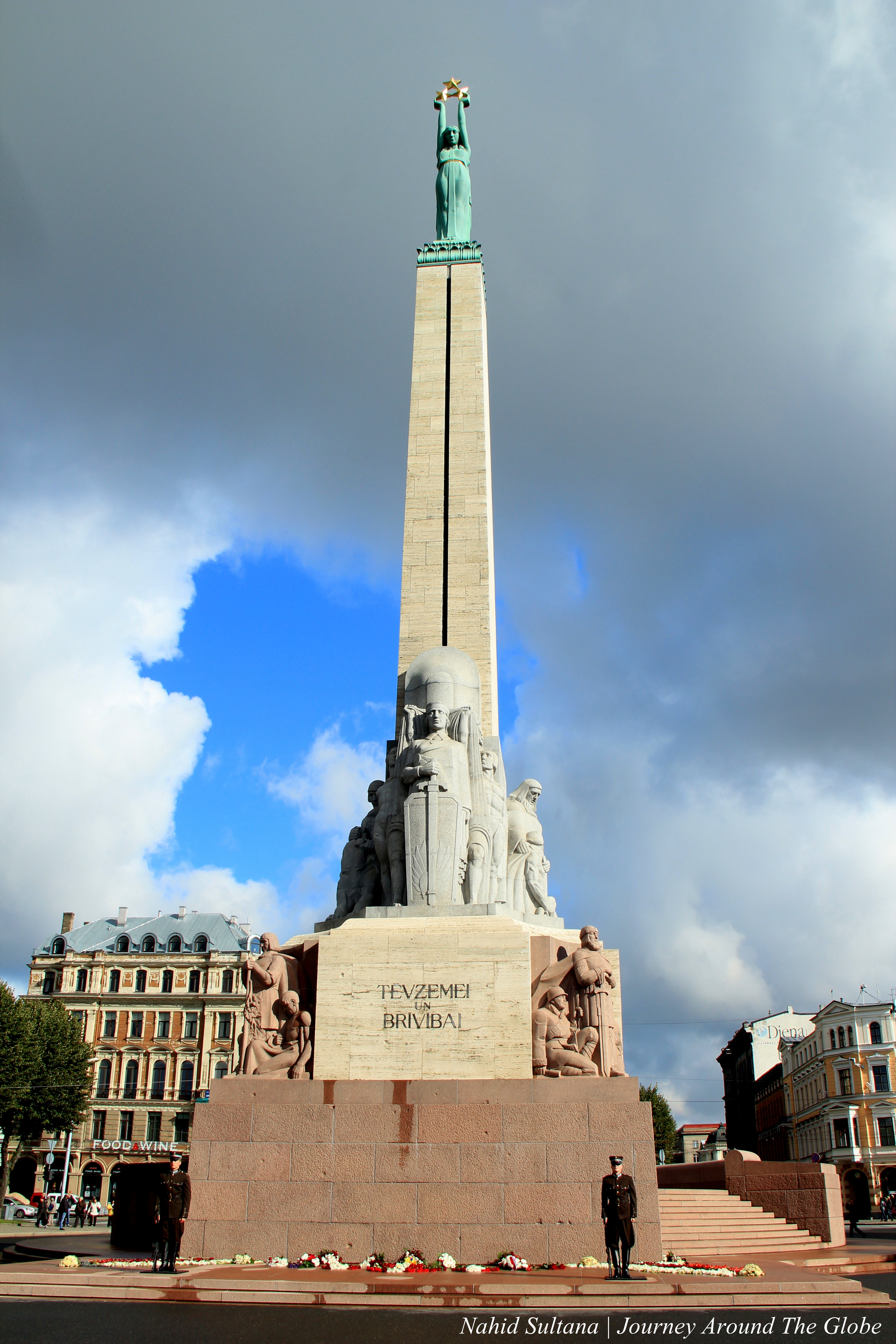
6) MONUMENT of FREEDOM: Built in 1935, this symbolizes Latvia’s freedom and independence. There are two guards at the base of this 42 meter monument and some laying flowers showing respects to the heroes who lost their lives during the Latvian War of Independence from 1918 – 1920. Although we didn’t attend it, there is a small change of guard ceremony couple times a day.
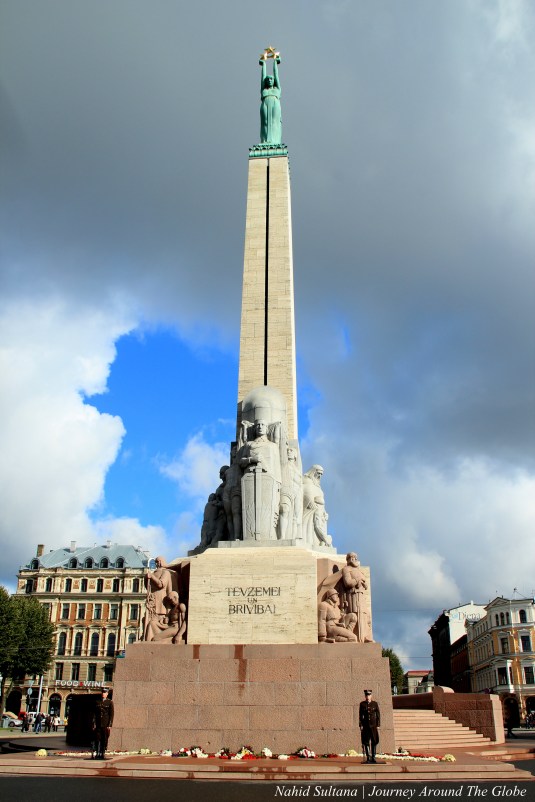
- Monument of Freedom, a symbol of independence
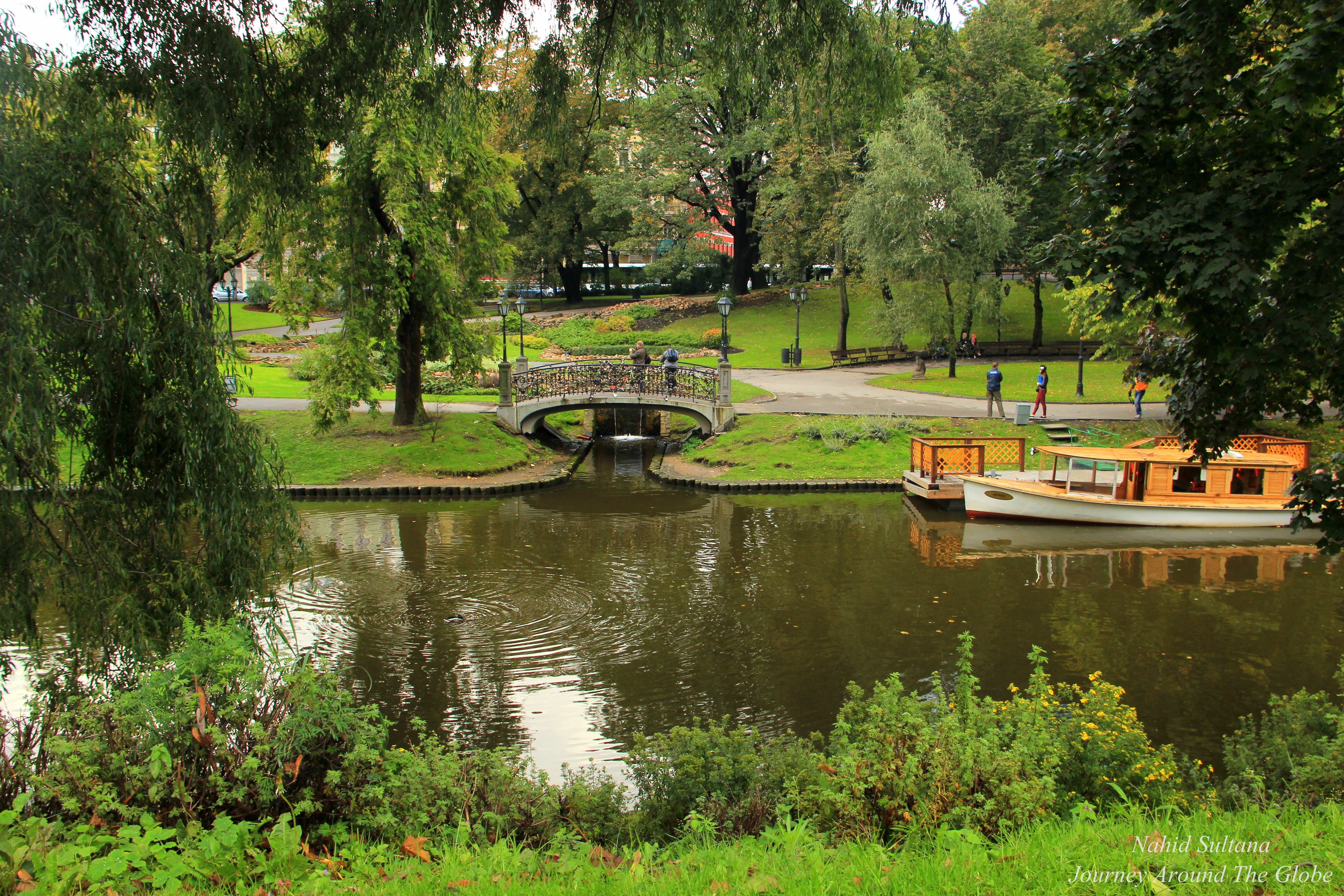
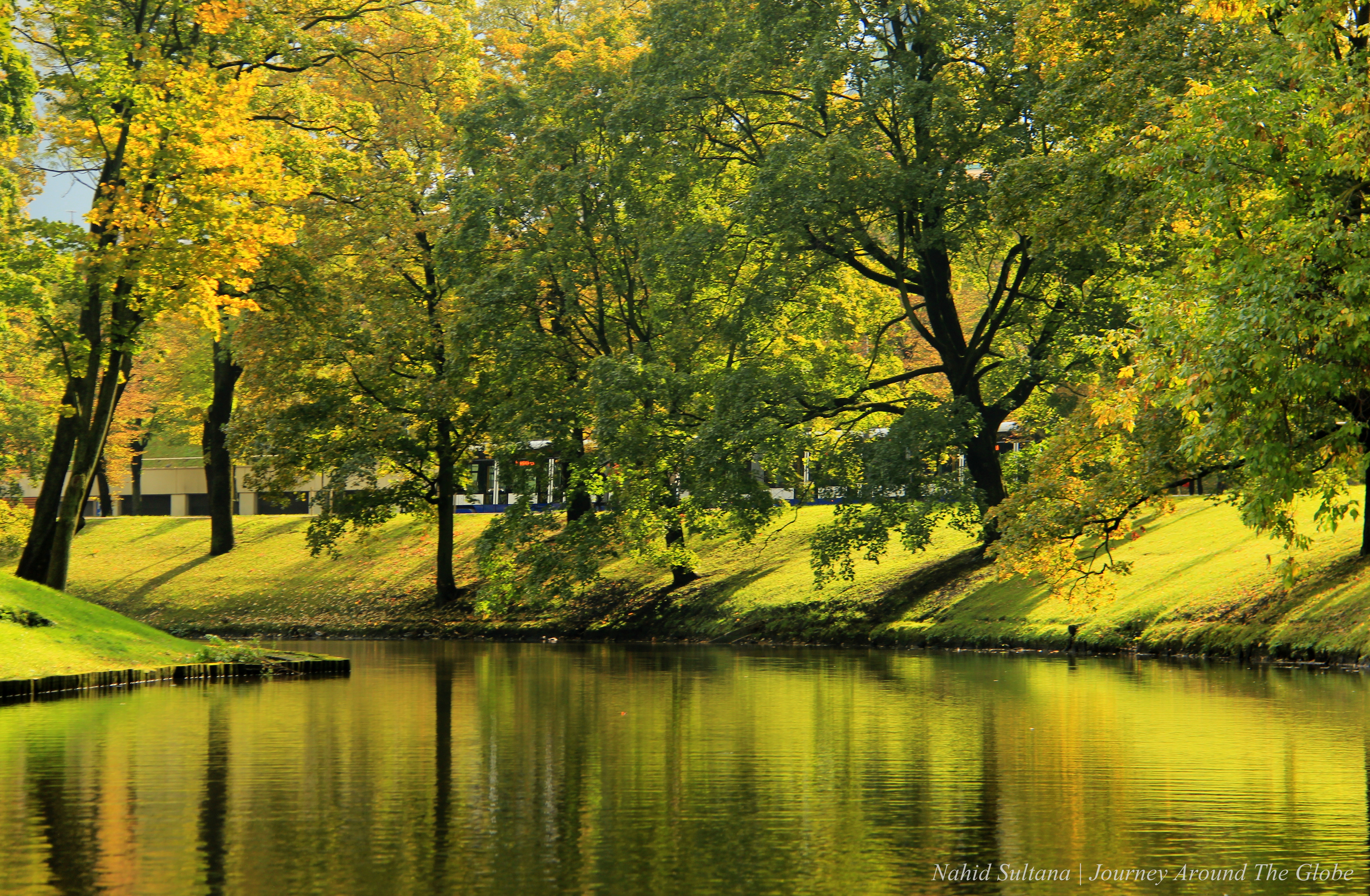
7) BOAT TOUR from ESPLANADE PARK: Only a block away from Monument of Freedom is the lush green Esplanade Park. It was almost fall in Riga during our visit and the trees just started to change colors. Patches of yellow, orange, and green looked simply spectacular. This is the best place to find yourself surrounded by nature in the heart of Riga. Don’t miss the Bridge of Love where hundreds of love-locks are hanging, symbolizing immortal love of young couples and newly weds.
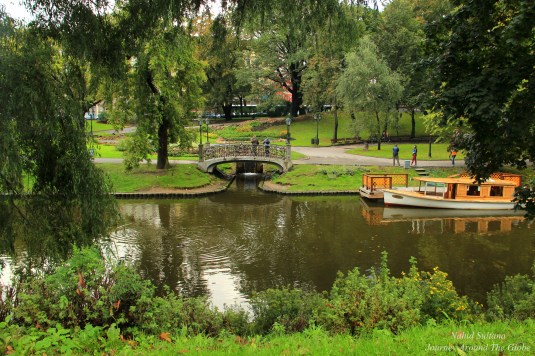
- Bridge of Love in Esplanade Park of Riga
From here we took a boat tour to get out from the city life for a short time. We started from a small natural canal, rode under many small bridges and tall trees, and ended up in Daugava River. You can get a nice view of city’s skyline with churches tall spires, some stylish bridges (like Stone Bridge), and cool buildings. It was 5 LS per person for an hour tour. It’s available from 9am – 8pm in every 25 minutes.
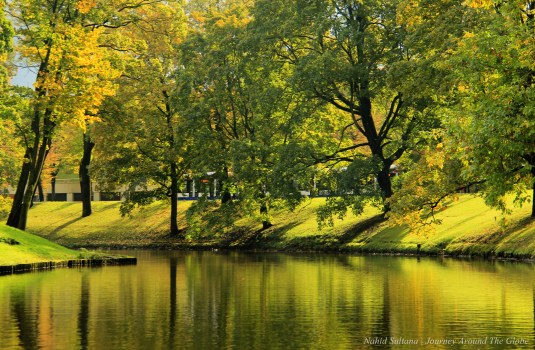
- Almost fall in Riga, Latvia
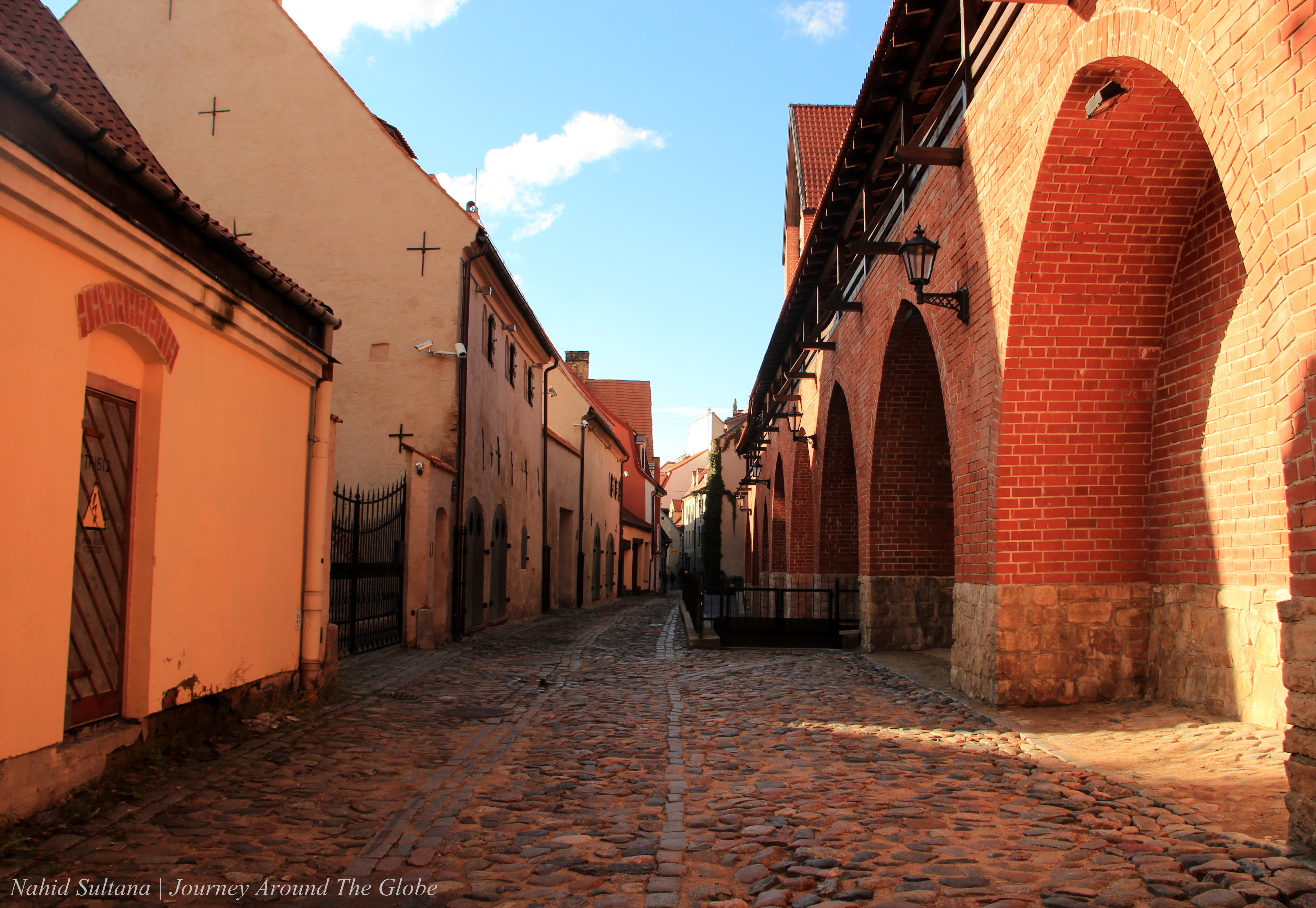
8) SWEDISH GATE and CITY WALL: Swedish Gate is the only medieval town gate that has been preserved in its original form. The long stretch of remaining city wall is directly opposite of St. Jacob’s Barrack.
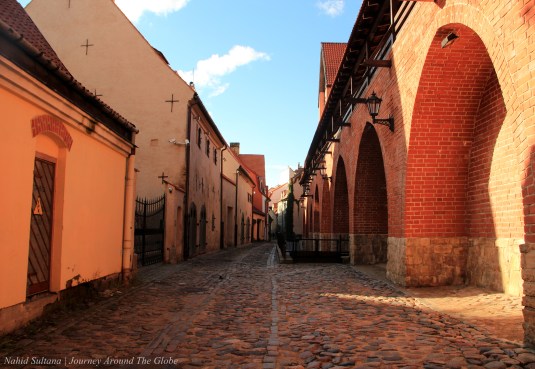
- Old city wall of Riga
9) BIG CHRISTOPHER: His name is connected with one of the legends about the beginnings of the town. The original wooden statue from 1683 is located in Museum of History of Riga and Navigation. This one is a copy which was made in 1997. The legend goes something like this (copied from the info board).
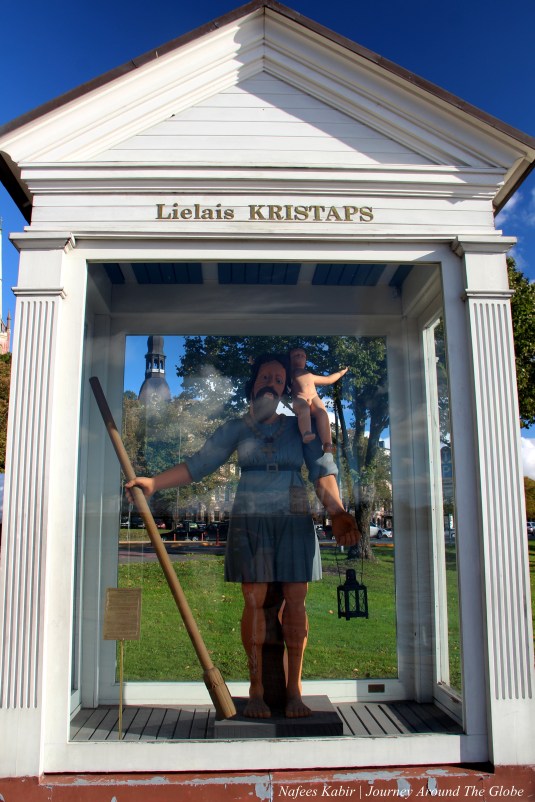
- The legendary Big Christopher in Riga
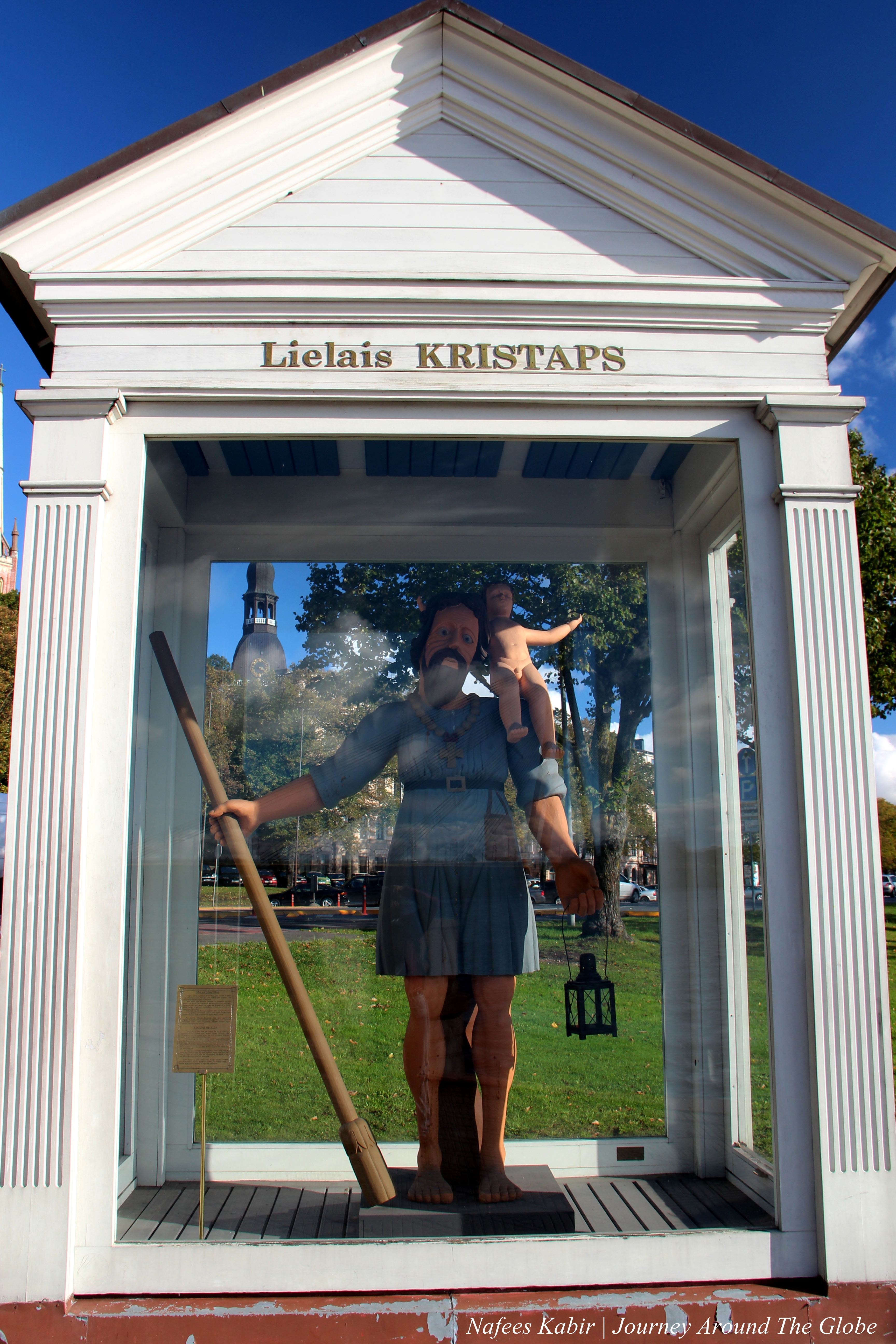
“Once upon a time, long ago, before the city of Riga was founded, a tall strong man named Lielais Kristaps (Big Christopher) carried people across the River Daugava. Kristaps lived in a cabin on right bank of the river.
While sleeping one night, Kristaps heard a small child crying on the other side of the river. He immediately rose to fetch the child, and began to carry it across the river. Half way across, the child became so heavy that Kristaps barely managed to get to the other bank. Exhausted, he laid the child down to sleep in his shack, and fell asleep himself.
The following morning Kristaps awoke to find a large chest of gold coins where the child had been, upon his death, the money was used to find the city of Riga, the first building was built on the spot where Kristaps cabin had once stood.”
10) RIGA CASTLE: Located at the edge of old town right by river Daugava, Riga Castle in Castle Square is the residence of the President of Latvia.
Related articles
- Enjoy Sunny Beach Holidays in Riga! (beijinggallery.wordpress.com)
- VERDI’S 200th ANNIVERSARY CELEBRATION: “Nabucco” at the Latvian National Opera (Riga) (operamylove.wordpress.com)
- The India connection (therealriga.wordpress.com)
- Padlocks for eternal love in Riga’s parks! (seraina202.wordpress.com)
- Riga – Rising from a dark past (eagirl.wordpress.com)
- Nature, Nature, and More Nature (lemonlover796.wordpress.com)
- A snap shot of Riga, part 2 (wanderingteamug.wordpress.com)
Share this:

Bits and Pieces on Tallinn, Estonia
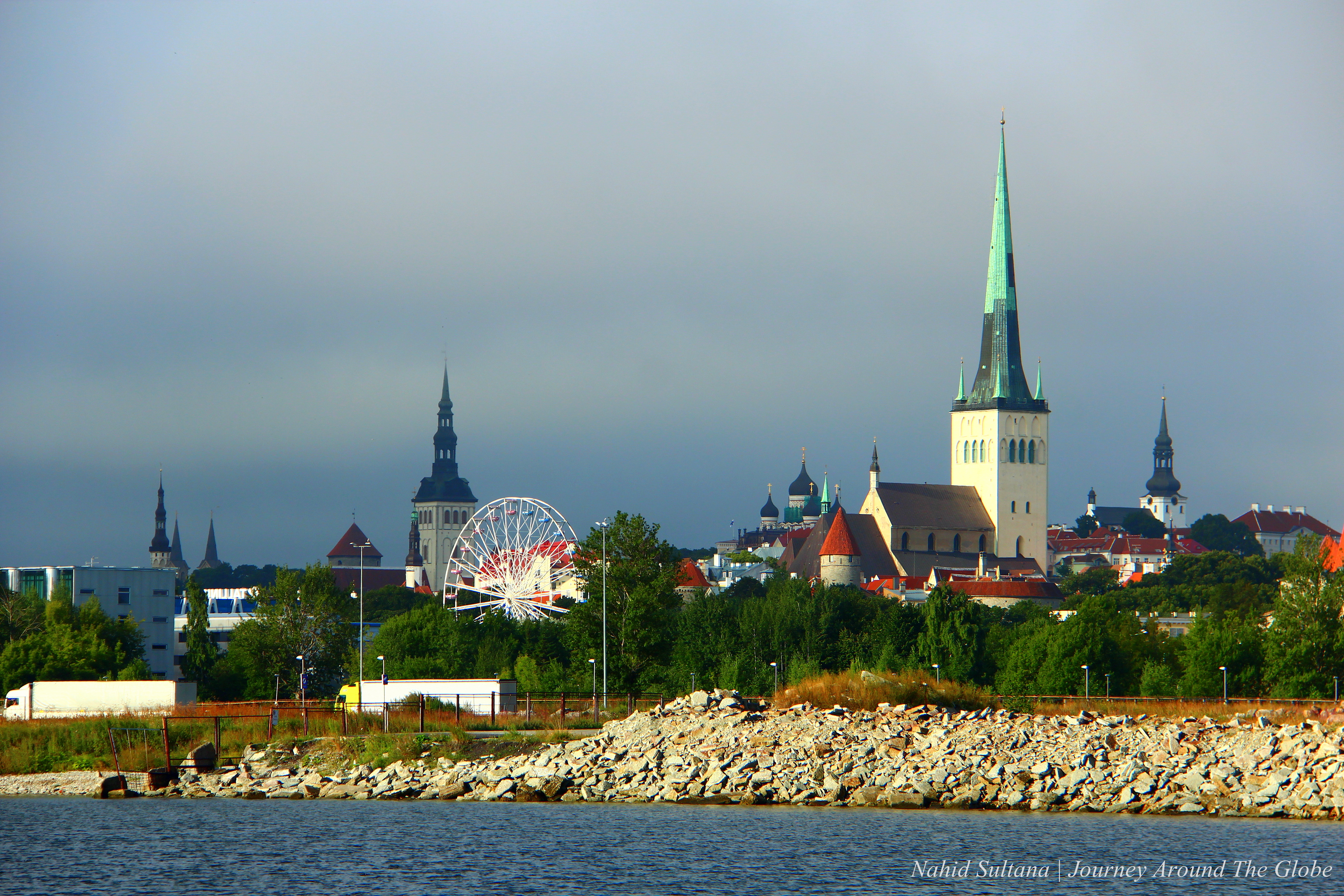
TALLINN, ESTONIA: Tallinn is the capital of Estonia which was formerly part of Soviets before 1991. Development of this city started since 13th century. This was one of the most important business trading place of Northern Europe in the 16th century. Unfortunately, fate of Estonia changed hands many times in the history from Danish to Swedish to Russian Empire to Nazi Germany, and back to Soviets until 1991, when it declared its independence without any bloodshed. Since Russian Empire ruled this country for 250 years and Soviet ruled it for 50 years, there are lots of Russian influence here and there. But this is the most successful country among the former Soviet countries.
- Looking over Tallinn from our port
Just briefly on the city, Tallinn has over 400,000 inhabitants. Official language of Estonia is Estonian which is very similar to Finnish. Our guide was saying Estonia is the least religious country in the world according to BBC. And Helsinki being so close to the city, less than 50 miles away, many Finnish people come here as day trippers.
Our guide here mentioned few times how their economy, culture, and modernization boomed after they broke away from USSR. We went to Tallinn after visiting St. Petersburg in Russia. The picture here is completely different from what we saw in St. Petersburg. Tall glassy and shiny cube buildings and corporate offices are part of this bustling metropolitan city. Companies like Skype and Hotmail originated from Estonia. People are very hi-tech here with modern perception. FYI, almost the whole city of Tallinn has free Wi-Fi! The locals will tell you that it was a blessing for them that they are no longer part of Soviet.
Saying above, Tallinn still kept its Middle Age alluring and pleasing atmosphere in the old part of it. This section developed somewhere in the 15th century. It is astonishingly very well-preserved and very energetic. It is enlisted in UNESCO World Heritage Site for significant historical background. By the way, this is where marzipan was invented…though I really didn’t find anything with it in the stores.
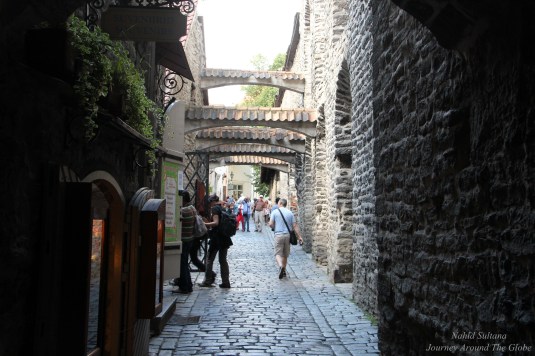
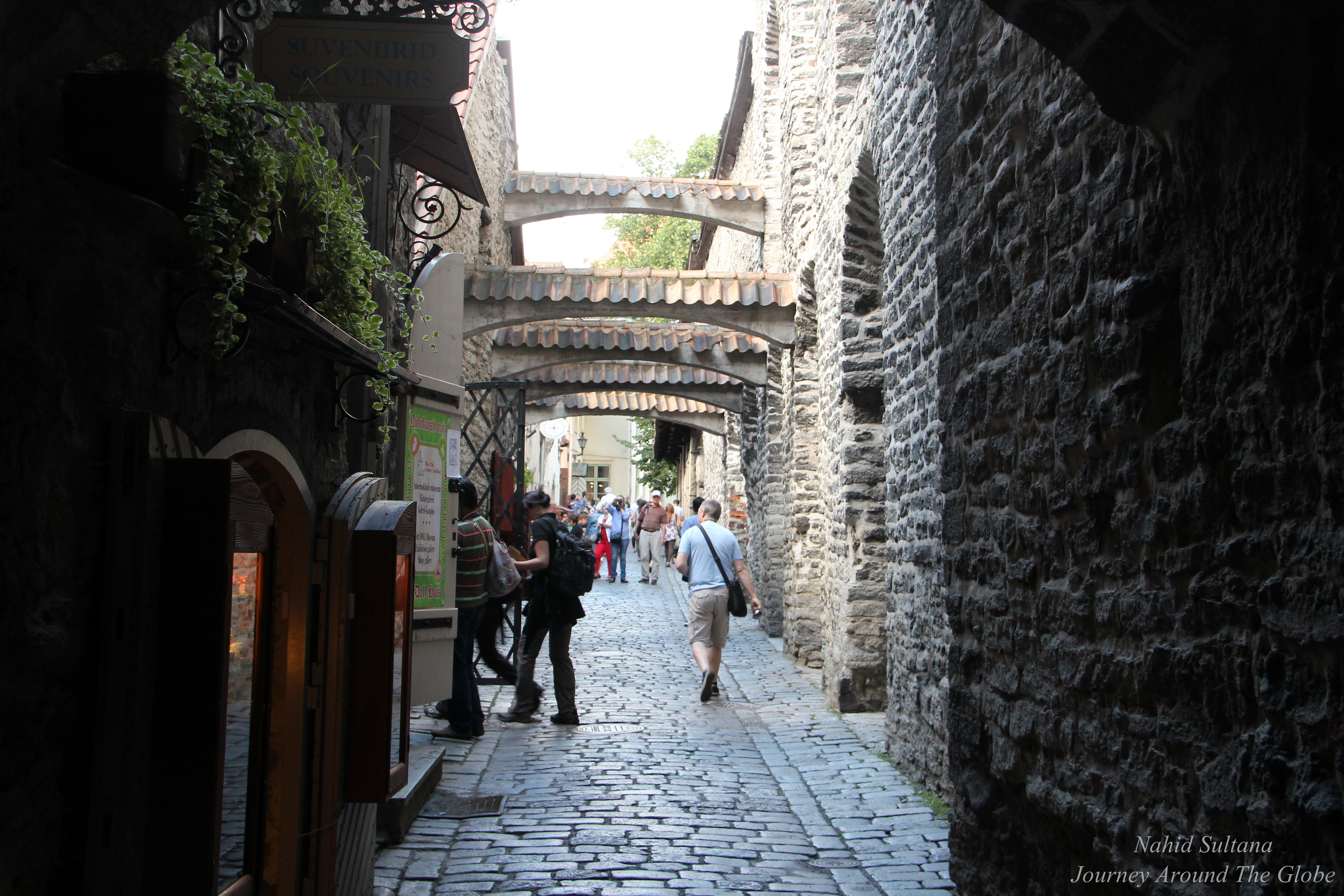
- A small cobble-stoned passage in Lower Town of Tallinn
We toured around Tallinn with a guide from SPB Tour in a small group. My husband booked a package online thru this company for Warnemunde/Rostock, St. Petersburg, and Tallinn. The whole thing cost about $1200 (+ 15% tips to the guide) for all four of us.
TIME of TRAVEL: Tallinn was penultimate stop in our 12-day Baltic Cruise that we took in August of 2013. We drove to Calais, France from Belgium, took ferry across English Channel, and started sailing from Dover, England. It was a bit chilly and started to rain really badly towards the end of our day in Tallinn. But most of the day was very sunny and pleasant. Not sure where that rain popped up all of a sudden!
EATING and SHOPPING: Although we didn’t really try any Estonian food…we had some quick sandwiches from McDonald for lunch. But there were many lovely restaurants with outdoor sitting everywhere in the old town, especially in Lower Town. Food here supposed to be very close to German and Russian.
Juniper tree coasters and boxes are very common in Tallinn, just like Helsinki…may be a common Baltic thing. Amber is also very popular and we saw cluster of amber jewelry and décor stores in Upper Town. But our guide in Tallinn told us that these ambers are not really anything Estonian origin. For amber, Riga (in Latvia) is the way to go. You can also get very nice and warm winter coats, sweaters, and accessories here… may not be cheap but definitely good quality. Estonian white chocolate with blueberry was another unique thing that our guide mentioned…but I couldn’t find it anywhere. Lower Town, especially near Viru Gate, is loaded with many indoor stores and outdoor vendors. My husband bought me a nice thick knee-high sweater from one of the stores near our port terminal.
PLACES WE’VE VISITED: We got the chance to see Tallinn only for few hours. After visiting St. Petersburg, I really had very less expectation from Tallinn. But boy was I wrong. And our tour guide lady made this visit even more knowledgeable and fun.
Medieval Tallinn is divided into two parts – Upper and Lower. Our tour bus took us to the Toompea hill (The Upper Town) first and it ended at Viru Gate in the Lower Town. If I could spare some extra time, I would love to go to Ex-KGB Headquarter. This is where they interrogated and tortured suspects. Although this is not open to the public now, but you can go and visit its exterior. Medieval old town of Tallinn is very compact and best to be explored on foot.
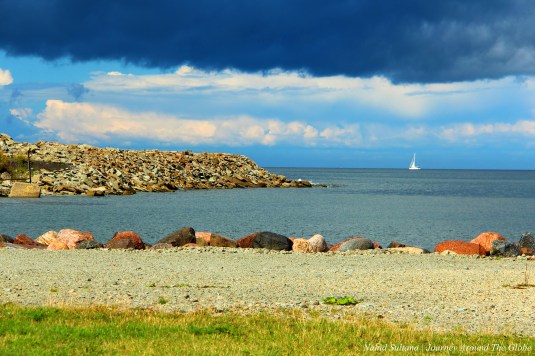
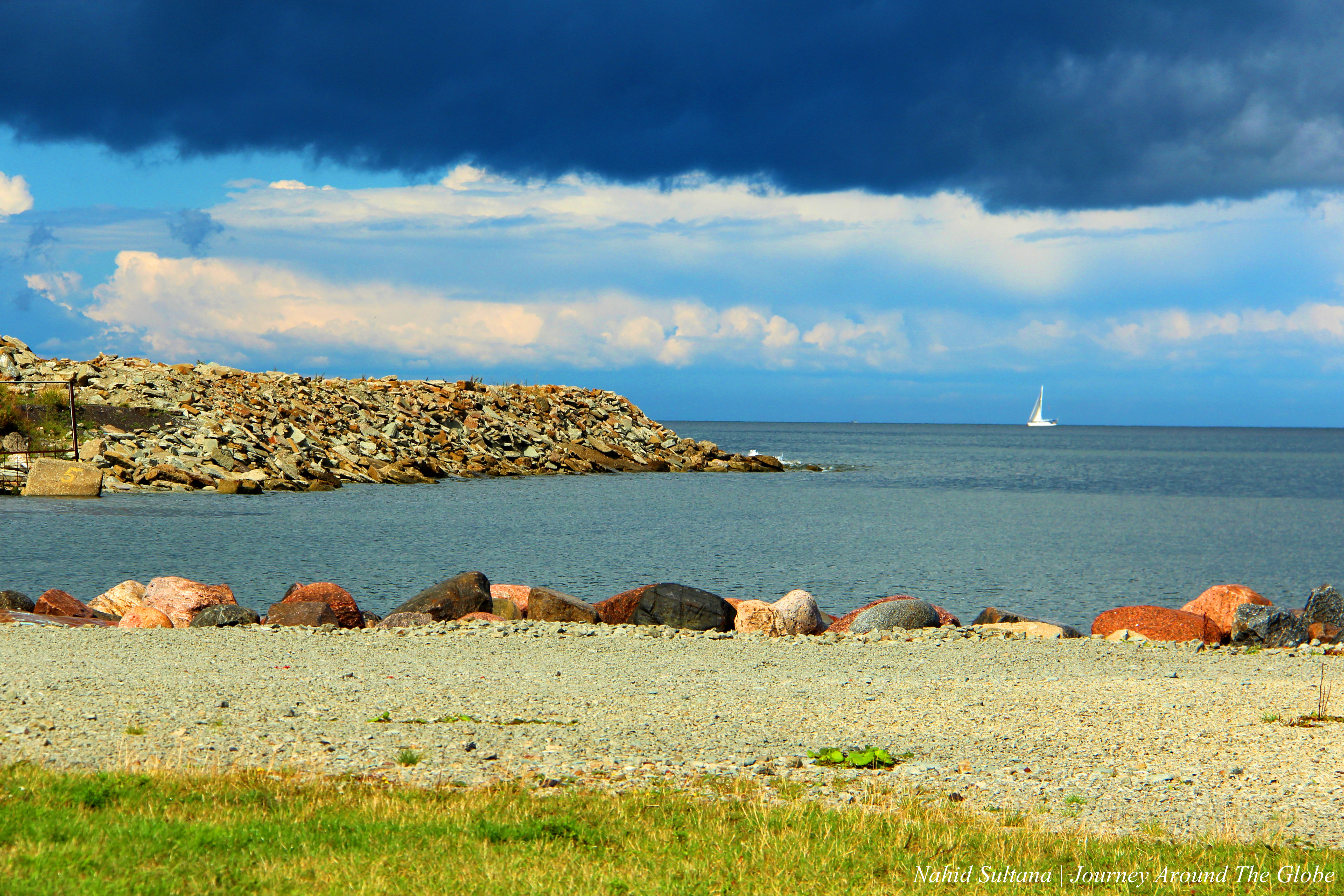
- Port of Tallinn, Estonia – where our ship, Carnival Legend, docked
1) TOOPEA HILL or UPPER TOWN: About 60m above sea-level, Toompea Hill was once the historical heart of the city. This is where the Danes once made their castle in 1219. In 1710, the ownership of Toompea was changed from Swedish to Russian Tsar Empire. Upper town used to be the dwelling place for rich and wealthy citizens of Old Tallinn. Cobbled streets filled with medieval houses and alleyways make this place a medieval charm. Upper Town can give you a beautiful panoramic view of the Lower Town, its towers, steeples, and picturesque red-tiled roofs.
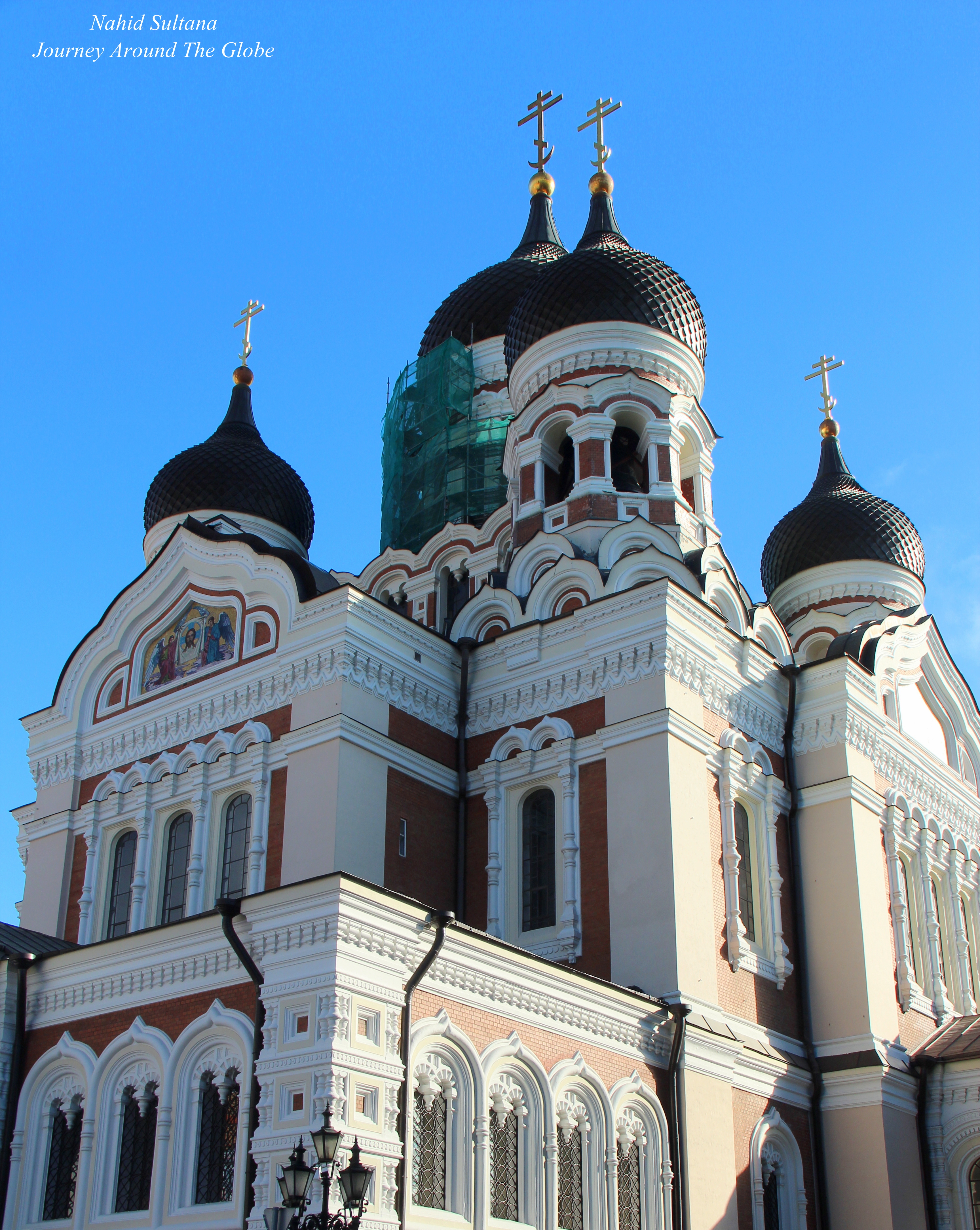
a) ALEXANDER NEVSKY CATHEDRAL: Our tour started with this impressive Russian Orthodox Cathedral of Alexander Nevsky. This is the oldest public building to have been erected in Toompea. It is a Russian Orthodox Church and therefore doesn’t really resemble Estonia’s typical local architecture. But gotta love the onion domes on the top. Built in the style of the churches of 17th century Moscow, its interior is full of pretty mosaics. Like any other Russian Orthodox churches, it doesn’t have any seating arrangements or a nave. But it has a gorgeous altar with portraits of saints. The present façade was constructed fairly recently in 1922. If I can remember correctly, I think our guide mentioned that it is still maintained by the churches of Moscow. It’s free to enter but since this is still an active church we weren’t allowed to take any picture inside.
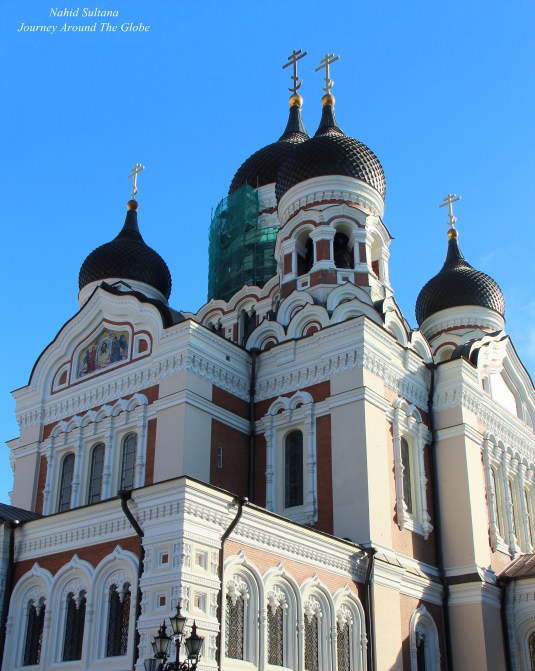
- Alexander Nevsky Cathedral in Tallinn, Estonia – a Russian Orthodox Church with onion-domes
b) PARLIAMENT (RIIGIKOGU) and OLD TOWERS: Right opposite of Alexander Nevsky Cathedral is Estonian Parliament. It’s a pretty pink building which once used to be a castle, Toompea Castle, in the 13th century. Two towers out of the original four still remain.
c) DOME CHURCH or CATHEDRAL of ST. MARY THE VIRGIN: Through the cobble-stoned lanes of Upper Town we reached a Lutheran Church (originally a Catholic church), known as Dome Church. It’s the oldest church in Tallinn, originally built 780 years ago but the present building was constructed in 1224 by the Danes. It was changed to Baroque style in the 18th century. It is the only one of Tallinn’s medieval churches that is still active. Many local famous people were buried inside the church. In the medieval time many noble families had their own coat of arms and 107 coat of arms of some of such noble Estonian families still hang on the walls of this place. 2 euros to enter the church. In front of the church is the crossing point of eight streets in the middle of Toompea Hill.
d) THE VIEWING PLATFORMS: The Viewing Platform is one of the places tourist ought to visit in Tallinn. Most of the old town can be monitored from the edge of the Toompea Hill where the platform is located. You can see the Baltic, red-tiled roofs, some important landmarks, old city wall, and defense towers from up above. This beautiful and romantic place makes you wonder about the ancient time and legends lost in centuries.
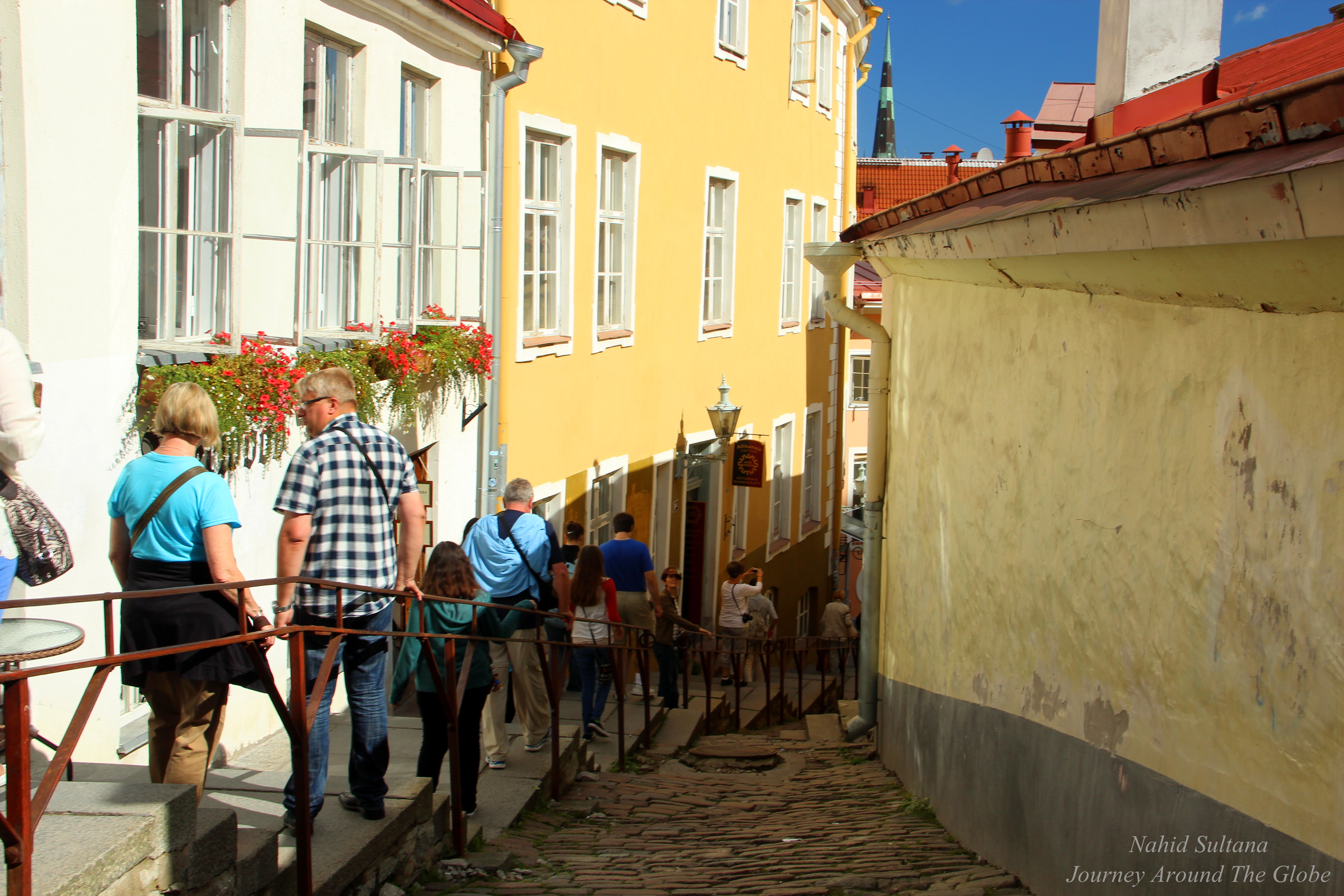
2) LOWER TOWN: After we were done with Upper Town, it was time to go down. We descended from Toompea Hill to visit the sites in Lower Town, the central intersection of the town’s network of cobble-stoned streets and alleys. There are two ways to go down to Lower Town from Toompea Hill. An old wall separates these two places. We took the short leg, which runs parallel to long leg but has steps and is much steeper. Lower Town spreads out from foot of the hill and is still protected by the remnants of a city wall. Lower town used to be the place for common men, merchants and shoppers in Old Tallinn. There was a distinct division between the Upper and the Lower Town back then and hence the wall with gates were constructed to separate the two parts. This gate used to be closed after sundown back in the old days.
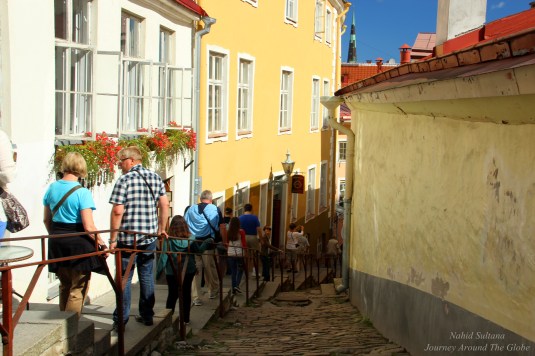
- A small passageway with stairs that connects Upper Town and Lower Town of Tallinn in Estonia
a) ST. NICHOLAS CHURCH: German merchants started construction of this church in 1238 dedicating it to St. Nicholas – protector of businessmen and sailors. It’s not a working church, just a museum now. We didn’t go inside it, but this old building sure was marvelous.
b) CAT’S WELL: The legend about this well in Lower Town goes that a horrible spirit dwelling at the bottom of this well. It was said that the spirit would flood the entire city if an occasional sacrifice in the form of dead cats was not brought.
c) OLD MARKET PLACE: This was once used to be the main square during medieval time in Lower Town for the common man. A ring of cafes and shops now make this a cool place to hang out and do a little shopping.
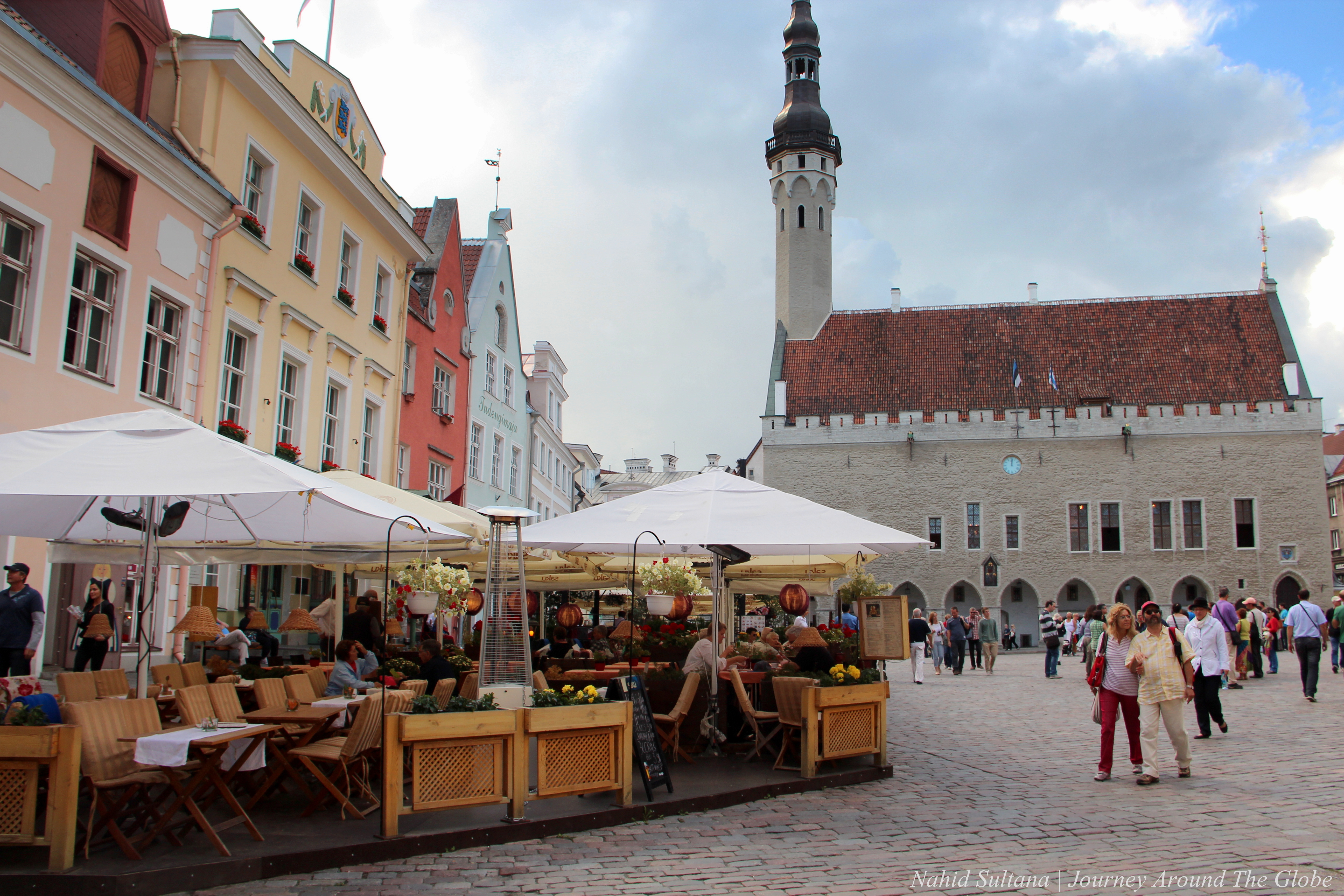
d) TOWN HALL SQUARE or RAEKOJA PLATS: This was the heart of medieval Tallinn and still maintains that charm. It’s been a meeting place for the local for centuries. This is where people met for town meetings, celebrations, and receptions in the old days. It’s a big square with many old buildings, cafes, and shops. Also, interestingly, The Town Pharmacy of Tallinn the oldest working pharmacy in Europe from 1422 is also located here.
Town Hall Square is dominated by the town hall (of course) from 1371, which looked bit like a church to us with its spire. The present stone façade is from the 15th century and this is the only Gothic style town hall in whole Europe. We got a glimpse at this impressive architecture just from outside. It now houses Tallinn City museum and is open to the tourists.
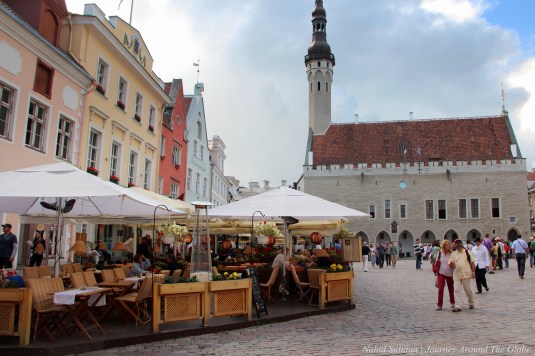
- Old town hall of Tallinn in RAEKOJA PLATS
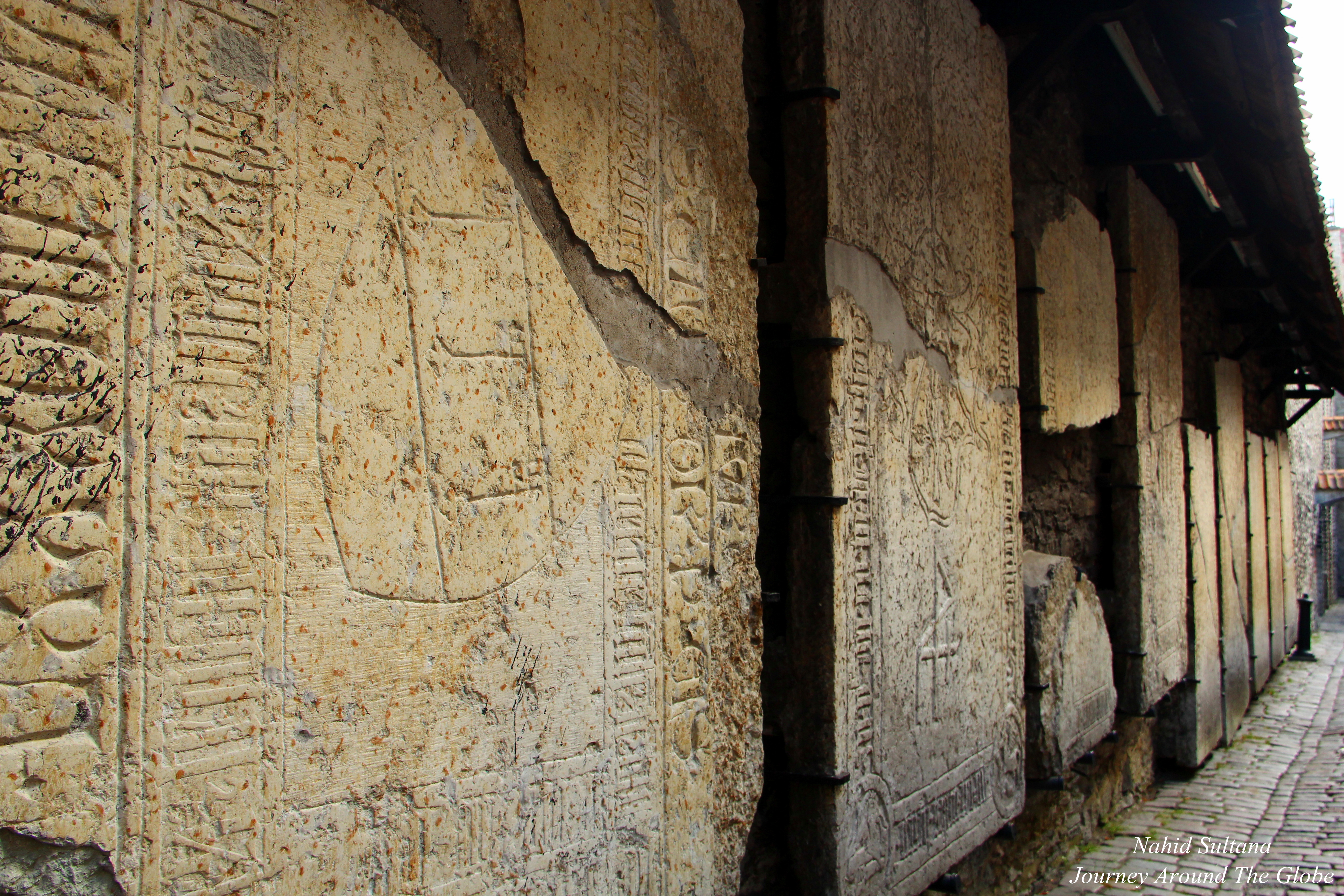
e) ST CATHERINE’S PASSAGE: This romantic old passage, connecting two streets, hosts many private artists’ studios. Along with that we saw a collection of 14th and 15th century medieval tombstones, located next to the old Dominican monastery. These tombstones are from the Church of St. Catherine of Alexandria and in the mid-19th century the best preserved ones were displayed on the wall. Don’t miss this passage when in Tallinn, it was very charismatic walking thru that narrow alley with small bridges on top of our heads.
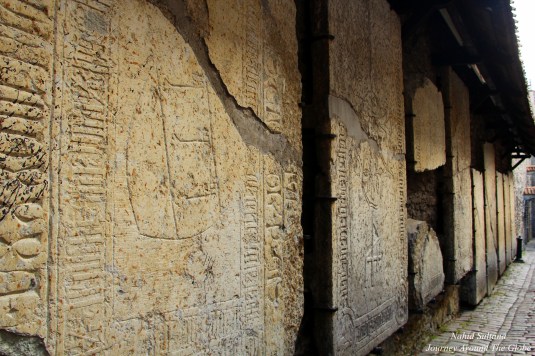
- Medieval tombstones on the walls of St. Catherine’s Passage in Tallinn, Estonia
f) ST. OLAV’S CHURCH and TOWER: This church with its high spire was built when Tallinn was still a small port city.
g) VIRU GATE: Our tour ended visiting the fortifying walls and towers that surround the city and which in the 16th century made Tallinn’s defense system one of the best and most powerful in Northern Europe. This is one of the two front gates of Tallinn left today from the 15th century. It has been repeatedly built throughout the centuries. But the adjacent buildings are relatively newer from the 19th century. Visitors can walk on the rampart of this wall for better view for 3 euros.
Related articles
- Tallinn Photo album http://photographsroom.wordpress.com/category/travel/baltics/tallinn/
- A Daytrip to Tallinn (lukislinn12.wordpress.com)
- My first month in Estonia (notamybutami.wordpress.com)
- Tallinn Architecture Biennale (halfdayahead.wordpress.com)
- #PHAforever – Long Study Tour to Tallinn and Helsinki (alltheprettydanes.wordpress.com)
- Toompea, Tallinn – An Afternoon in June (lenaweesar.wordpress.com)
- Tallinn: The city by the sea (tanushreez.wordpress.com)
Share this:

Revisiting Gent
GENT, BELGIUM: Gent is a true gem of Belgium, a postcard city, and as magical as forget-me-nots. It’s a glamorous city with dozens of picture-perfect sites. It was one of the richest and most powerful cities in Europe during the Middle Ages. I know most of the people go to Brussels and Brugge when visiting Belgium. But if you visit Gent, you would say Brugge is just OK…seriously, Gent has hundreds of tourists but it’s not as commercialized as Brugge or Brussels.
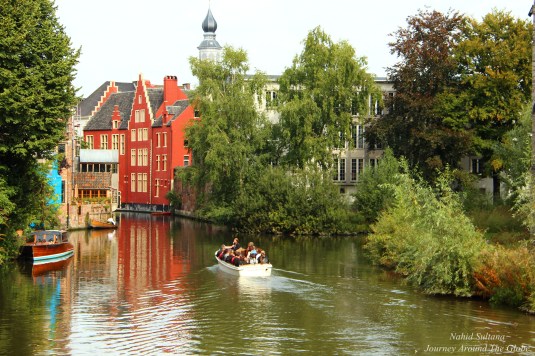
- Historic district of Gent, Belgium
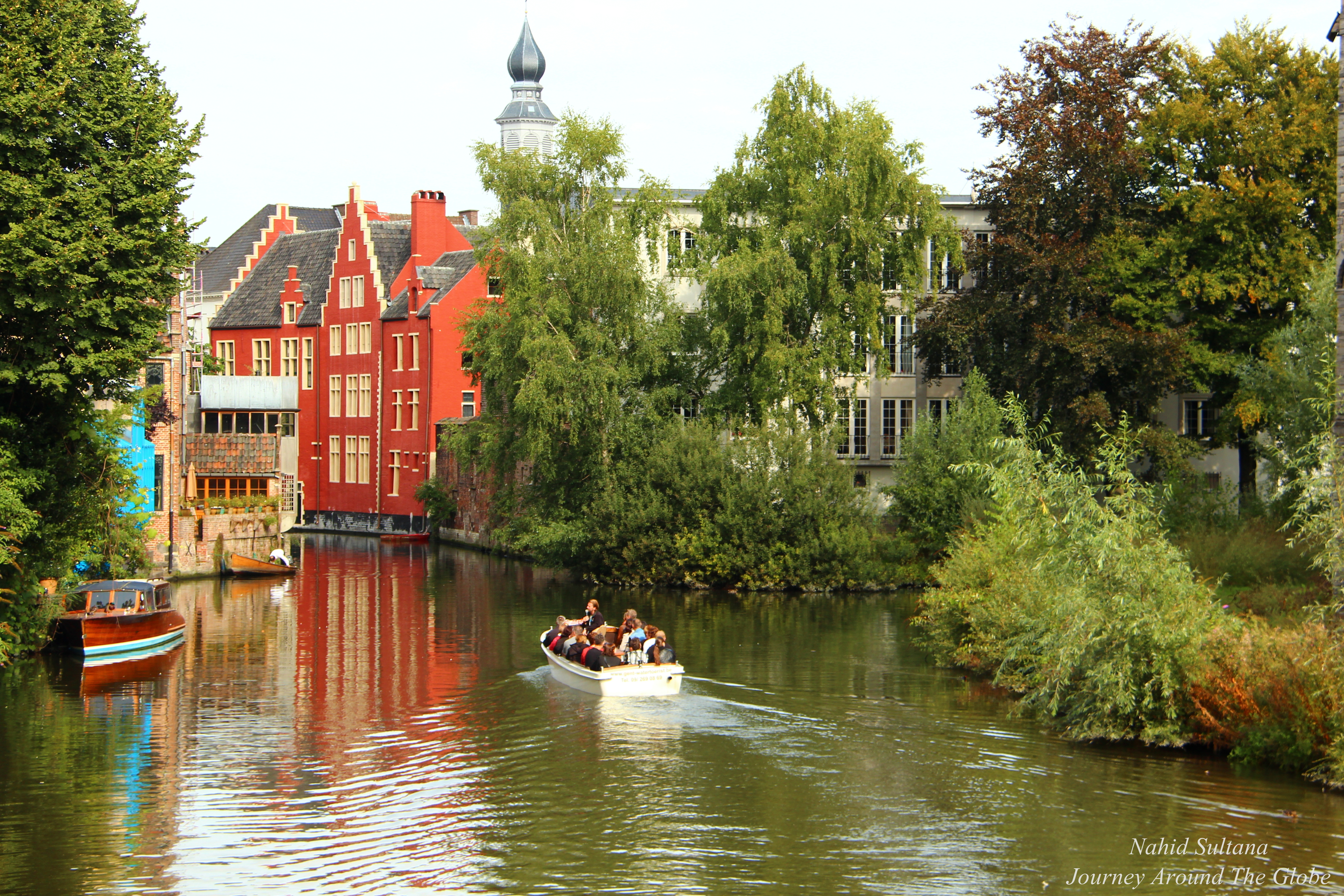
Gent is less than an hour drive from Brussels. You can make a quick day trip from the capial, but I would highly recommend to stay one night if you want to visit all the beautiful churches, do some shopping, admire medieval history, and etc. This is an old city with modern touch. If you have an extra day while you are in Europe (Brussels to be exact), don’t miss this opportunity to visit Gent. If I have to compare Gent with Brugge, I would say Gent has a lot more scenic places to offer than Brugge.
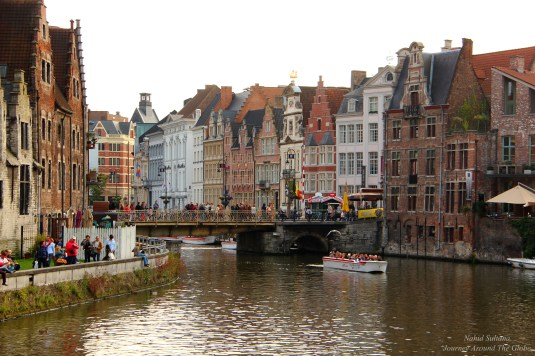
- Gent, Belgium – a city full of canals
TIME of TRAVEL: First time we drove to Gent from Tervuren was on a nice Sunday afternoon on August 21, 2011. The weather was amazingly nice. But couldn’t really accomplish much except for taking a boat tour. But the second time we were there was with a family visiting us from Portland in September of 2013. We reached there early and had whole day to enjoy the best city of Belgium…yes, after my second visit to Gent…I declare this to be the best city of Belgium (of course in my opinion, Brugge comes after Gent).
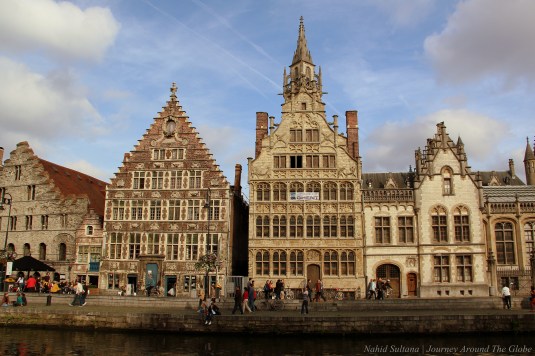
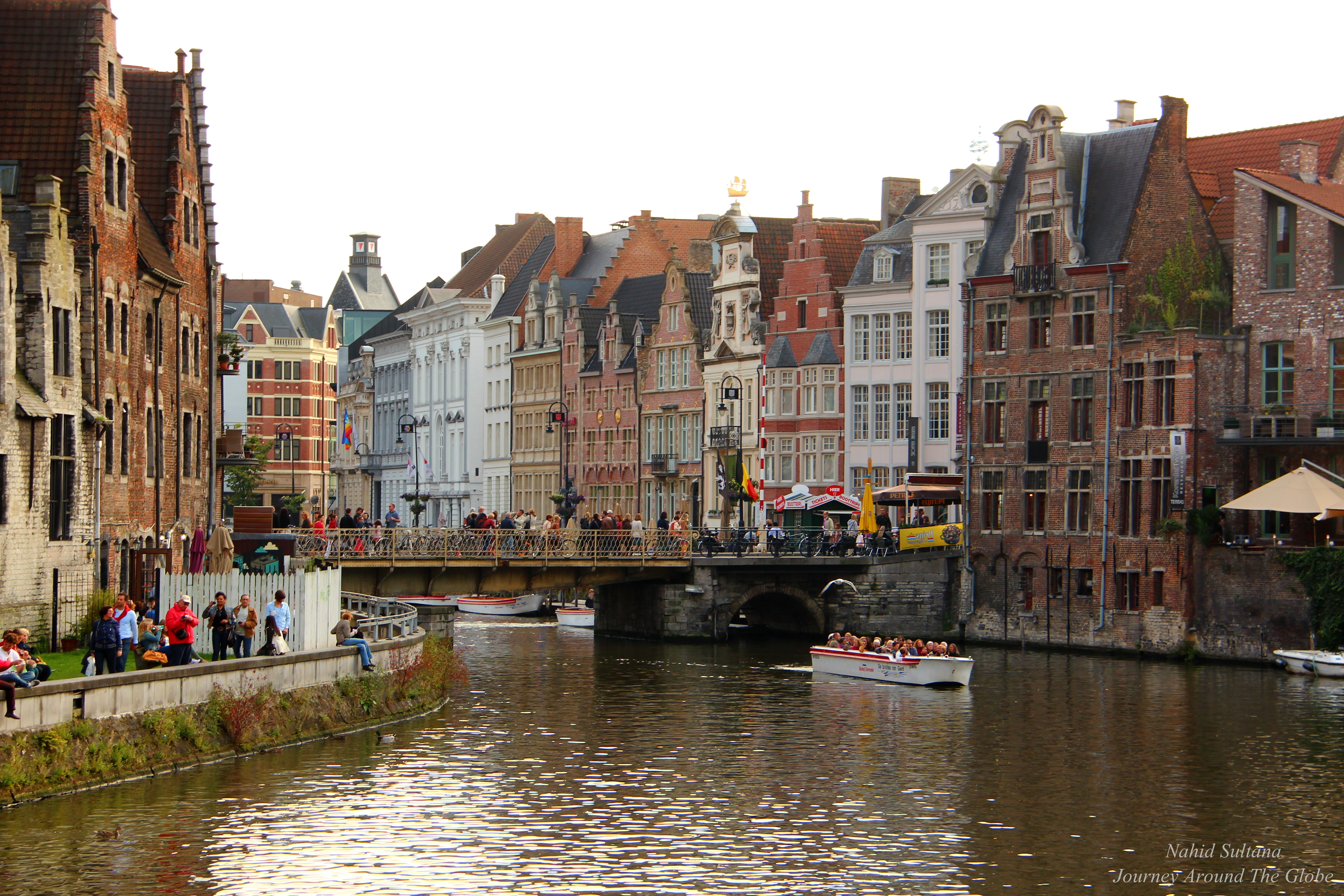
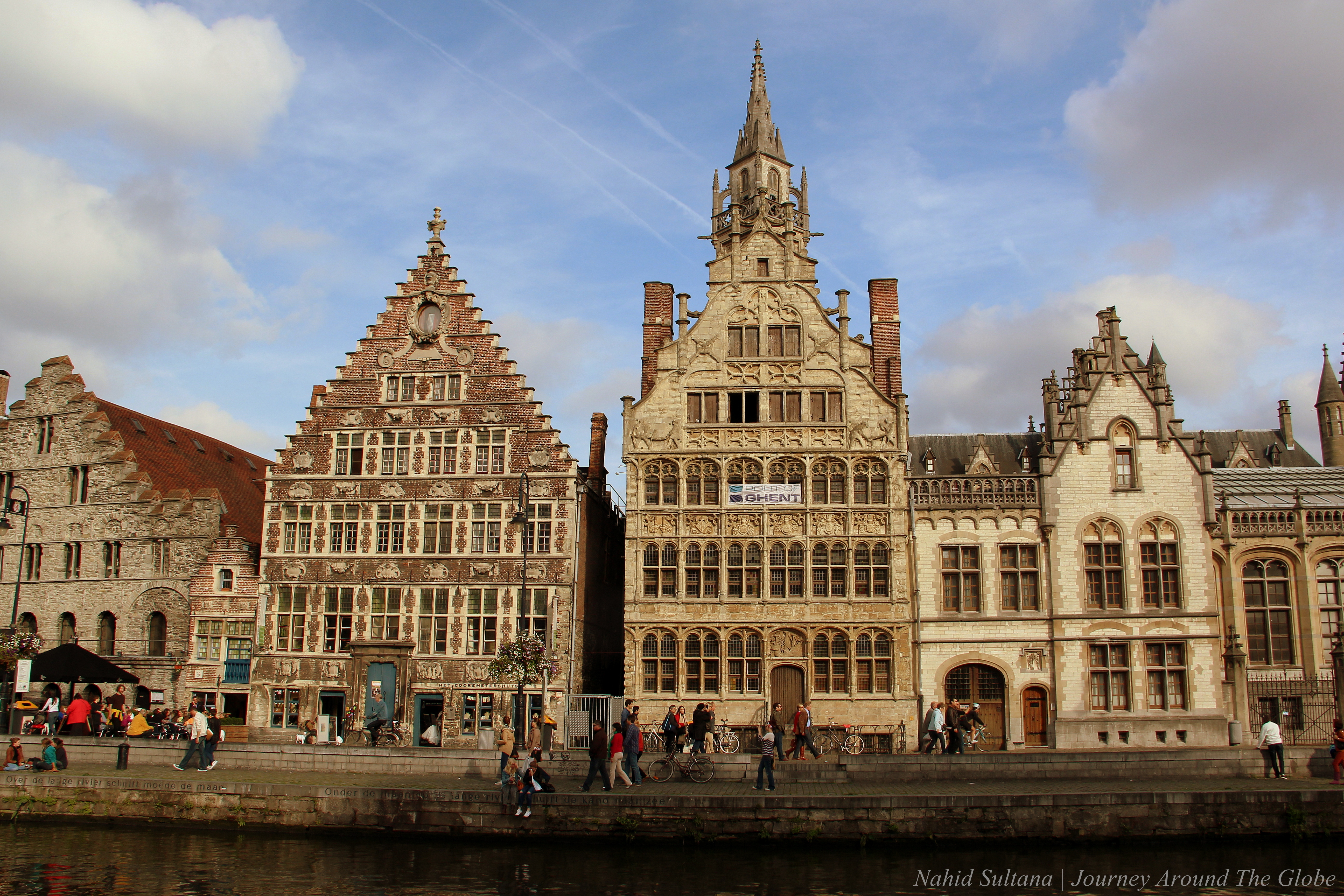
- Medieval and historical buildings of Graslei in Gent, Belgium
PLACES WE’VE VISITED: Boat ride thru the canal or taking a walk in the old city…both are fantastic way to enjoy Gent and we did both. Boat ride costs 6.50 euros per person and they have English tour as well as Dutch, French, German, Italian, and Spanish. You will get a lot more interesting history of the city from the commentary of captain. All the main attractions are within walking distance and enjoyable. Inhale all the beauty Gent has to offer and relax; but keep your eyes open…don’t want to miss any beauty here.
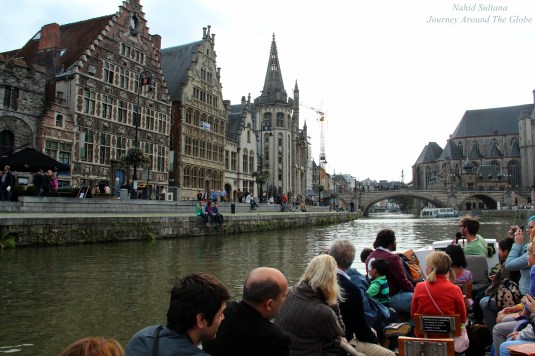
- Boat tour thru the canals of Gent
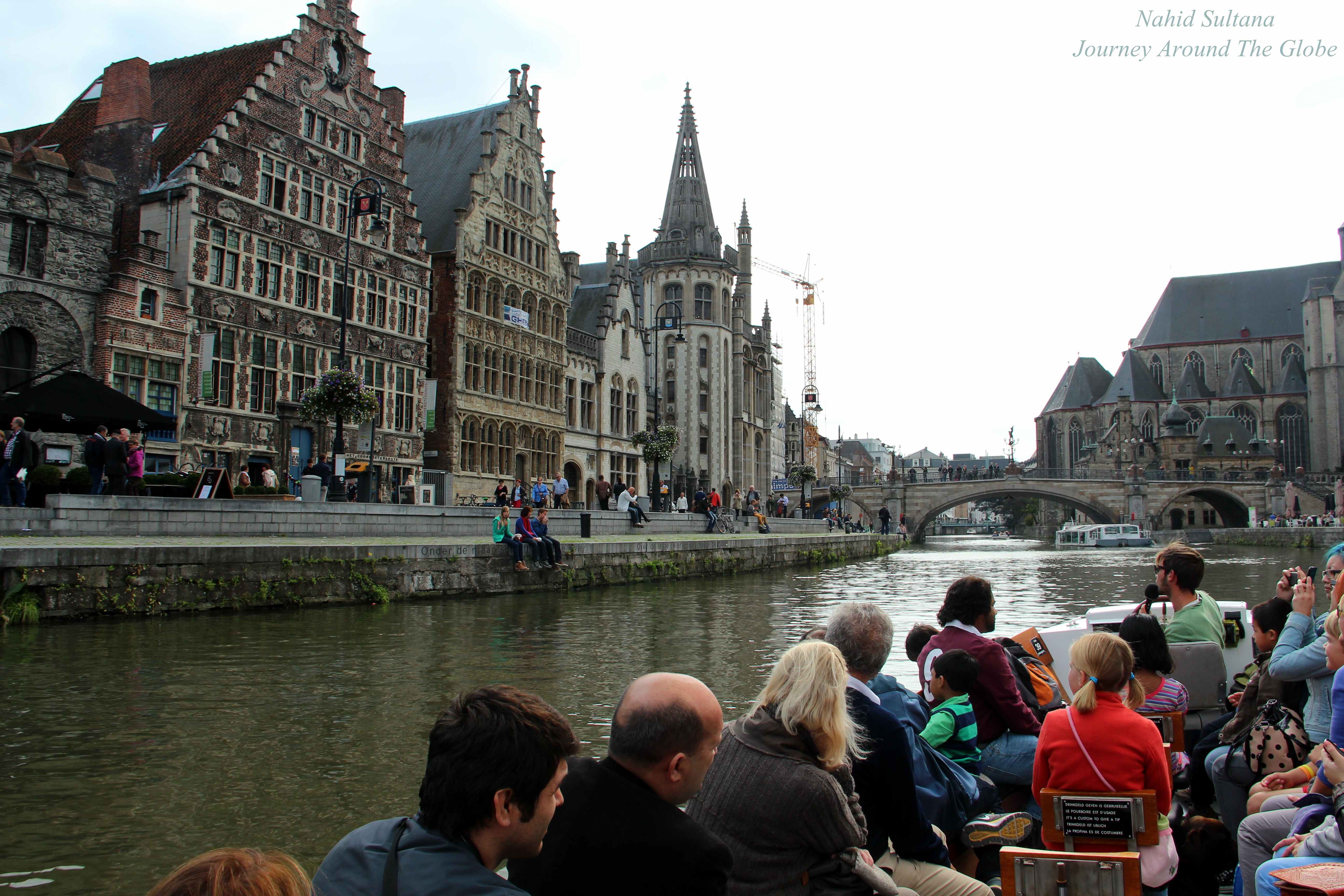
1) THE GRASLEI: This once used to be known as the most beautiful street in Europe which was a wheat trading center. Every house on the Graslei, on both sides of the canal, has its own history. The Roman style Guild houses there dates from 1200. There are some nice outdoor restaurants and boutique shops to spend some quality time with your friends and family. Together they form the story of the incredible blossoming of Gent’s economy during the Middle Ages. Today the activity is completely different: cheerful voices, talking, and laughing.
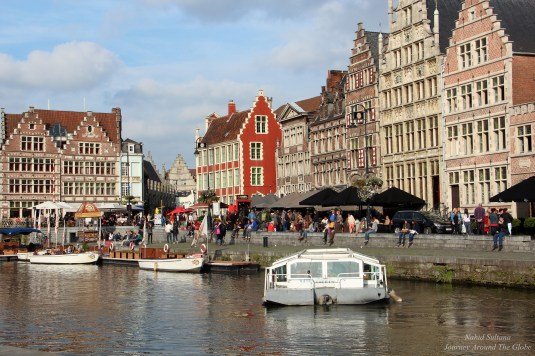
- The most charming district of Gent
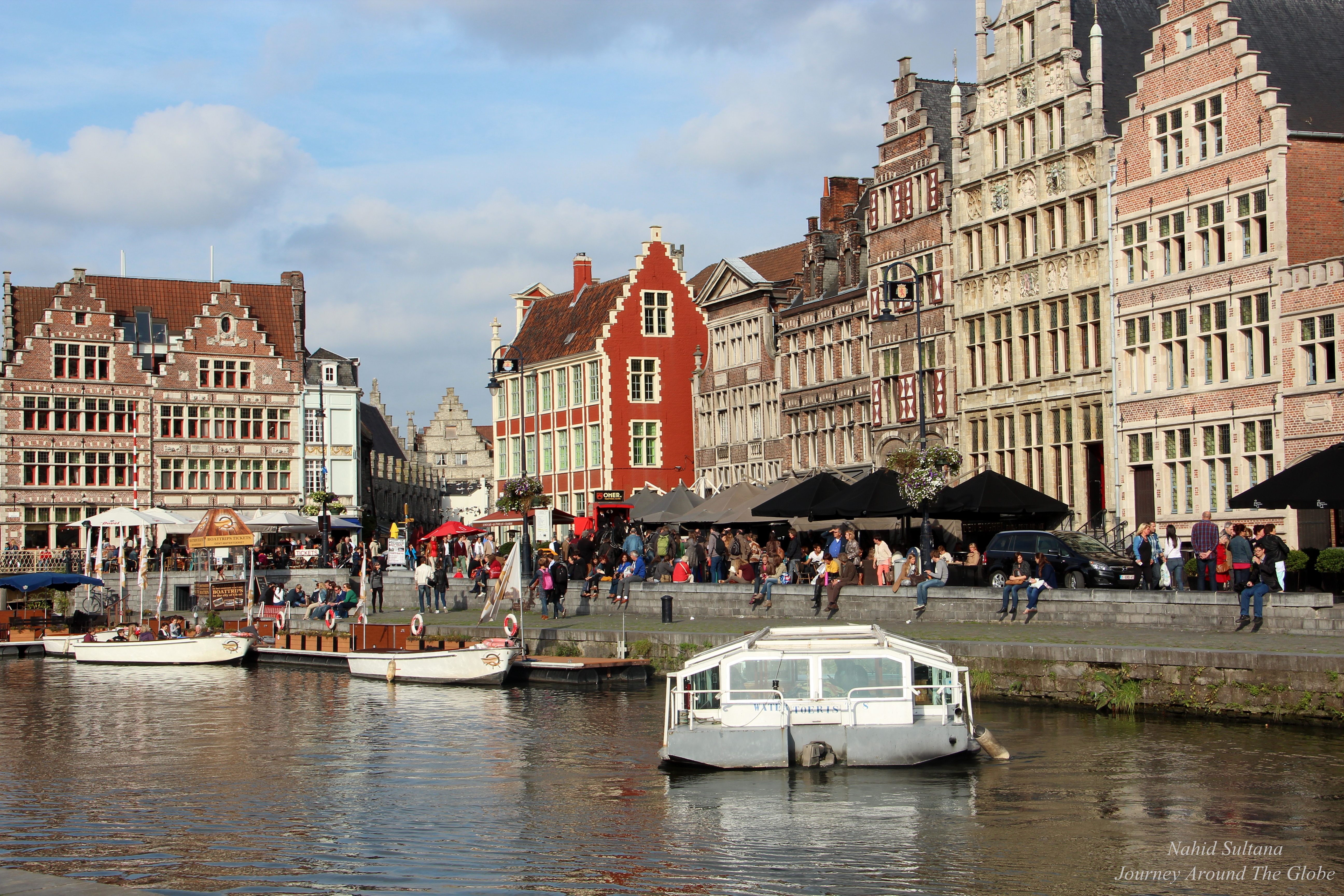
2) BELFRY: You can see these belfries in many Flanders cities, like Brugge. This belfry is one of the “three towers of Gent” in the city’s skyline. (two others are spire of St. Bavo‘s Cathedral and spire of St. Nicholas Church). It was built in 1313 and designated it as the city’s proudest symbol of independence. This is a UNESCO World Heritage Sites, like all the other ones in Belgium. We didn’t do it, but tourists can take elevator to go to the upper gallery to see the bells and an amazing 360 degree view. Adjacent to Belfry is the Brabant Gothic style building known as The Cloth Halls from 1425 AD and corner of it is an old jailer’s home and a prison.
3) ST. BAVO’S CATHEDRAL: Beside the belfry isThis is one of the most beautiful and historic landmark of Gent. This one and all other medieval architectures of churches here are remarkably well-preserved and restored. Make sure to inside those churches to appreciate their beauty inside and out.
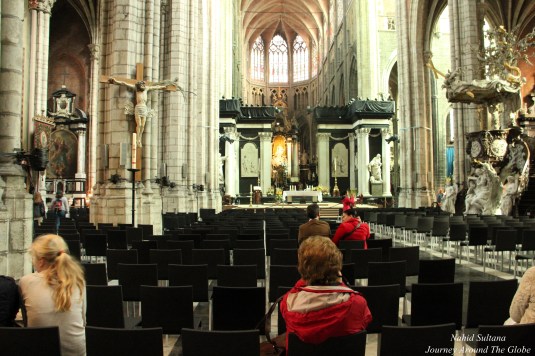
- Inside St. Bavo’s Cathedral in Gent
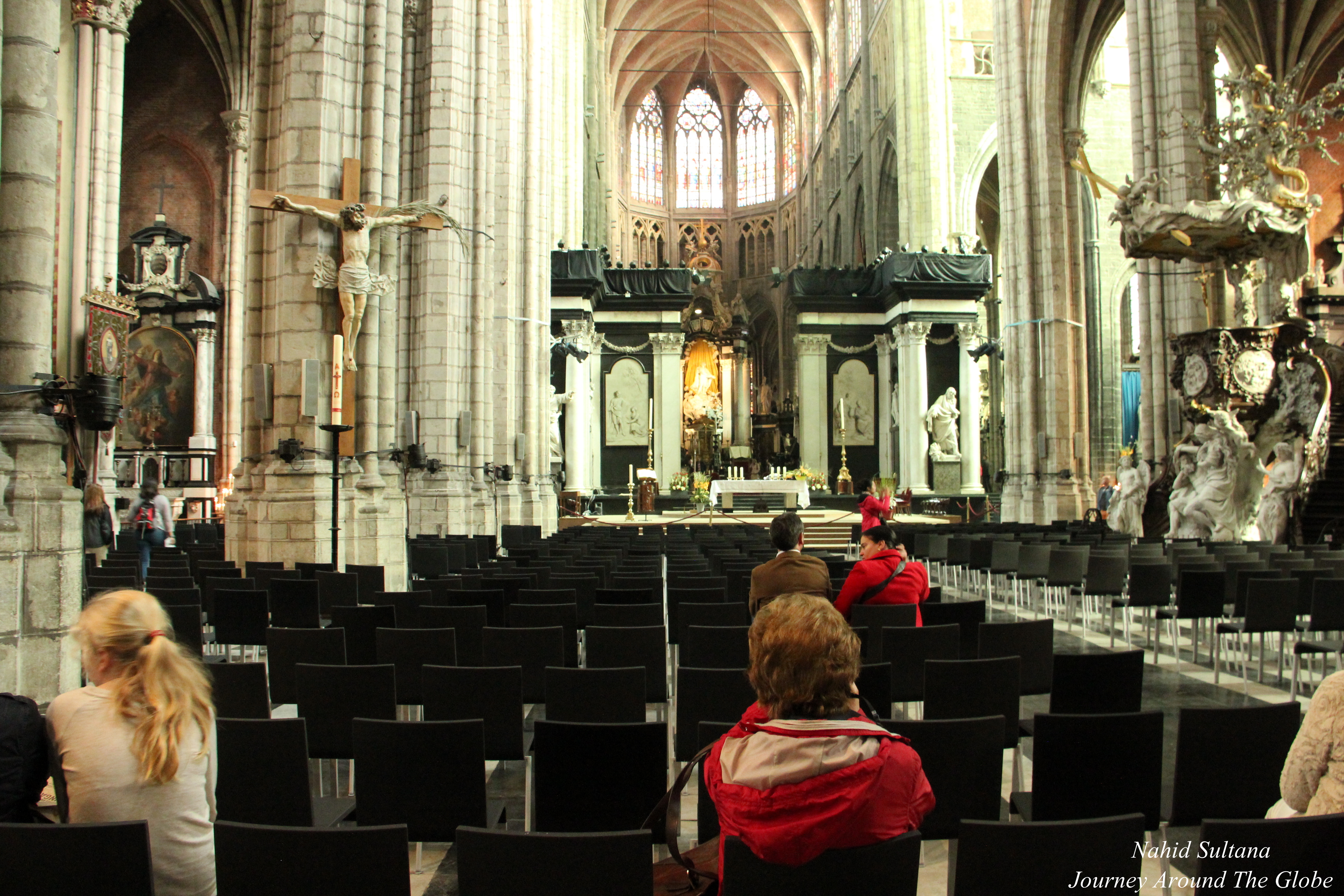
4) ST. NICHOLAS CHURCH or SINT-NIKLAASKERK: This 15th century church was built in typical Flemish architectural style. Inside the church may not be as grand as the cathedral above, but both have similar black and white theme. It’s alter is very beautiful and so is the organ. Those strong stone columns and old statues will take you back to medieval ages in no time. The church is open every from 10 – 5 pm and closed on Mondays. Entry is free for everyone.
5) ST. MICHAEL’S CHURCH or SINT-MICHIELSKERK: This is also a very nice and historic church of Gent. It’s very close to the old post office and Graslei and has bold exterior architecture that you can’t miss. There is no fee, so why not check it out? It’s open everyday from 2 – 5 pm from April 1st to September 30. I guess, other time of the year, it’s closed for visitors.
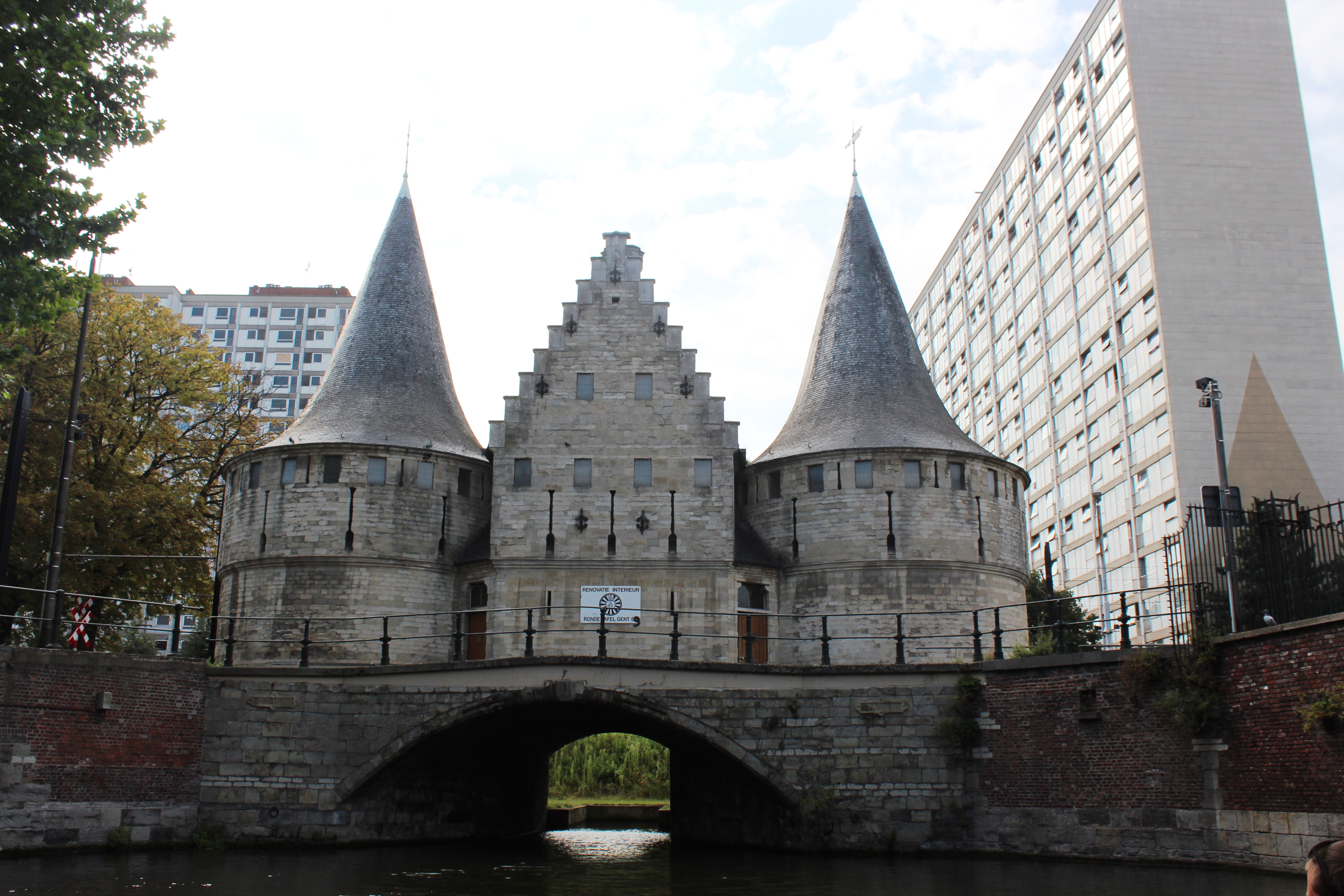
6) THE RABOT: With its two round towers, this was a sluice gate back in the medieval age. This was our last attraction of the boat ride.
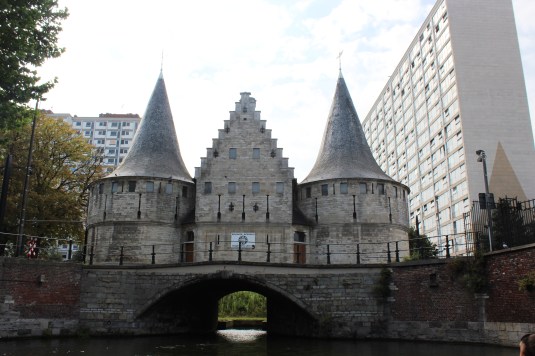
- The Rabot
7) COUNTS CASTLE or GRAVENSTEEN: This was the counts’ castle which was built in 1180 by Philip of Alsace. The keep, turrets, and different gates were built imposingly for defensive purposes. Later it evolved from count’s residence to a cotton-spinning mill, to the Seat of the Council of Flanders, and now to a tourist attraction.
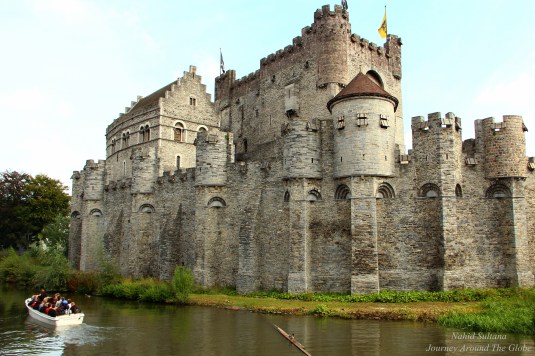
- Counts Castle from the 12th century in Gent, Belgium
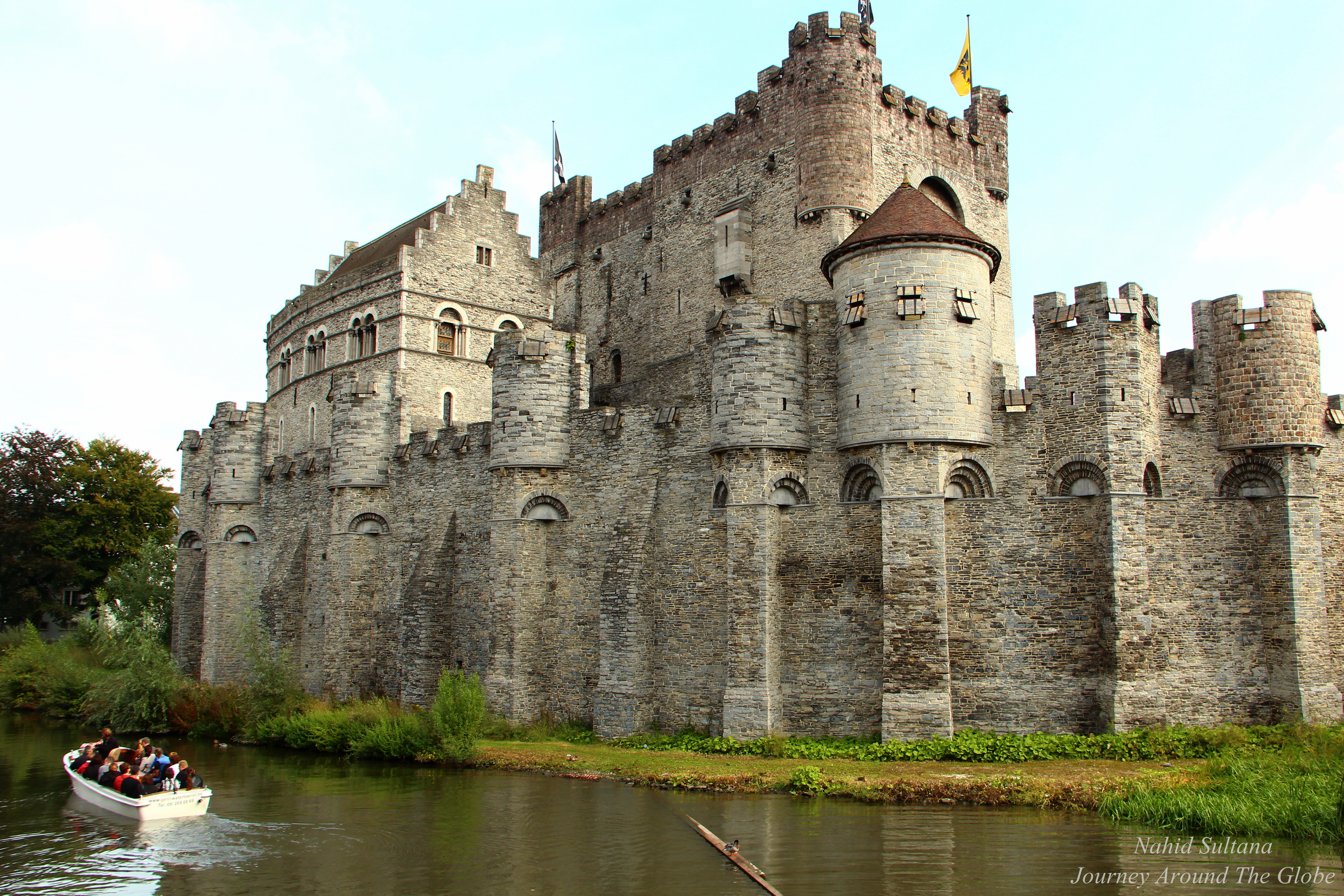
Travel back in the time to the Middle ages and explore more than 1000 years of history in this very well-preserved and well-maintained castle. Make sure to visit all 15 stations inside the castle wall. Go up the stairs to enjoy the magical 360 degree view of the city from very top of the keep. Those torture instruments that witnessed gruesome and horrible medieval jurisdiction are some of the rarest in all of Flanders. Banquet Hall and Dungeon were remarkable too.
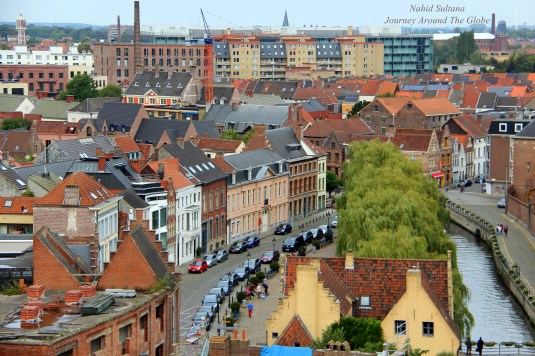
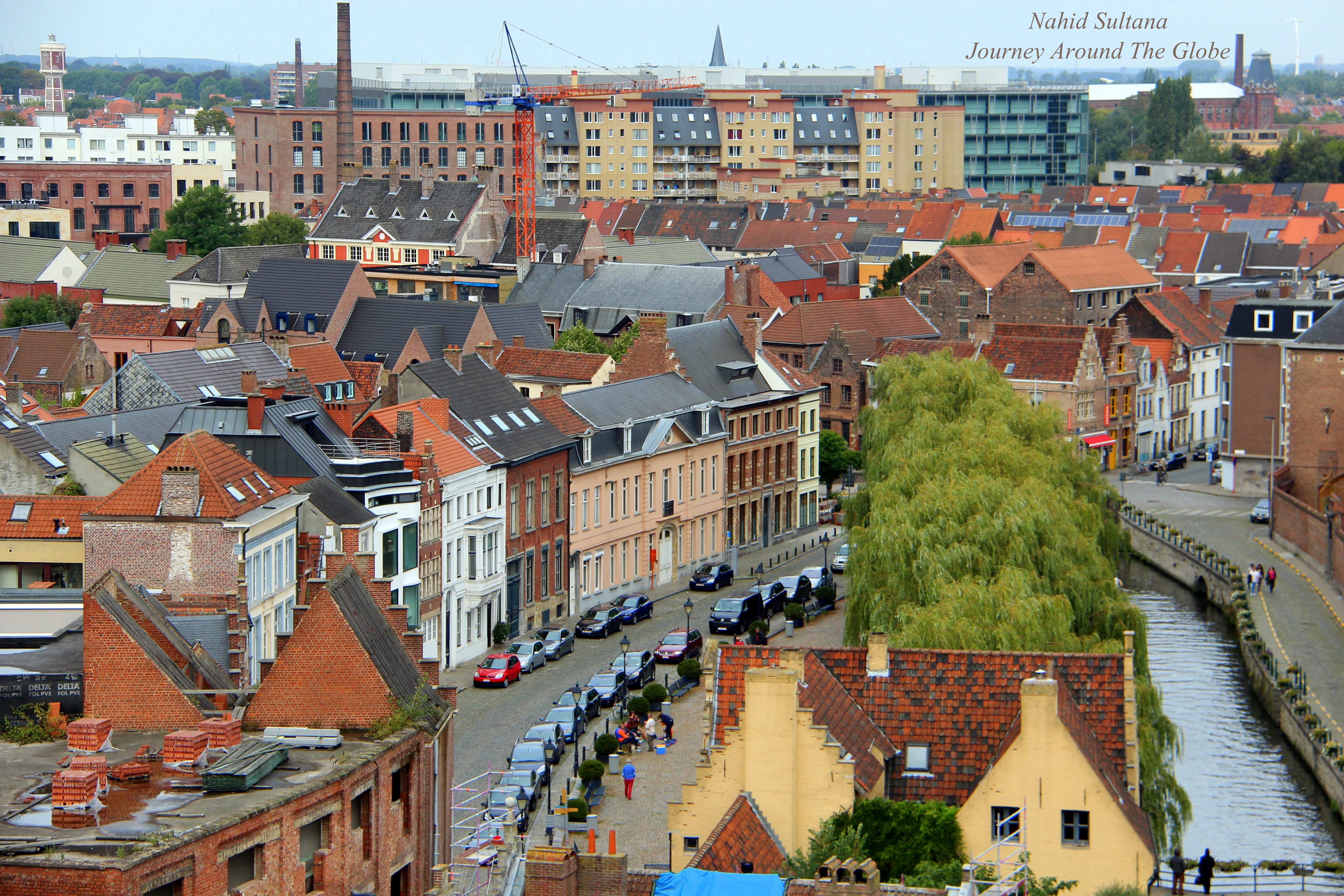
- Panoramic view from top of the keep of Counts Castle in Gent
From April 1 – October 31, the castle is open from 10 – 6 pm and from November 1 – March 31, they are open from 9 – 5pm. They are open everyday except for 24th and 25th of December and 1st of January. You can pay 8 euros for a self-guided tour inside the castle and it takes about little more than an hour to cover the whole place. Related articles
- four-ish days in ghent (eatsleepreadlove.wordpress.com)
- Off to Belgium! – Ghent, Belgium (travelpod.com)
- A dreamy 24 hours in Ghent with the kids (alloverthemap.net)
- Big fish, small pond – Gent, Belgium (travelpod.com)
Share this:

Hello Helsinki
HELSINKI, FINLAND: Helsinki is a vibrant and diverse city, where you can taste traditional eastern exotic with contemporary Scandinavian style. It’s the capital of Finland and the second-most northern capital city in the world. This youthful and relaxed city gave us a cosmopolitan experience which exists in perfect harmony with nature. With more than 300 islands and 100 km of coastline you can’t go wrong when spending time outside the city also.
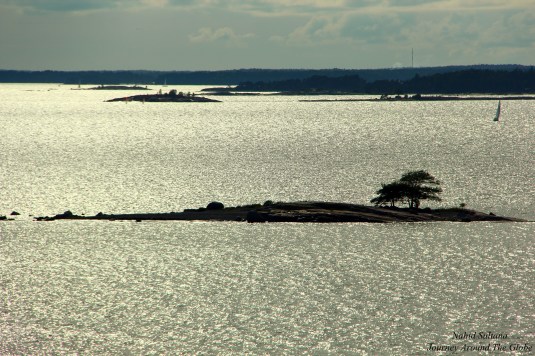
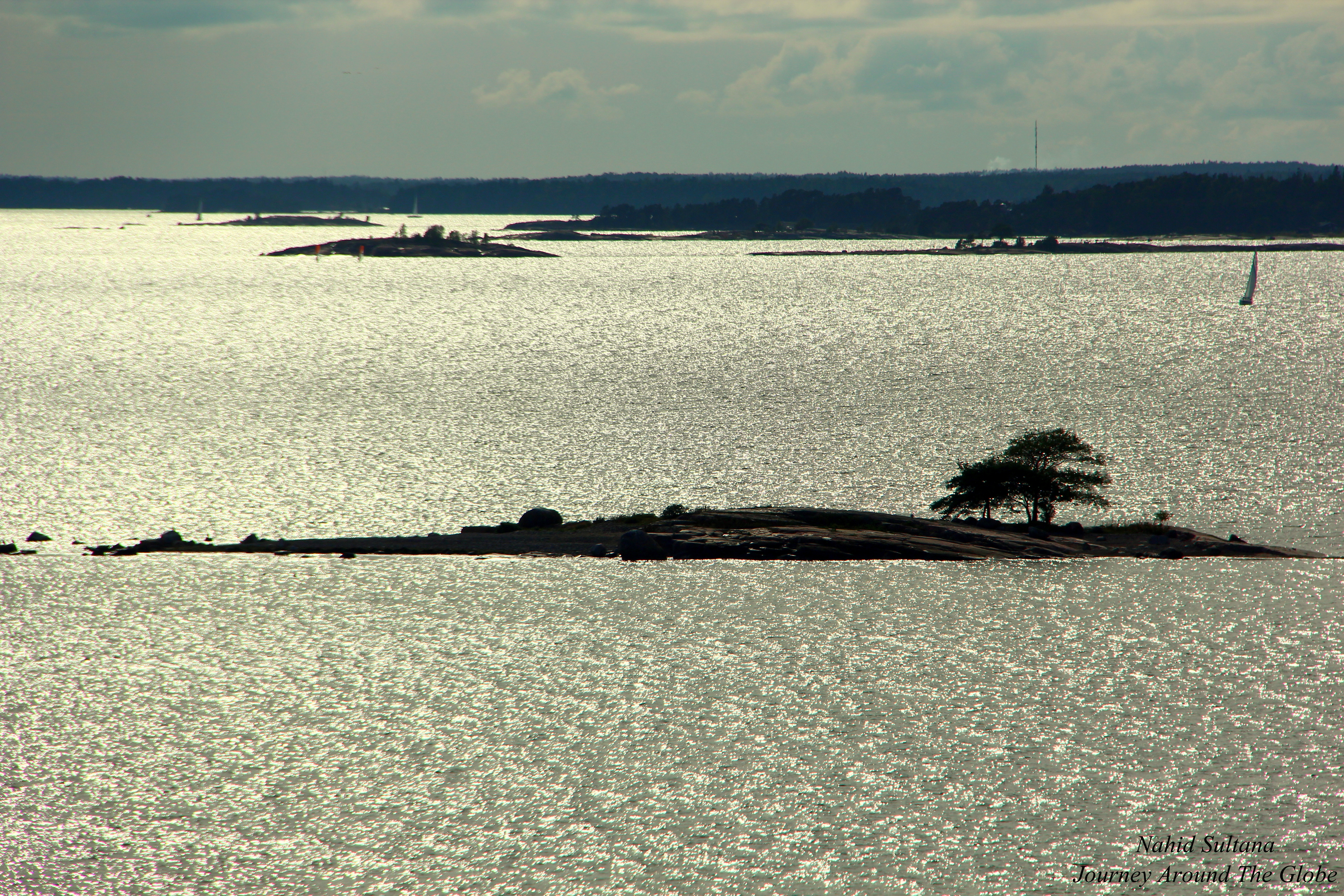
- From our cabin balcony, by Helsinki coast
The city was founded in 1550 by a Swedish king. Later, Helsinki was under Russian tsars for many years, therefore, you will see lots of influences of Russia here from architecture, to food, and souvenirs.
We toured the city with Hop On Hop Off (not the red one, green buses) open top tour bus service of Helsinki. We found their representatives right after we got off our ship. It was raining badly, I mean…seriously, it wasn’t a fun rain. We quickly decided to get on their bus to escape from the rain and it was the best way to explore Helsinki in that weather. They charged us 25 Euros per adult and free for kids below 16 years which includes audio guide and is valid for 24 hours. Also, you get to be picked up from your cruise terminal, if you arrive to the city via sea.
TIME of TRAVEL: We stopped in Helsinki, Finland when we took Baltic cruise with Carnival Legend in August of 2013. It was a 12-day cruise that started from Dover, England. After visiting Warnemunde, Germany our next destination was Helsinki and then to St. Petersburg. Unfortunately, the day we arrived in Helsinki, we were surprised with lots and lots of heavy rain. We almost got soaked at one point. But overall, it was ok, eventually the rain stopped in the later part of the day…but it was almost time for us to leave then L
EATING and SHOPPING: Helsinki’s cozy outdoor cafes and terraces offer a pleasant way to rest your feet and refresh yourself. For gastronomical explorer Helsinki has plenty to discover. We saw plenty of nice restaurants in the main center, near Senate Square. But, we grabbed some Subway sandwiches from a shopping mall and went on with our journey as soon as possible.
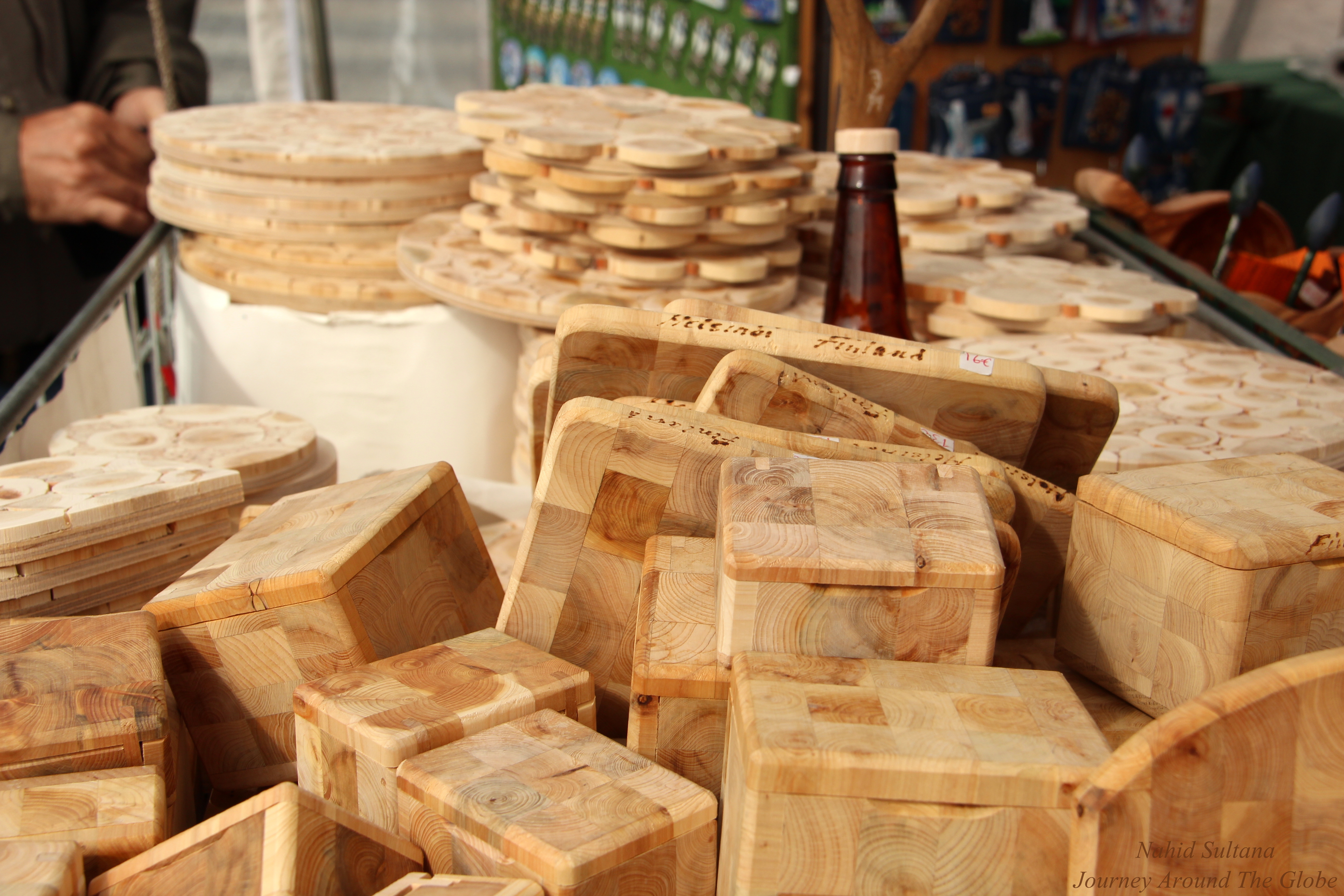
For souvenirs, Market Square was our best option. They were very reasonably priced and had tons of options to buy something local. We bought a pair of coasters made from juniper trees, it was 10 euros each. The wood has a distinct smell and the man told us if you put hot dish on the coaster, you can really get the smell of juniper.
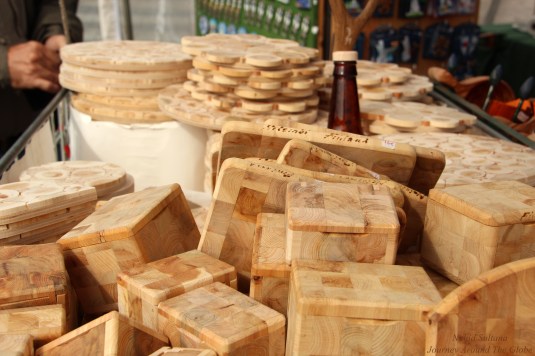
- Coasters and boxes made from Juniper trees – some typical Finnish souvenirs in Helsinki
PLACES WE’VE VISITED: There are plenty museums here if they interest you…but with our short time off of the ship, that’s all we could do and visit here. Also, the rain didn’t help at all. We opt out on Olympic Stadium that is a well-known tourist spot where Olympic Games were held in 1952. We managed to visit the following in about few hours. Most of the sights and attractions are within walking distance in the city center, and getting around town is very easy. But Hop On Hop Off was a life saver for us that day.
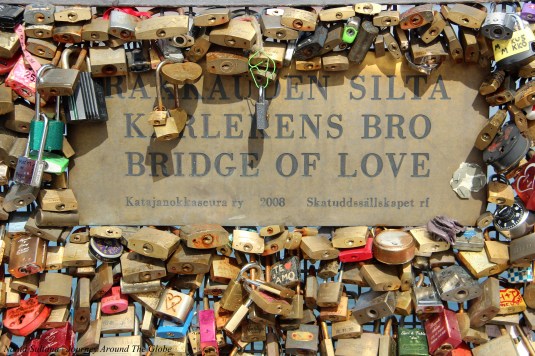
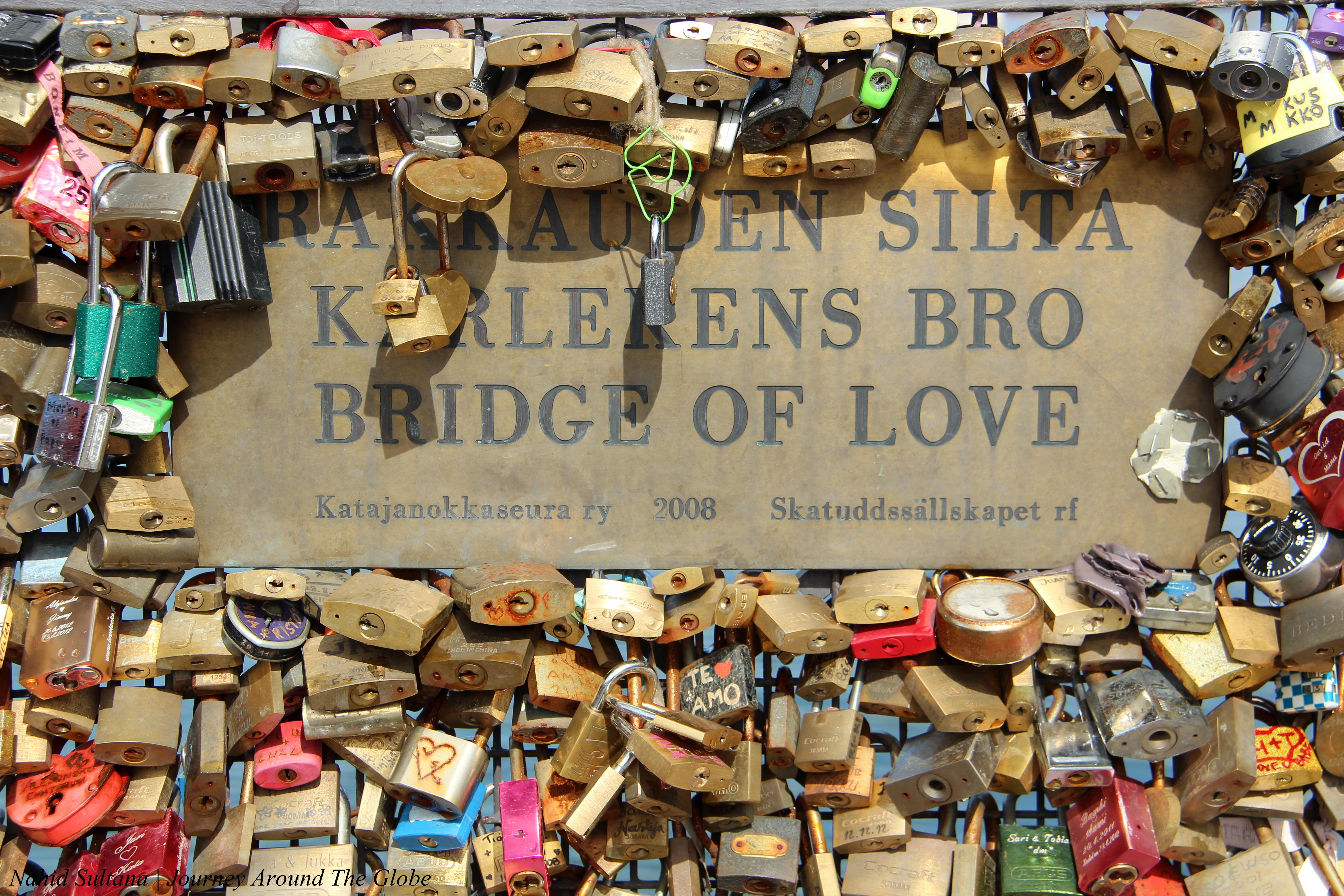
- Lovelocks on Bridge of Love while walking towards Uspenski Cathedral in Helsinki
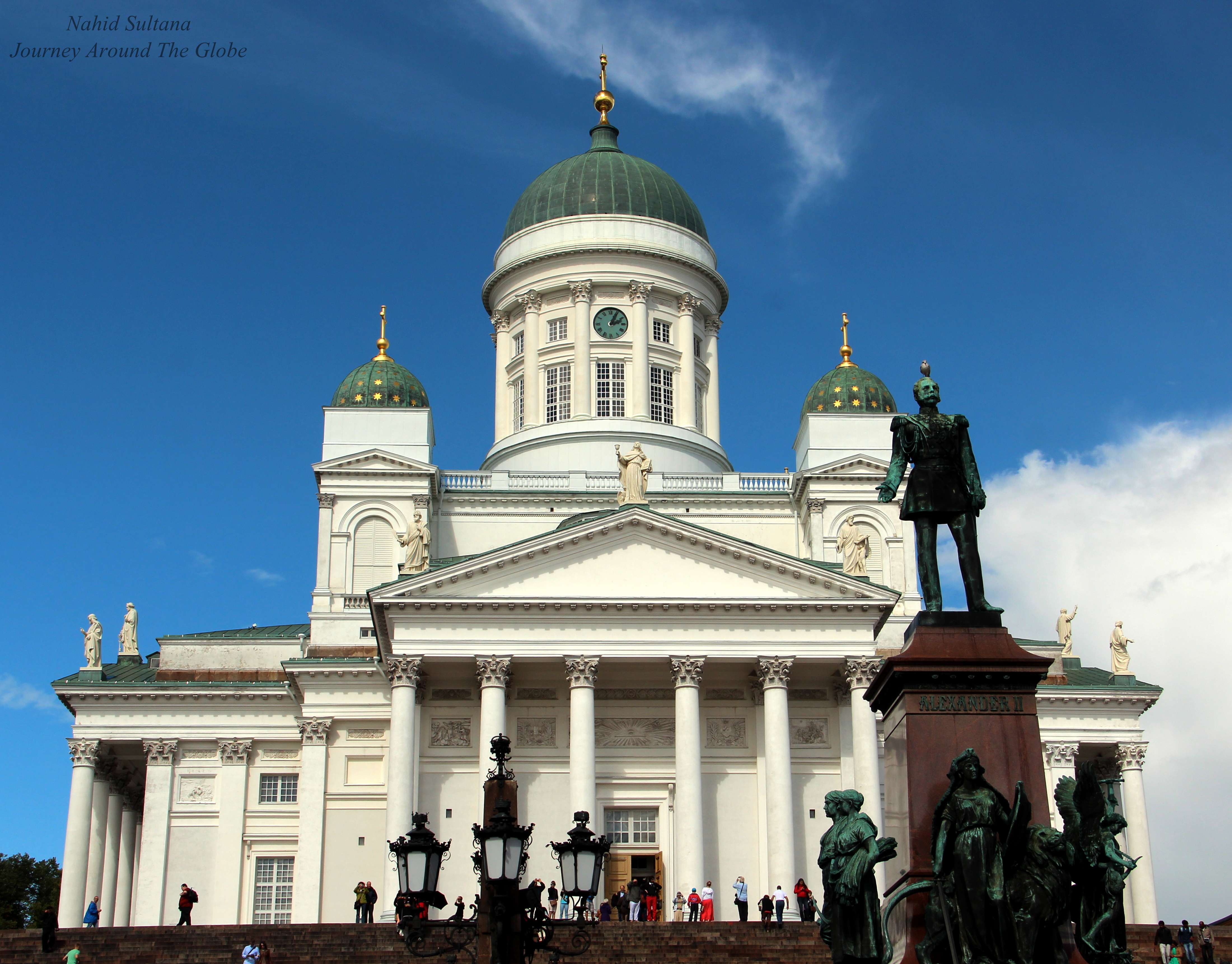
1) SENATE SQUARE and HELSINKI CATEHDRAL: This is the main central square in Helsinki and a reminder for Finnish people when they became independent in 1917, immediately after the Russian Revolution. This neo-classical historical center is where we were dropped off at first from the port. In the center of Senate Square stands a statue of Tsar Alexander II from 1894. This Russian tsar was very popular here and his bold statue in the square represents Law, Peace, Light and Labor. Many merchant houses from the 18th century are lined on the south side of the square. Senate Square also houses few museums, university library, main university building, and official residence of the Mayor of Helsinki. It was raining cats and dogs; we had to change our bus here and get on another Hop-On Hop-Off to start the tour.
The beautiful and historically significant Helsinki Cathedral is an Evangelic Lutheran church. This striking white cathedral with green dome is the unofficial symbol of Helsinki and has been dominating Senate Square since 1850. Russian Tsar, Nicholas I, contributed to the exterior appearance of this cathedral by commissioning the zinc statues of 12 apostles on the roof looking down at the world. Helsinki Cathedral hosts major state and university events. Inside is very simple but elegant. The altar is non-decorative too, but the choir is grand and beautiful. Exhibitions and concerts are held in the vaulted crypt. Be ready to climb 50+ steps to get there. Entry is free to the cathedral.
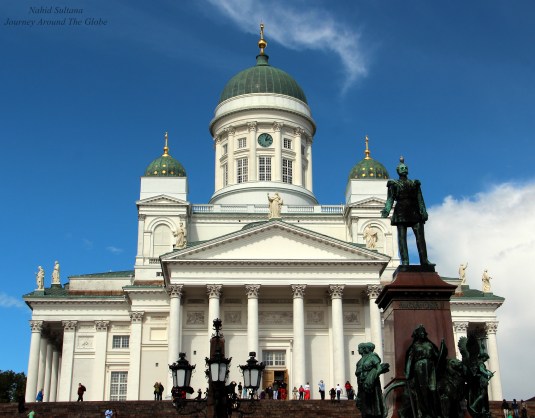
- Helsinki Cathedral with statue of Russian Tsar Alexander II in Senate Square of Helsinki
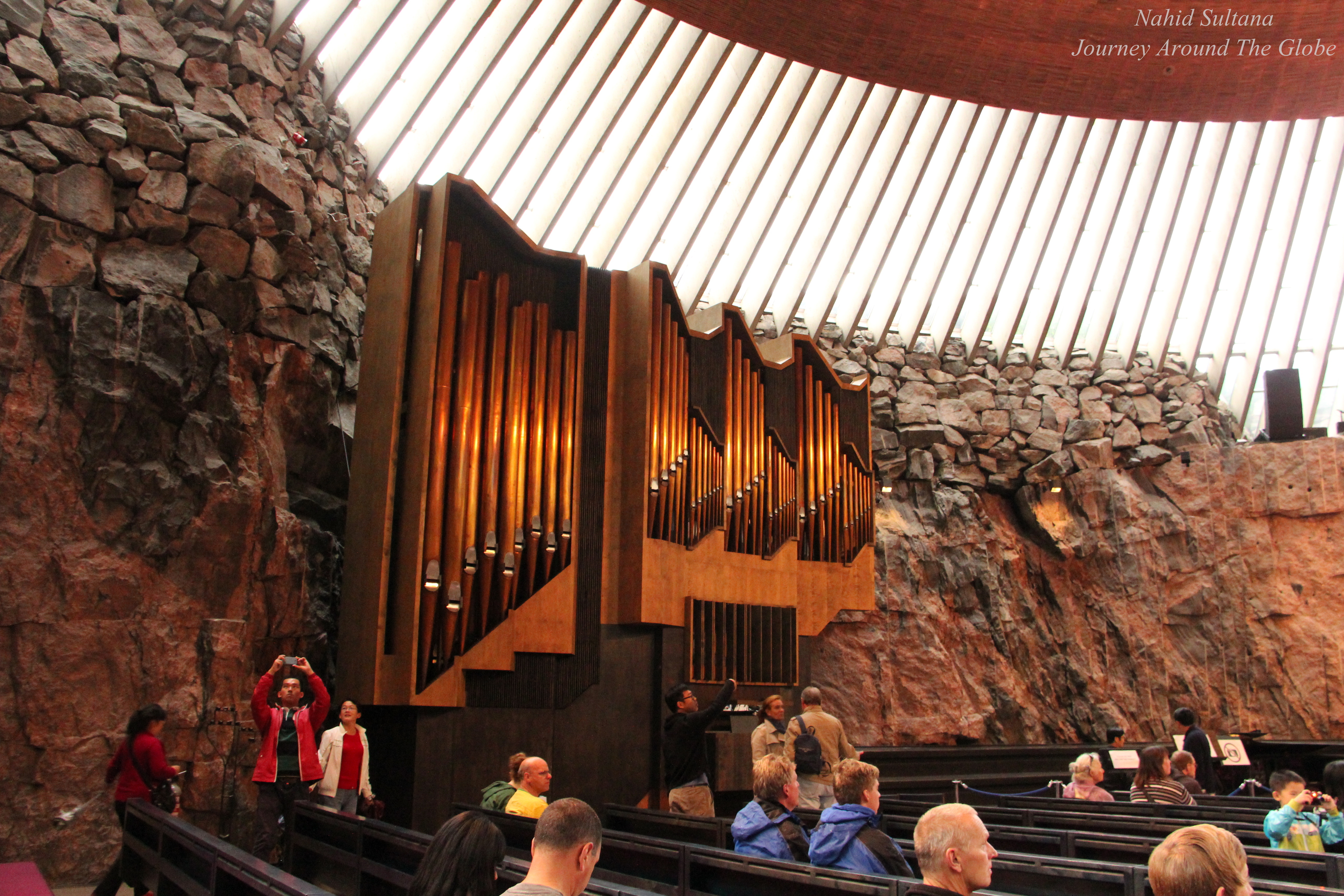
2) TEMPPELIADIO CHURCH or ROCK CHURCH: This Lutheran church was literally dug out of solid rock and is the most visited site in Helsinki. It was quarried out of the natural bedrock where the interior walls are created naturally by the rock. The roof is made of 22 km of copper strips. Completed only in 1969, inside the church is very contemporary with simple altar and nave. Due to its excellent acoustics the church is a popular venue for concerts. There is no fee to enter the church.
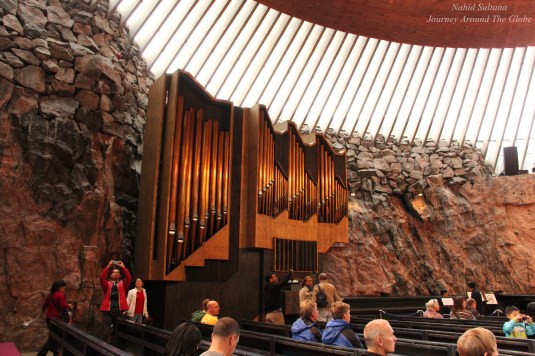
- Rock Church, the most visited site in Helsinki
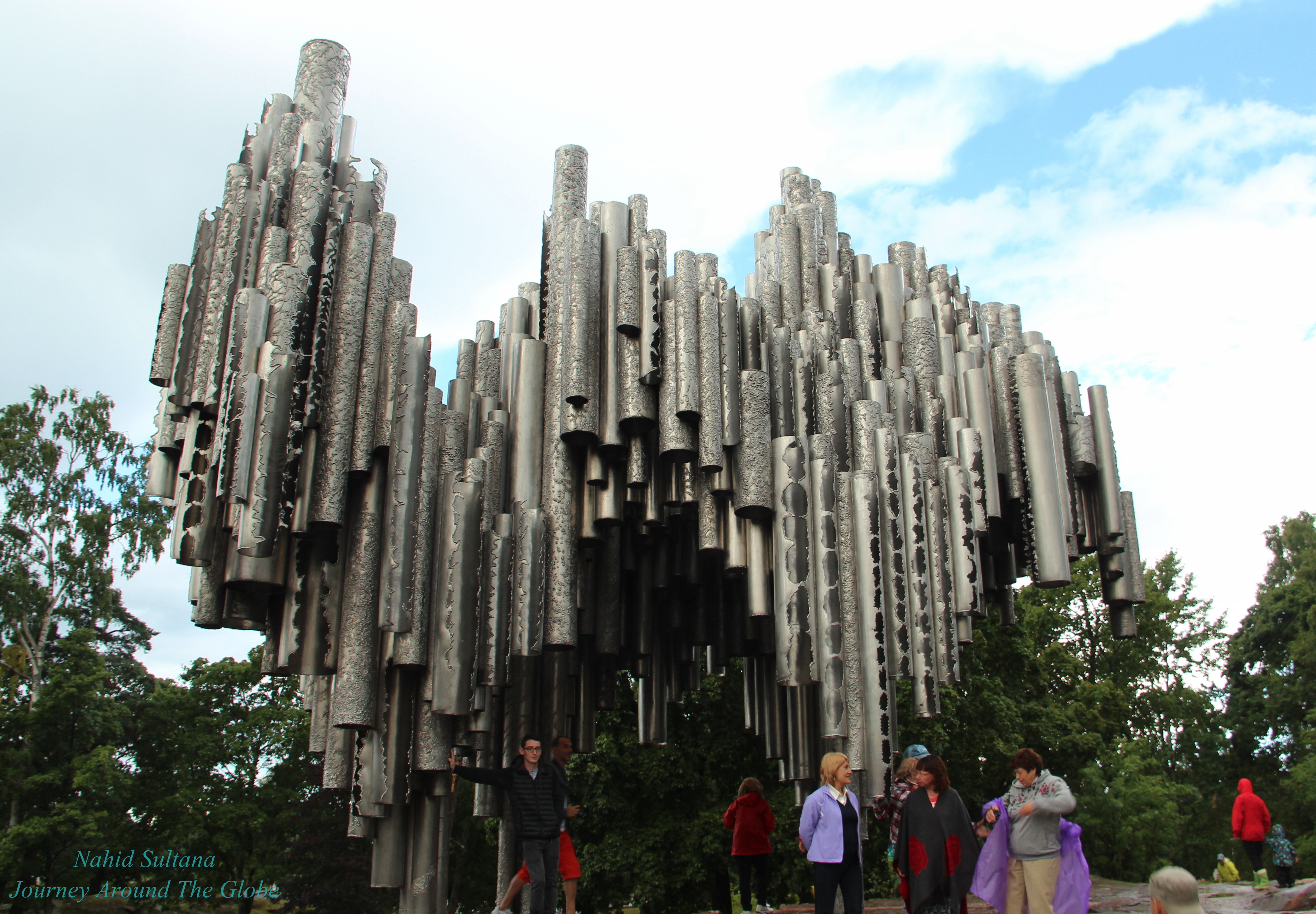
3) SIBELIUS MONUMENT: Dedicated to the world-famous composer Jean Sibelius, this monument is one of the “musts” when visiting Helsinki. Located in Sibelius Park, this unique sculpture resembles organ pipes, made with welded steel with the bust of the composer on one side. It has over 600 pipes and weighs 24 tons. This is a very nice park with touch of lovely greens in the city. There is no charge to enter the park or to see the monument.
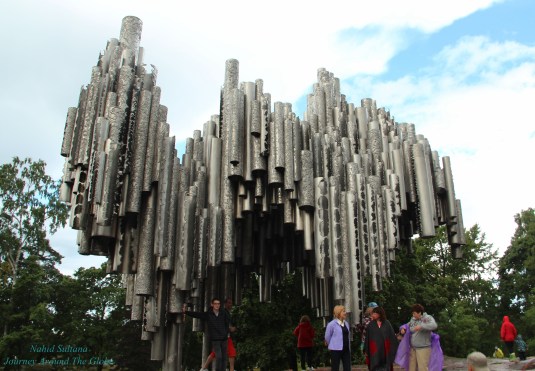
- Sibelius Monument in Helsinki
4) NATIONAL MUSEUM, PARLIAMENT HOUSE, and HELSINKI MUSIC CENTER: Although we didn’t go inside because of short time, National Museum of Finland is a place full of treasures. It illustrates Finnish history from prehistoric times to the present and the building is very bold too.
Only a few steps from the museum is Finland’s impressive parliament building. The façade is made of red granite with 14 Corinthian columns. Opposite of the parliament if the Helsinki Music Center.
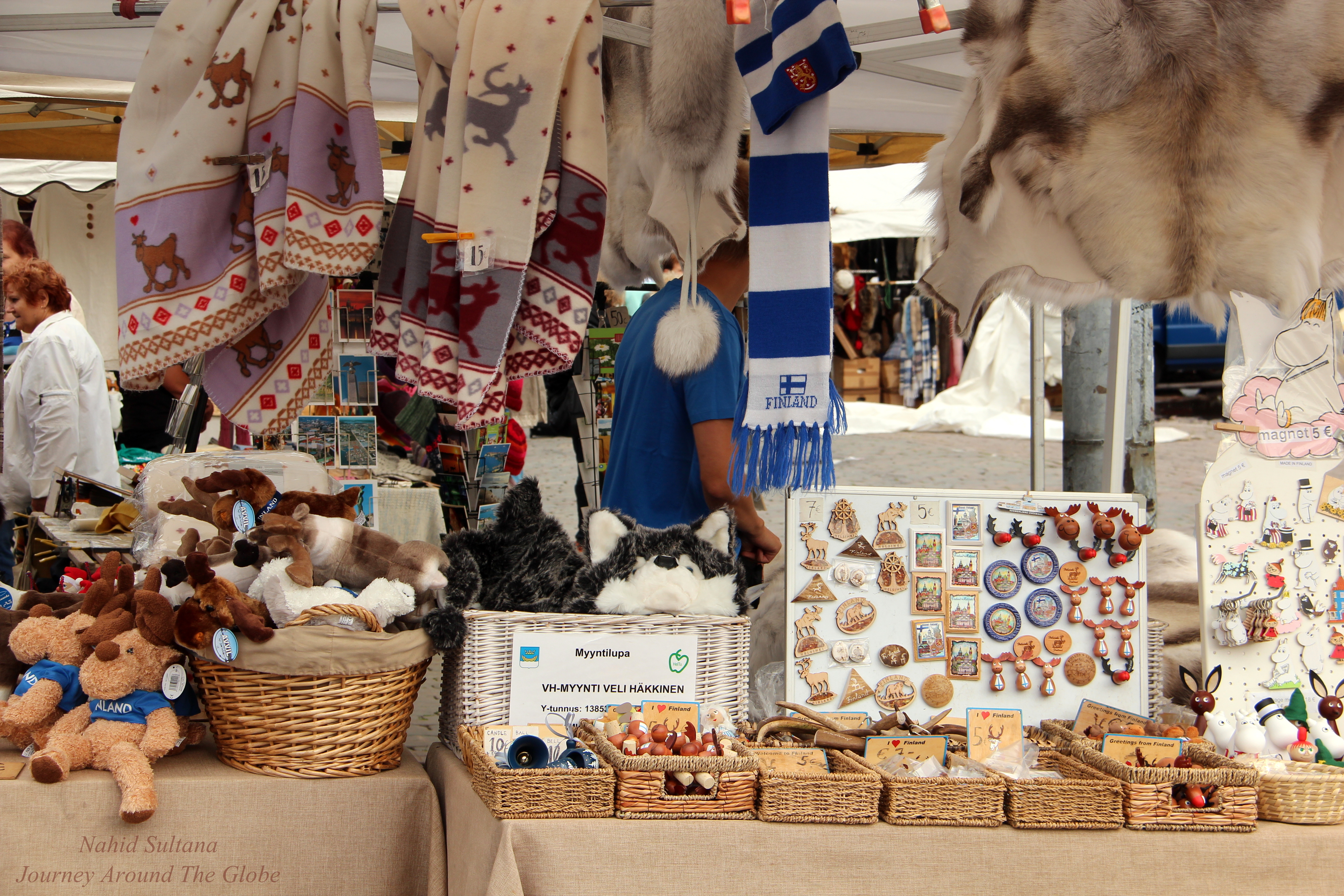
5) MARKET SQUARE: This was my favorite place in this city…I do get excited when choosing or buying souvenirs. Market Square is located in front of the city hall and by waterfront, only couple minutes of walk from Senate Square and Uspenski Cathedral. It was a great place to do some souvenir hunting. You can find some unique Finnish items here like juniper wood coasters and boxes, minks, fox furs, sweaters, and winter accessories and best part is that they are all made in Finland.
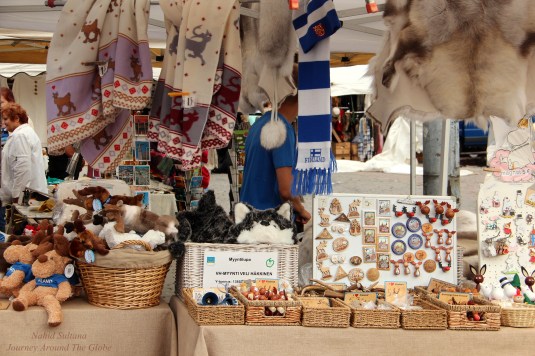
- Market Square of Helsinki, Finland
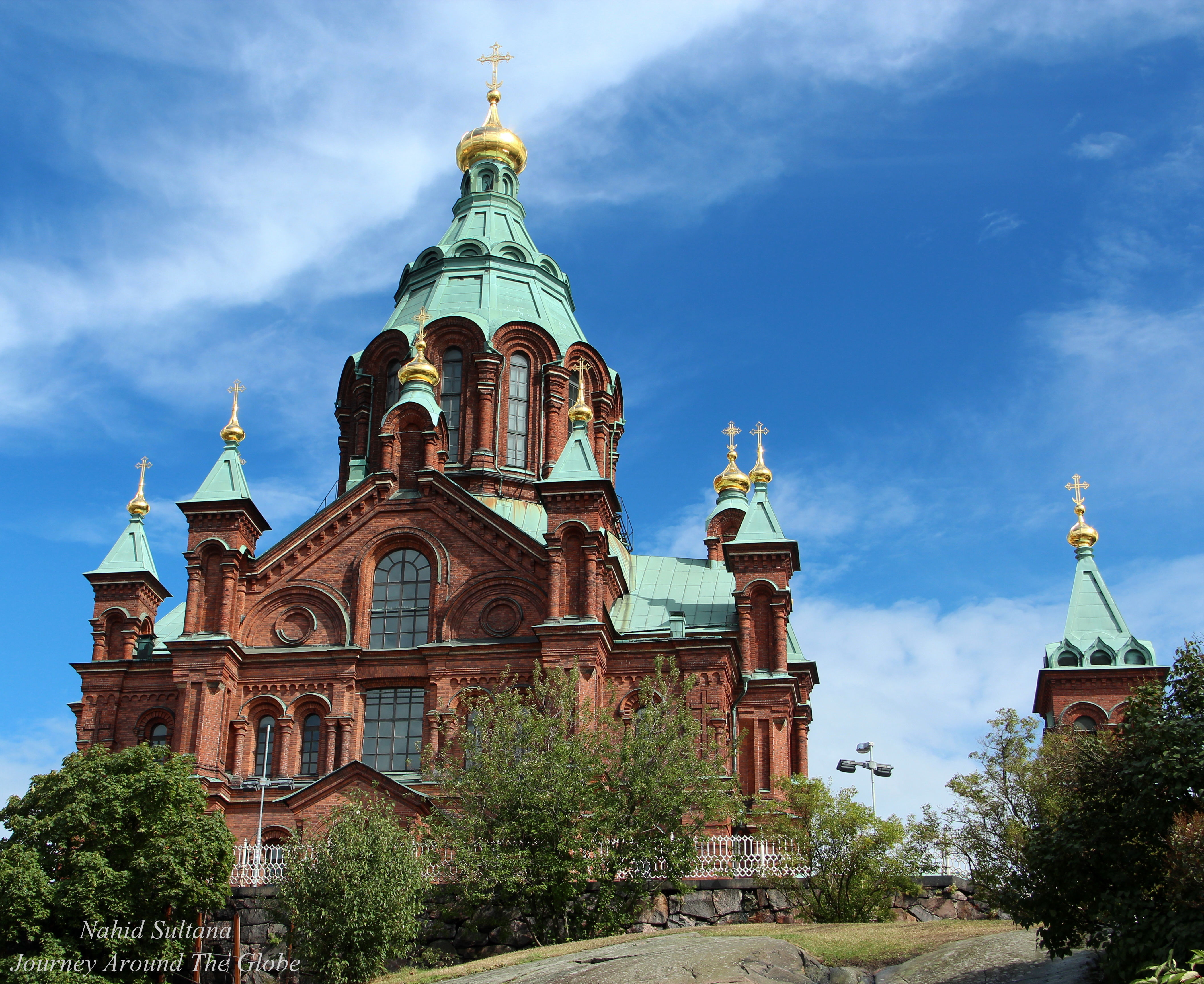
6) USPENSKI CATHEDRAL: Completed in 1868, the Uspenski Cathedral is the largest Orthodox cathedral in Western Europe. With its golden copulas and red-brick façade, the church is one of the clearest symbols of the Russian impact on Finnish history. This is one of the two official national churches in Finland. The ornate vaults are supported by four giant granite columns. And the fabulous painting behind the altar was done by a Russian artist. Interior is kind of small but more gorgeous and decorative than Helsinki Cathedral. We had to climb a small hill with few stairs. It’s free to go inside. With classic onion-domed Russian church is prominently located near Market Square and only 5 minutes of walk from Senate Square.
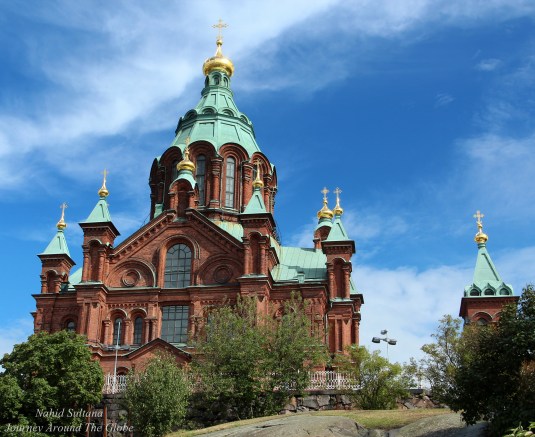
- Uspenski Cathedral in Helsinki
Related articles
- Paris Fashion Week – Pre Helsinki (jalwinter.wordpress.com)
- Helsinki, Finland (stinkjel.wordpress.com)
- Finland, the Amazing Destination of Europe (cheapholidayspoint.wordpress.com)
- Heaven in HELsinki, Finland (piathesearchingwoman.wordpress.com)
- Eurotrip – first stop Helsinki (nomadwhere.wordpress.com)
Share this:

Business Excellence Award 2020 from AI Global Media for The Most Entertaining Personal Travel Blog – Pacific Northwest USA

Top Posts & Pages


Business Excellence Award 2020 for The Most Entertaining Personal Travel Blog – Pacific Northwest USA

 Globe Runner

