Journey Around The Globe
ready for the next destination
Easter Break Trip 2012 – 1st destination: Nuremberg, Germany
NUREMBERG, GERMANY: First two things that came to my mind when I thought of Nuremberg were Hitler and his Nazi Party. It was, in fact, considered the ceremonial birthplace of Nazi Party. Reich Party Rally Grounds in Nuremberg hosted annual rallies with German soldiers, which is now known as Documentation Center by the locals. In addition to that, Nuremberg Trials also took place in this Bavarian city of Germany. Nuremberg Trials were a series of military tribunals to prosecute the members of the political, military, and economic leadership of the defeated Nazi Party, which took place right after WWII ended.
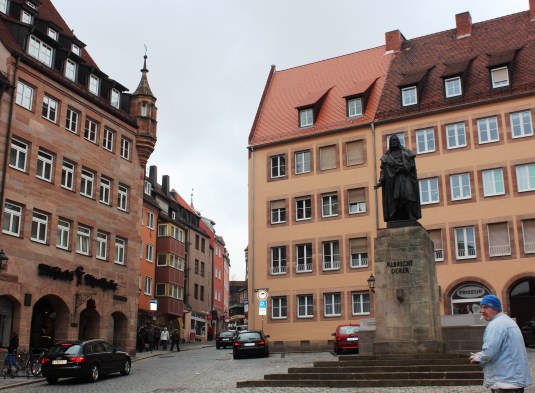
- Statue of Albrecht Durer (a famous son of Nuremberg) in Albrecht Durer Platz near St. Sebuld Church
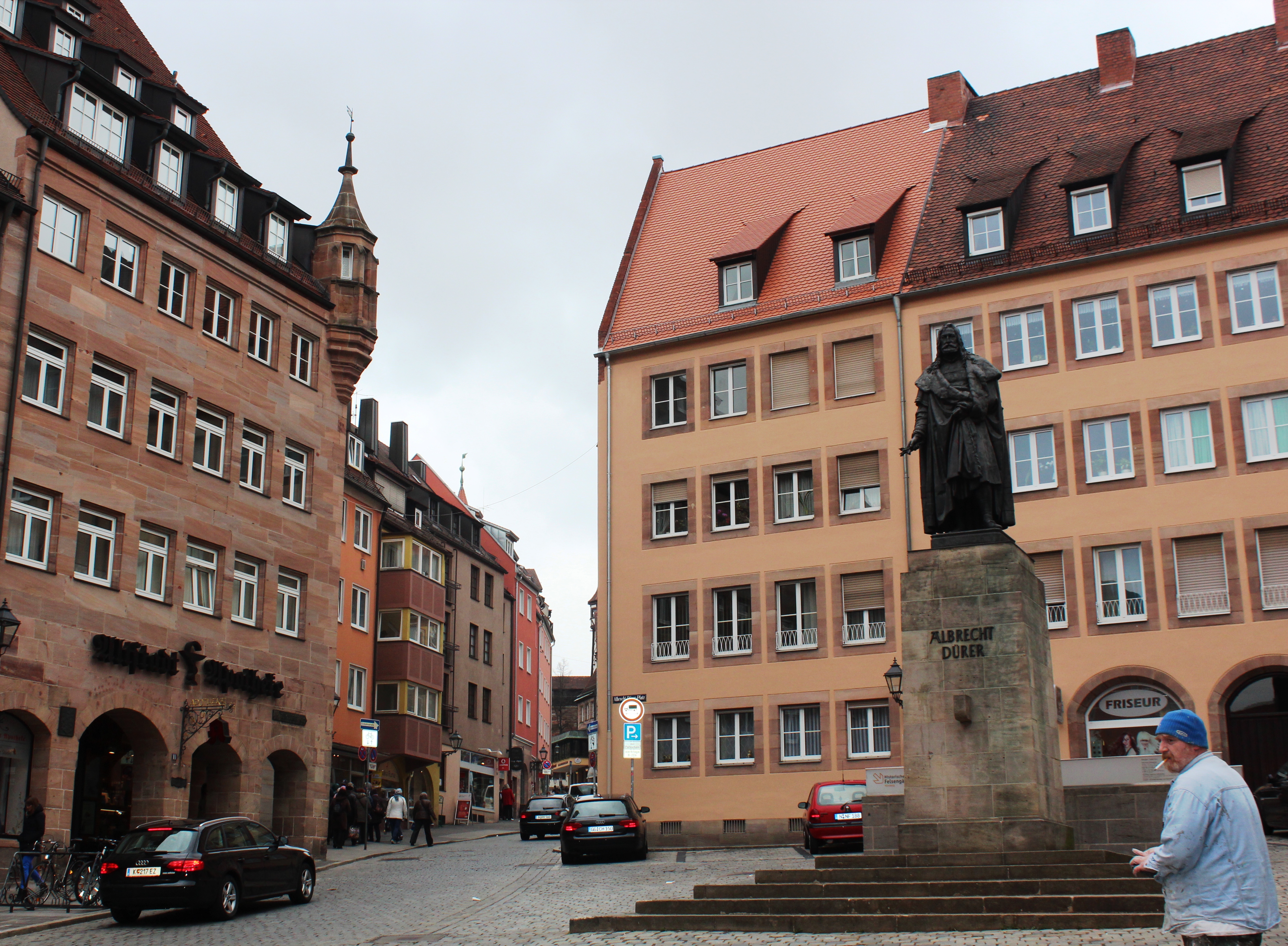
Other than these usual impressions of Nuremberg, the city has a lot to offer for its guests. The old town with gothic churches, old/typical German-styled houses, old castle, and small squares give a lively atmosphere in the city. You will find medieval look, recent history, and modern touch co-existing in the same place.
TIME OF TRAVELING: We took a long road trip during the Easter break 2012, which was in the 1st week of April. Nuremberg was our 1st destination among seven in total. It took us about 6 hours by car to reach Nuremberg from Tervuren, Belgium. The weather was a bit on the colder side, had to wear jackets and hats. We spent a night there and had the next half a day to explore the city before another 6 hour drive to Vienna, Austria.
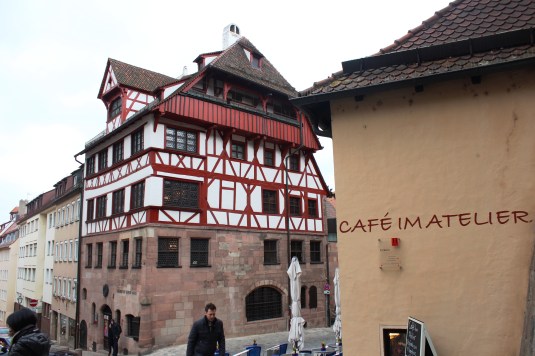
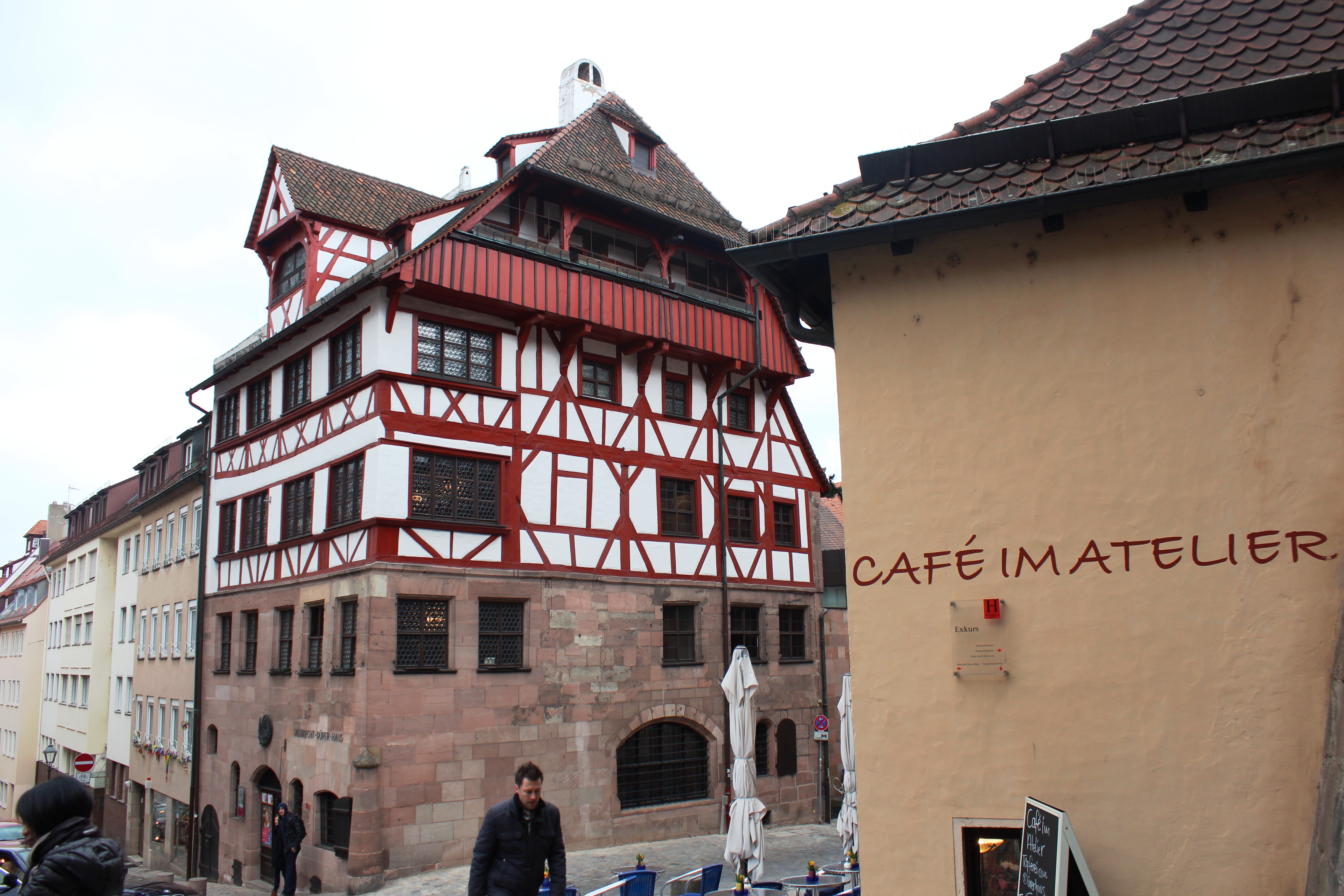
- House of Albrecht Durer (red & white building) in told town near the entrance to Kaiserburg Imperial Castle
OUR HOTEL: We didn’t get a hotel in the old town this time. Our hotel was “Fuerther Hotel Mercure Nuremberg West”, which was about 15 minutes of drive from the castle in old town. They didn’t have free breakfast but had free Wi-Fi and parking space (not free though)
WHAT TO BUY AND EAT IN NUREMBERG: There are some nice small cafes near St. Sebuld church and other part of the old town. I’ve heard that gingerbread in Nuremberg is quiet famous, although we didn’t have the chance to try one. Unlike other old towns in Europe, I didn’t see souvenir shops at every corner here, but there were some which were selling key rings, postcards, and t-shirts along with other gift items.
PLACES WE VISITED: We literally spent half a day…just few hours in Nuremberg. We had the chance to visit only two places in the old town leaving out the Documentation Center (Nazi Rally Grounds).
1) OLD TOWN: Any old town in Germany is beautiful, especially with the ones with red colored, typical old German style houses. Nuremberg is also like that. Its cobbled street and old buildings give a nice medieval look. It is beautiful and cozy. There are some shops and boutique stores, but not too many. You will see some cafes and restaurants every corner of the town. St. Sebuld Church and Nuremberg Castle are also located in the old town. A big advantage of this particular old town is that, you don’t have to look for street parking here. There is a nice big garage right beside St. Sebuld.
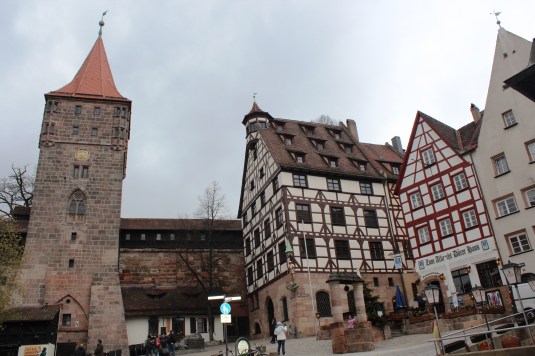
- Nuremberg Old Town
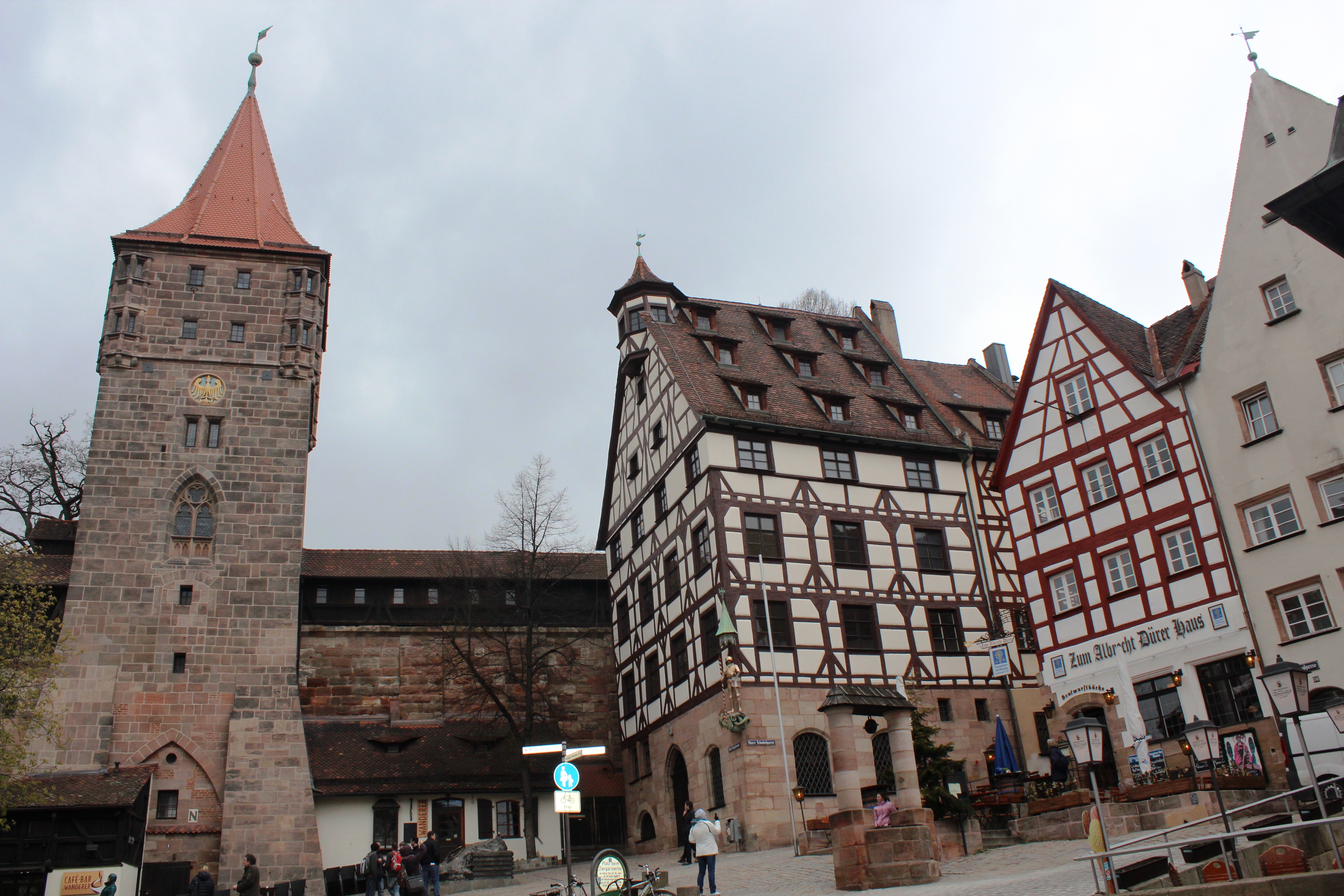
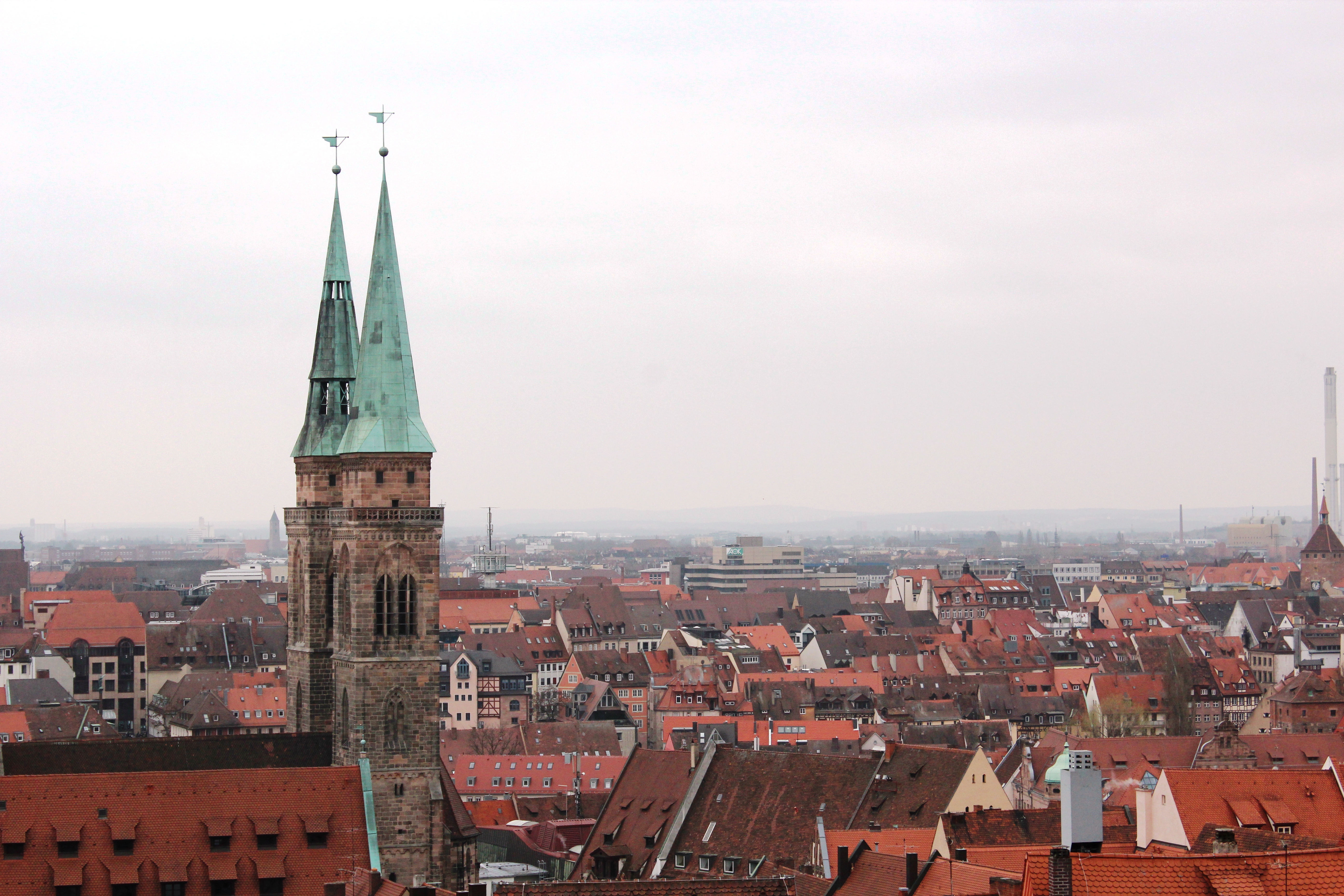
2) ST. SEBULD CHURCH (SEBALDUSKIRCHE): The church is standing there since the 13th century. It is one of the oldest and most important church of the city. There are some posters inside the church that show how it was heavily destroyed during WWII and later reconstructed to its present look. It is located in Albrecht-Durer-Platz in front of the old city hall in old town, about 600 m away from the castle.
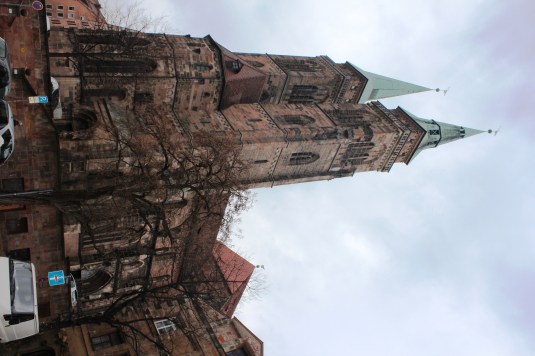
- St. Sebuld Church in Nuremberg, Germany Old Town
3) KAISERBURG IMPERIAL CASTLE: This huge castle and its towers dominates Nuremberg’s old town. It is believed that the castle was built here somewhere around the 11th century. You can enjoy an impressive view of the old town and its surroundings from the castle. Inner courtyard of the castle has some typical old-style German buildings (I have only seen these in Germany, nowhere else), the long tower, and the deep well (Tiefer Brunnen), which is now closed for the public.
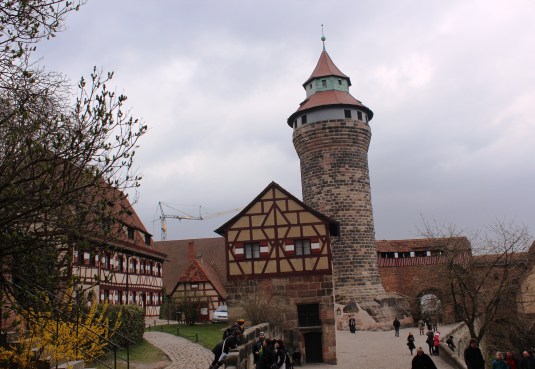
- Courtyard of Kaiserburg Imperial Castle in Nuremberg. The five-cornered tower and the deep well (inside the red building in the front)
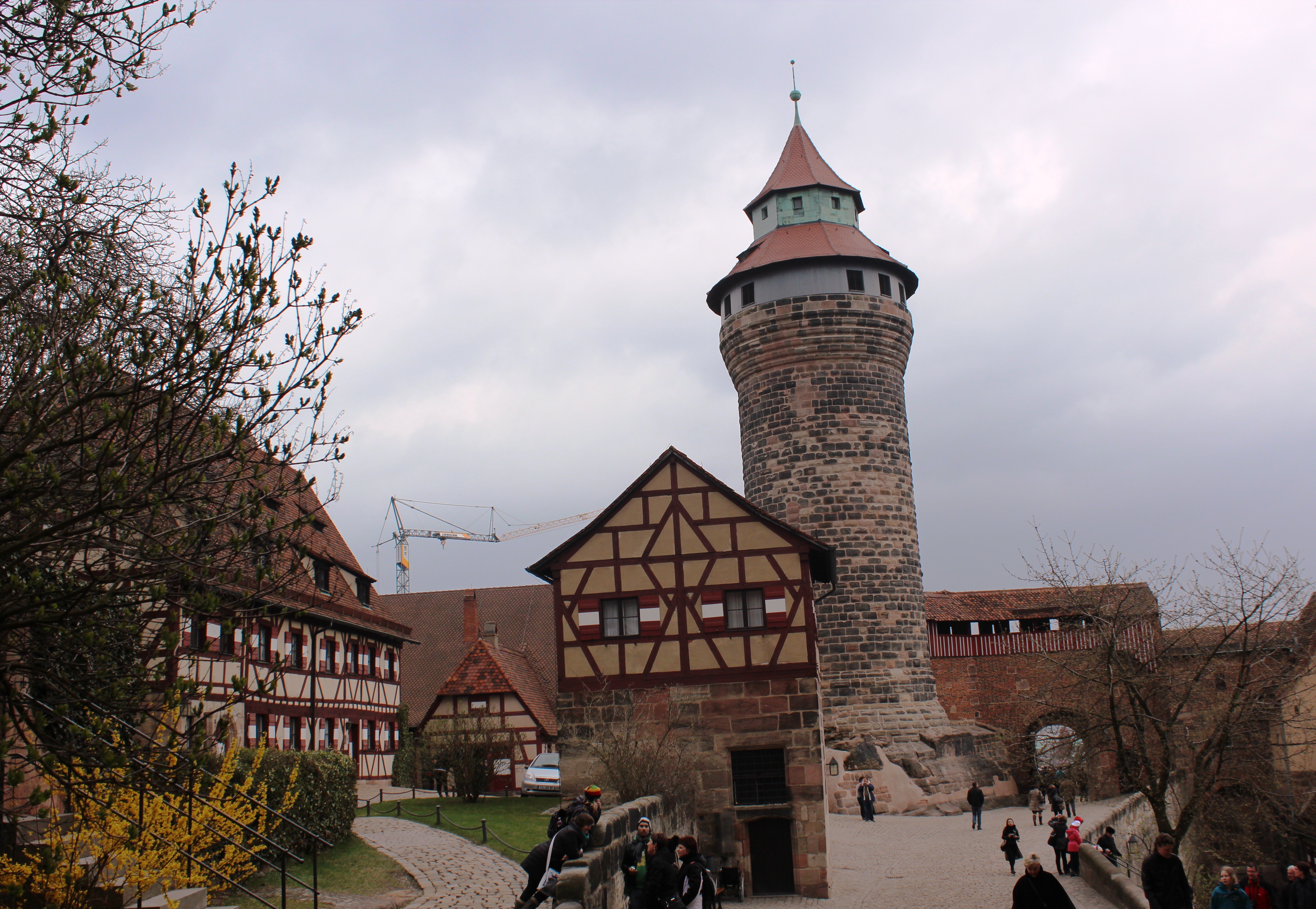
The castle is huge in size, but unlike many other castles you won’t be able to see it from a far distance, except its towers may be. There is a convenient parking garage in old town right beside St. Sebuld Church. It is free to enter the castle and roam around in its terrace and courtyard, but you have to take guided tour to go inside the buildings. The tour is ONLY in German, takes about 1 ½ hours, and costs around 7 euros. If you don’t understand German, at least you get to view the interior of the castle.
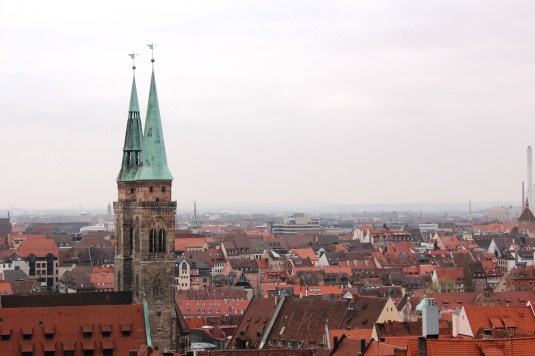
- View of the old town and St.Sebuld Church from Kaiserburg Imperial Castle, Nuremberg, Germany
Related articles
- Nuremberg Christmas Market (travelthroughus.wordpress.com)
- German Cities In Germany (leggotunglei808.wordpress.com)
- IWA Outdoor Classics 2012 (hivizsights.wordpress.com)
- Nuremberg, Tribunals And ‘Justice And The Enemy’ (npr.org)
- Just Another Night in Nuremberg (remarkablyunremarkable.net)
Share this:

Waterloo, Belgium – The place where Napoleon fought his last battle
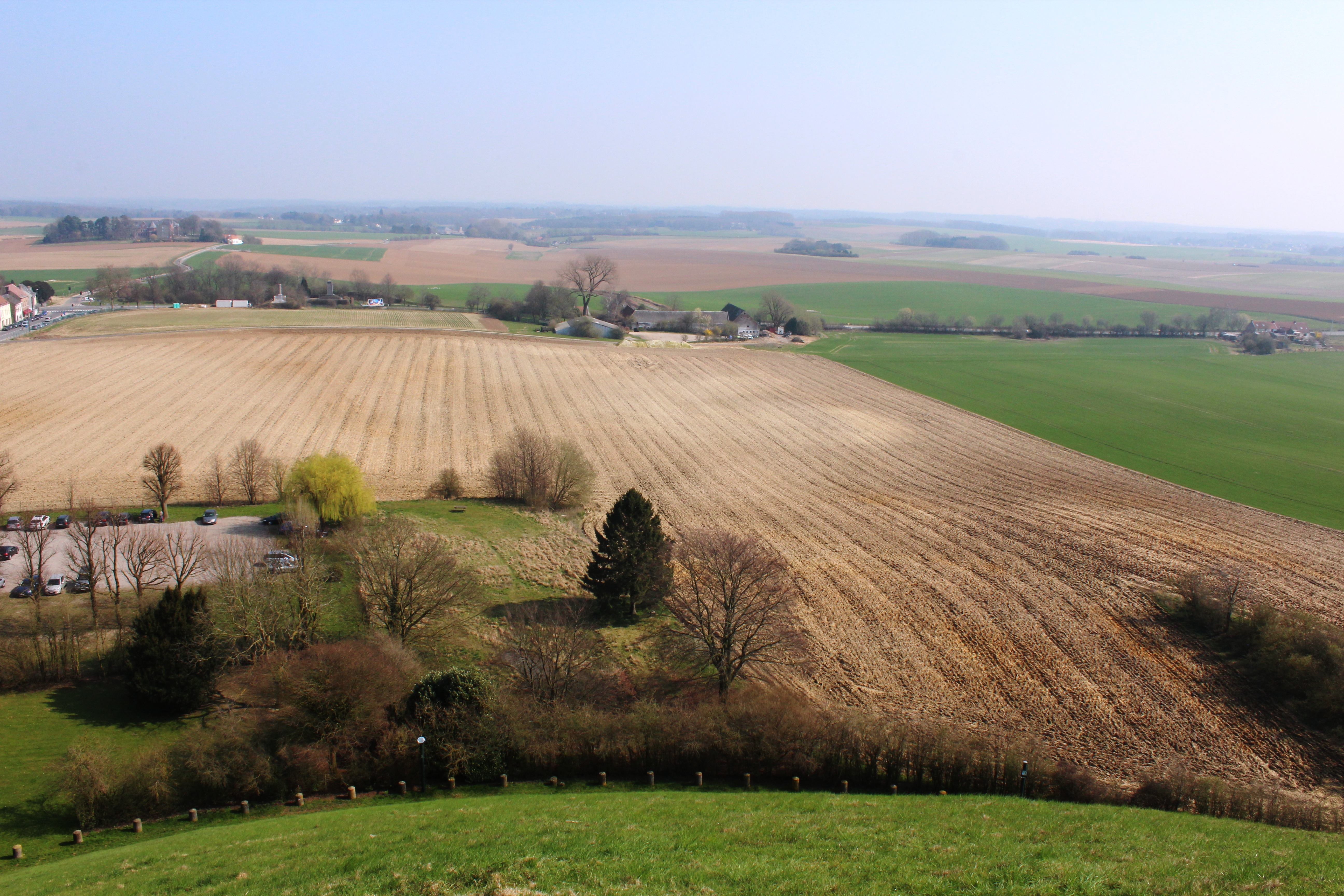
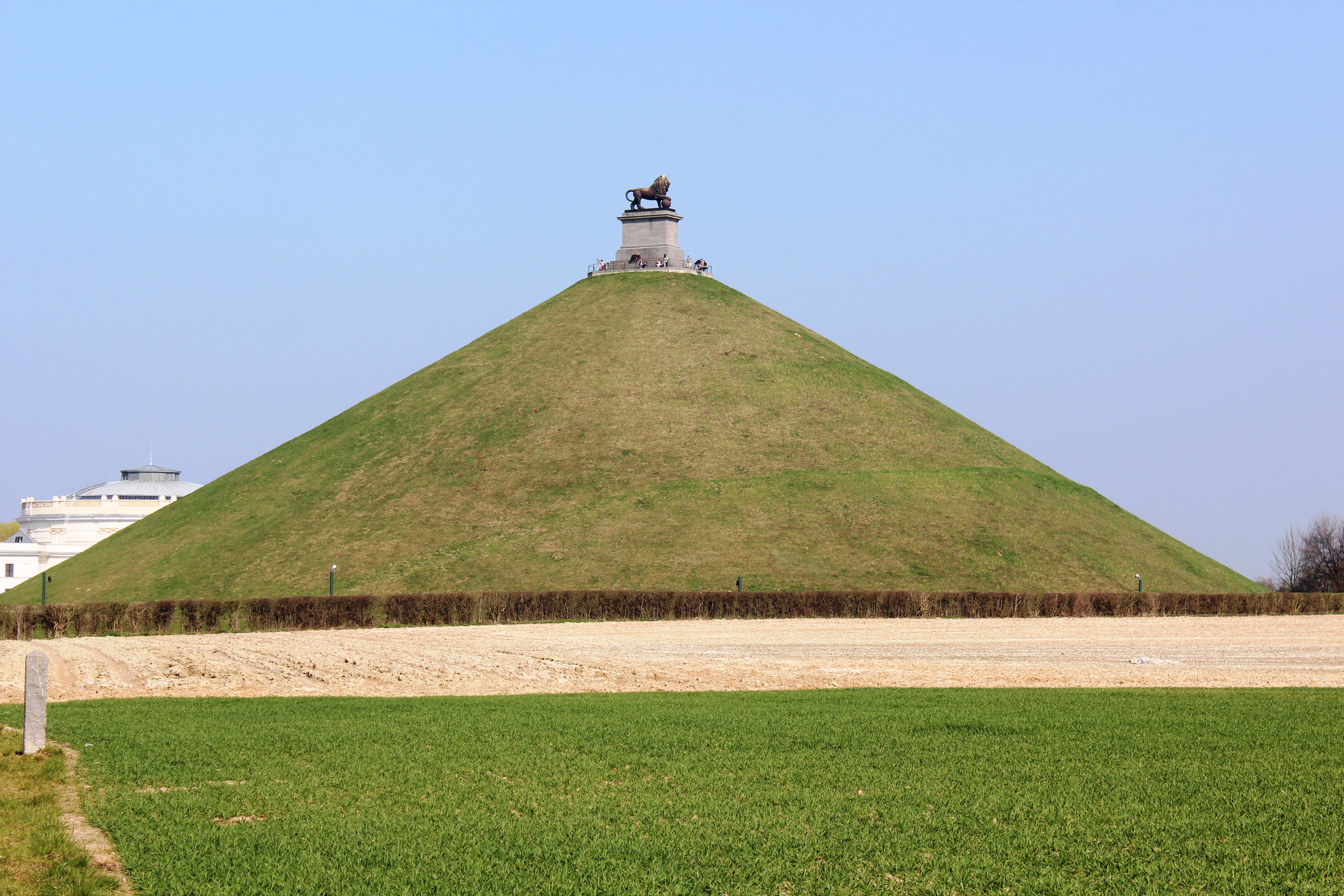
After a long and dark winter, Belgium finally started to get some sun and bright days. This Sunday, our family went to visit the historical battle ground of Waterloo in Belgium, which is only about 20 minutes drive from our house in Tervuren, Belgium.
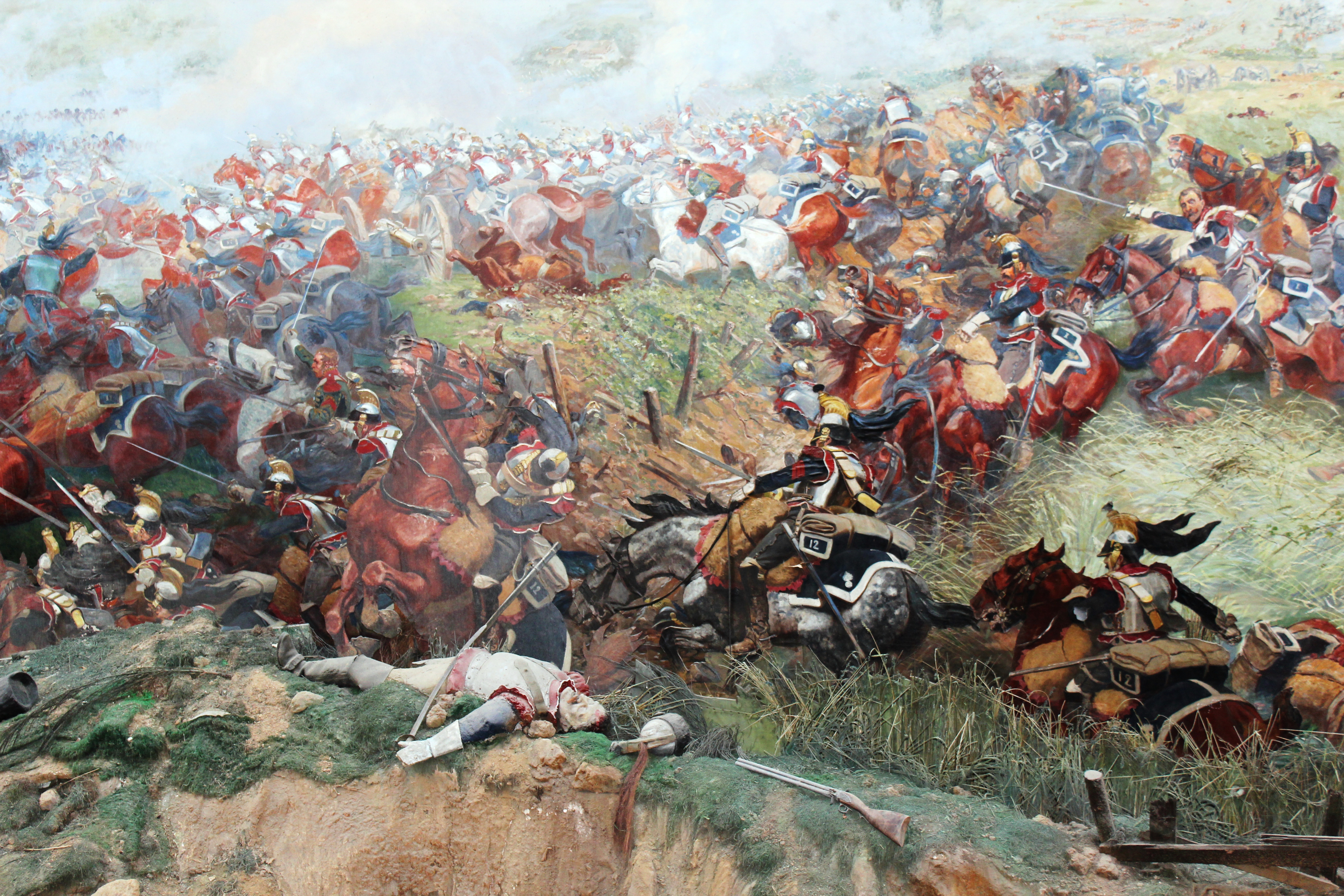
Just a bit of history on this place, the present day Waterloo, Belgium was part of United Kingdom of the Netherlands. The mighty French army under the command of Napoleon Bonaparte was defeated in this battle by the British army along with their coalition forces on Sunday, June 18, 1815.
The ticket to enter Lion Butte or the Lion Mound is 6 euros per person, which also includes access to the “Panorama“. We climbed 226 stairs to get an overview of the battle fields, position of the French army, British army and their allies. “The Panorama” gives the tourists a panoramic painting that depicts the Battle of Waterloo from 1815 A.D. There is also a trolley tour that takes tourists around the battle field giving some taste of the history of this important battle. But that only starts after Easter. The combined ticket price is 12 euros.
Enjoy the pictures…
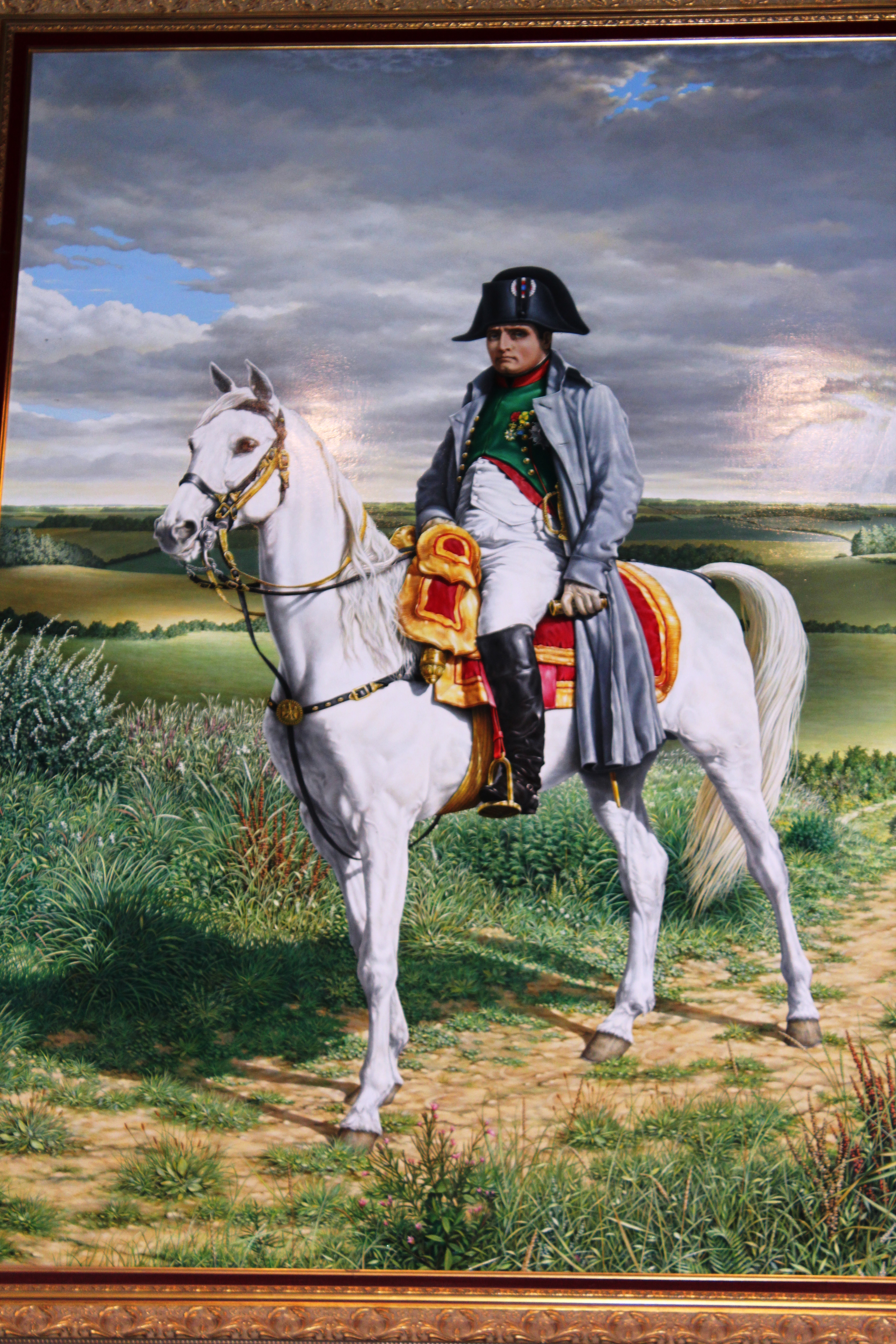
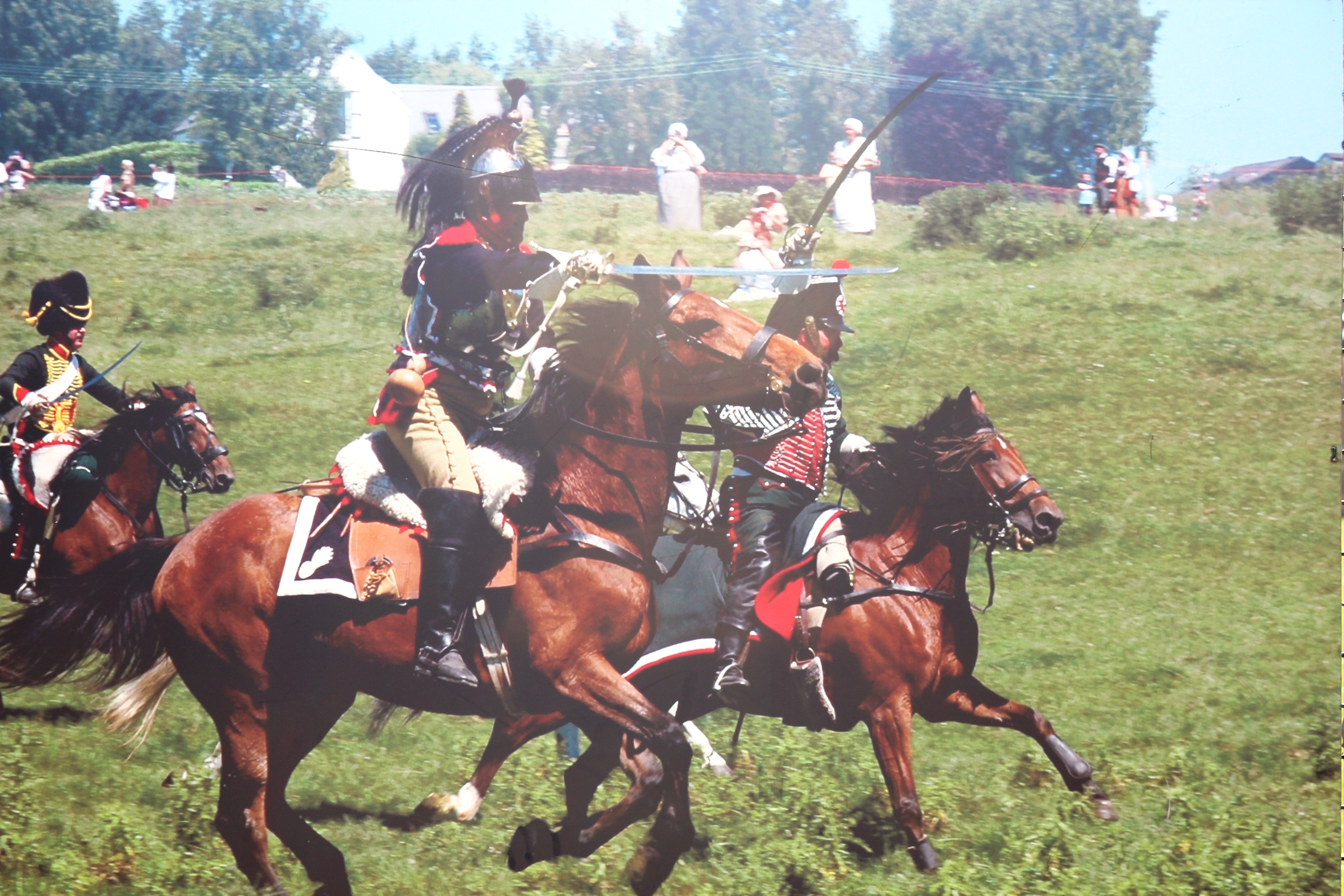
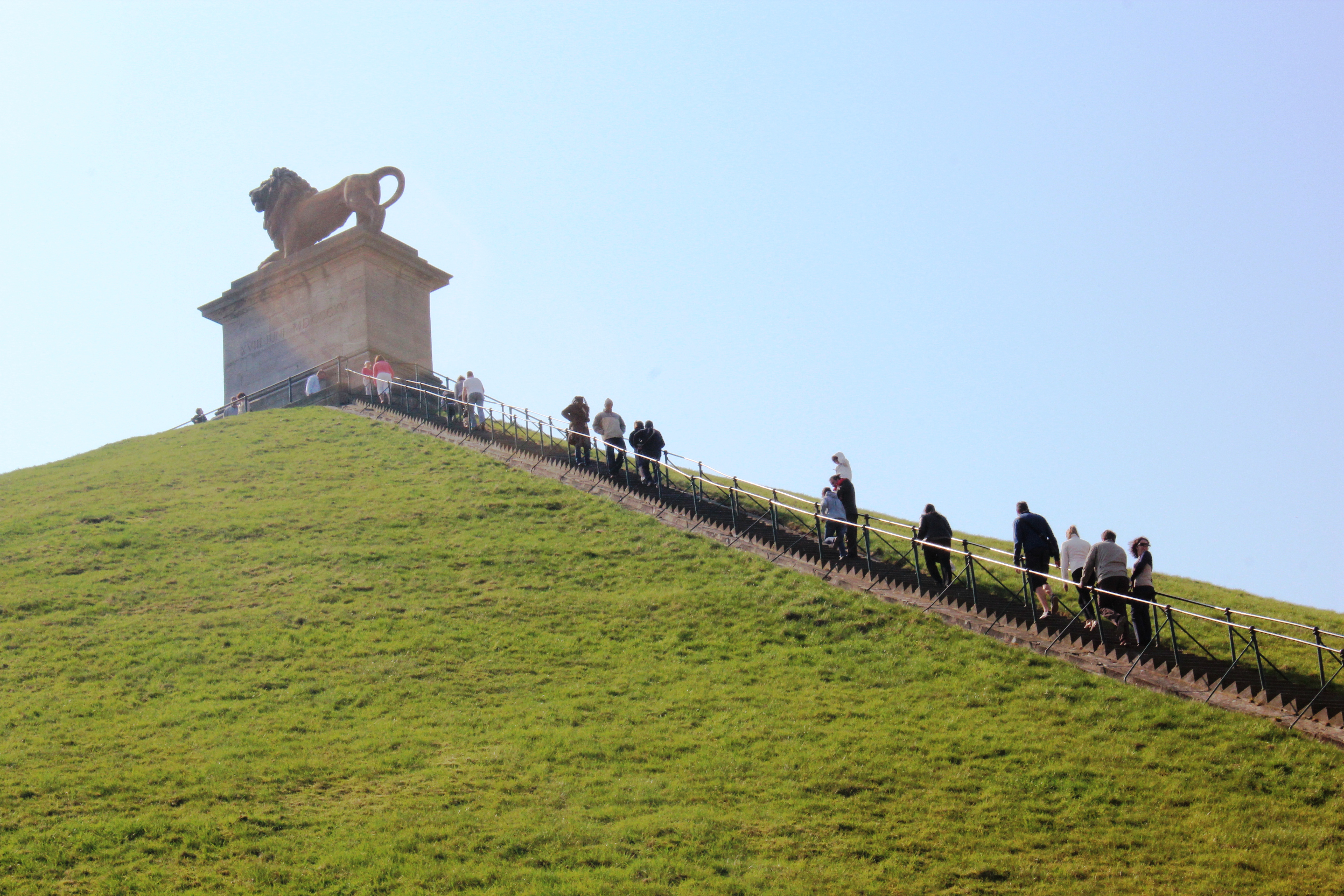
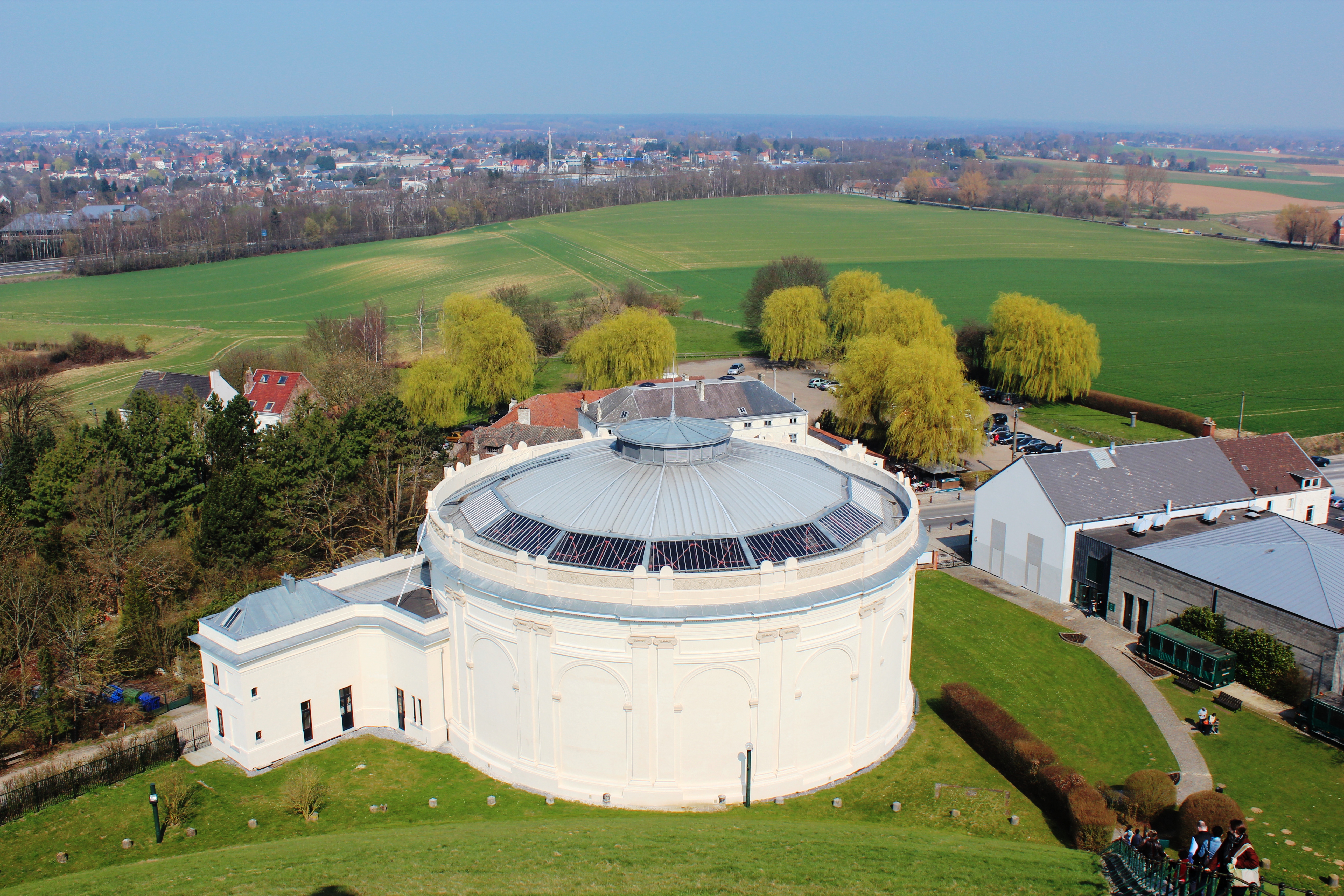
Related articles
- 10 Fun Facts About Belgium (journeyaroundtheglobe.com)
- Brussels Welcome Weekend (bestofbrusselsblog.com)
- Frites Forever (culturenerd.wordpress.com)
Share this:

Half a day in Doha, Qatar
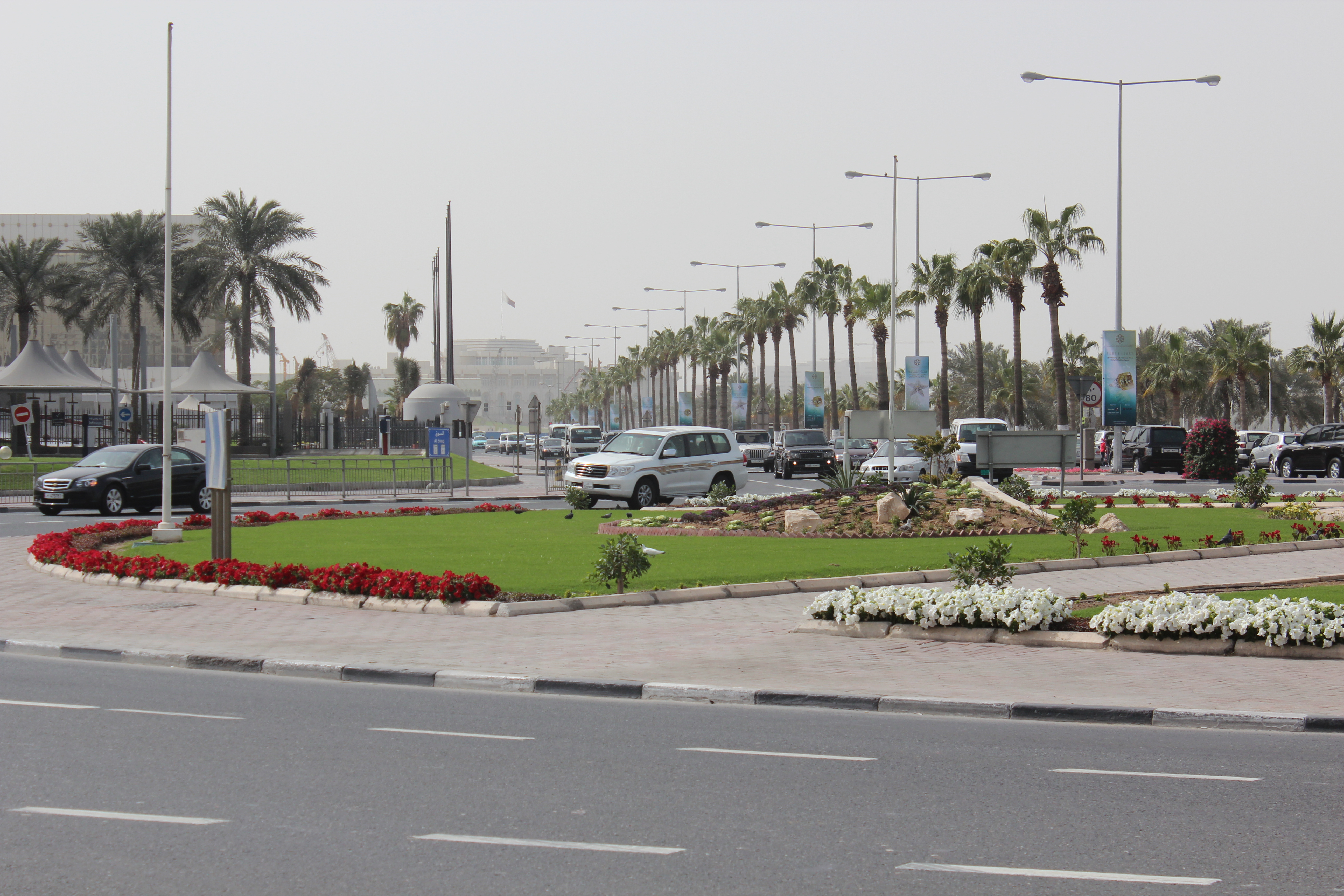
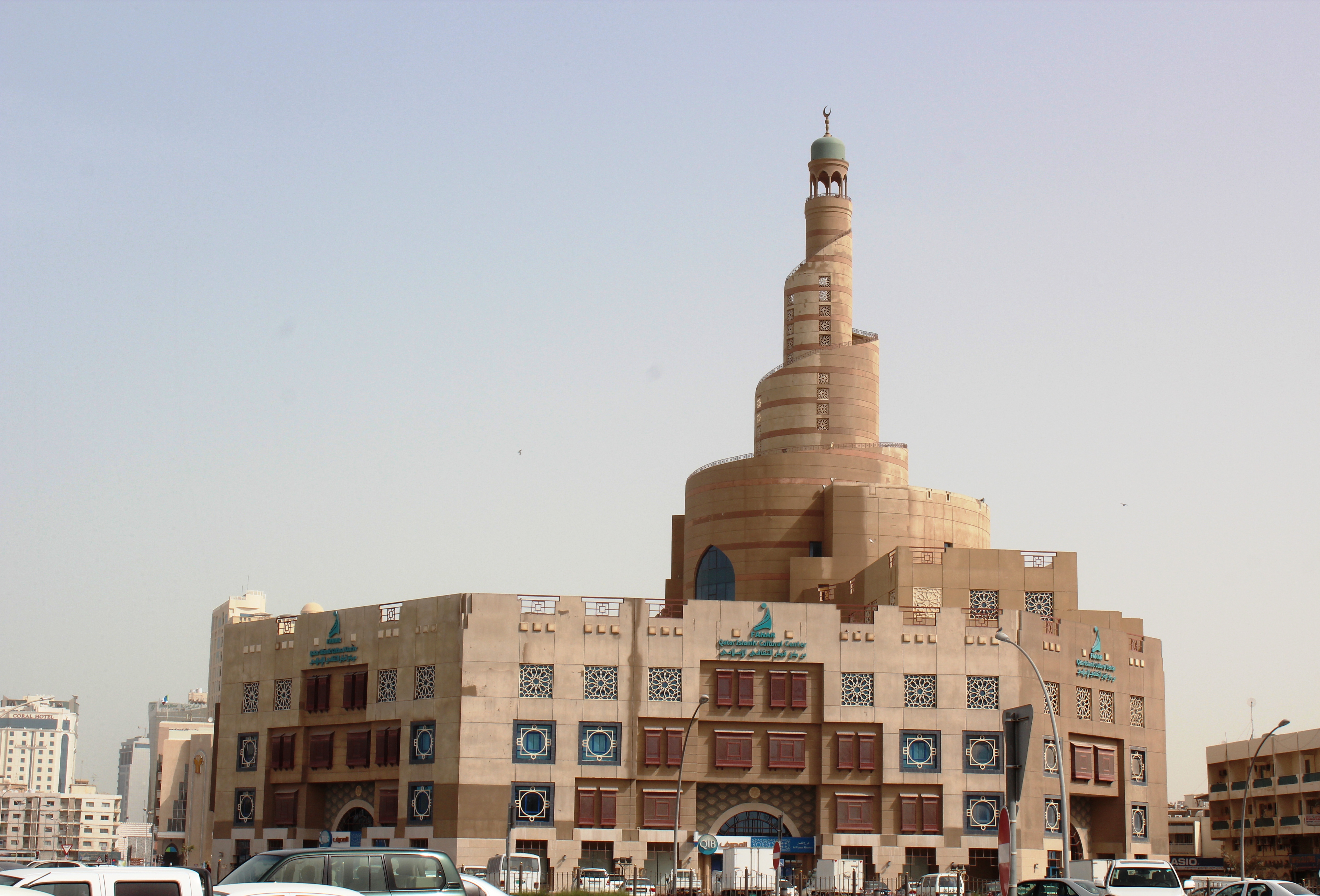
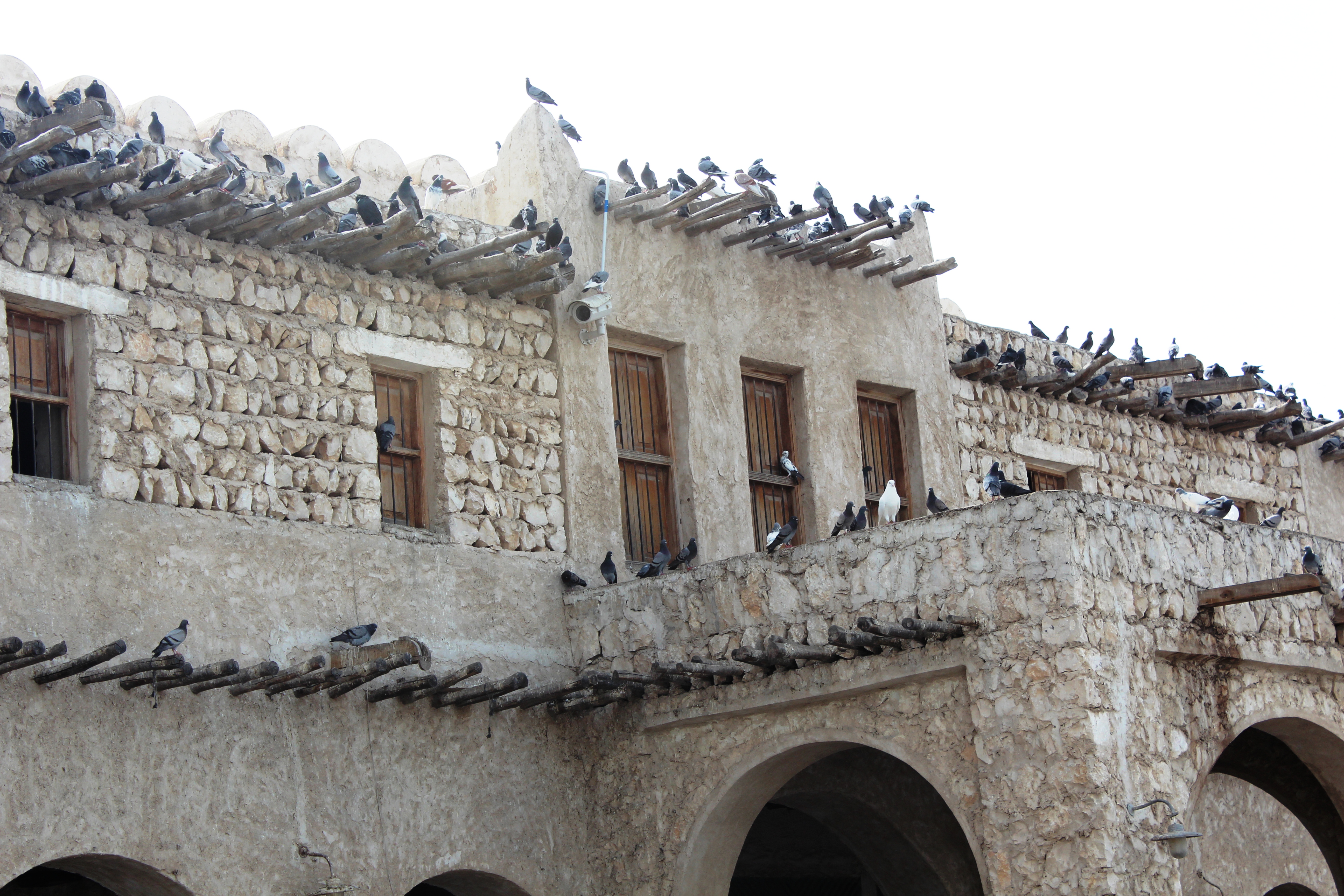
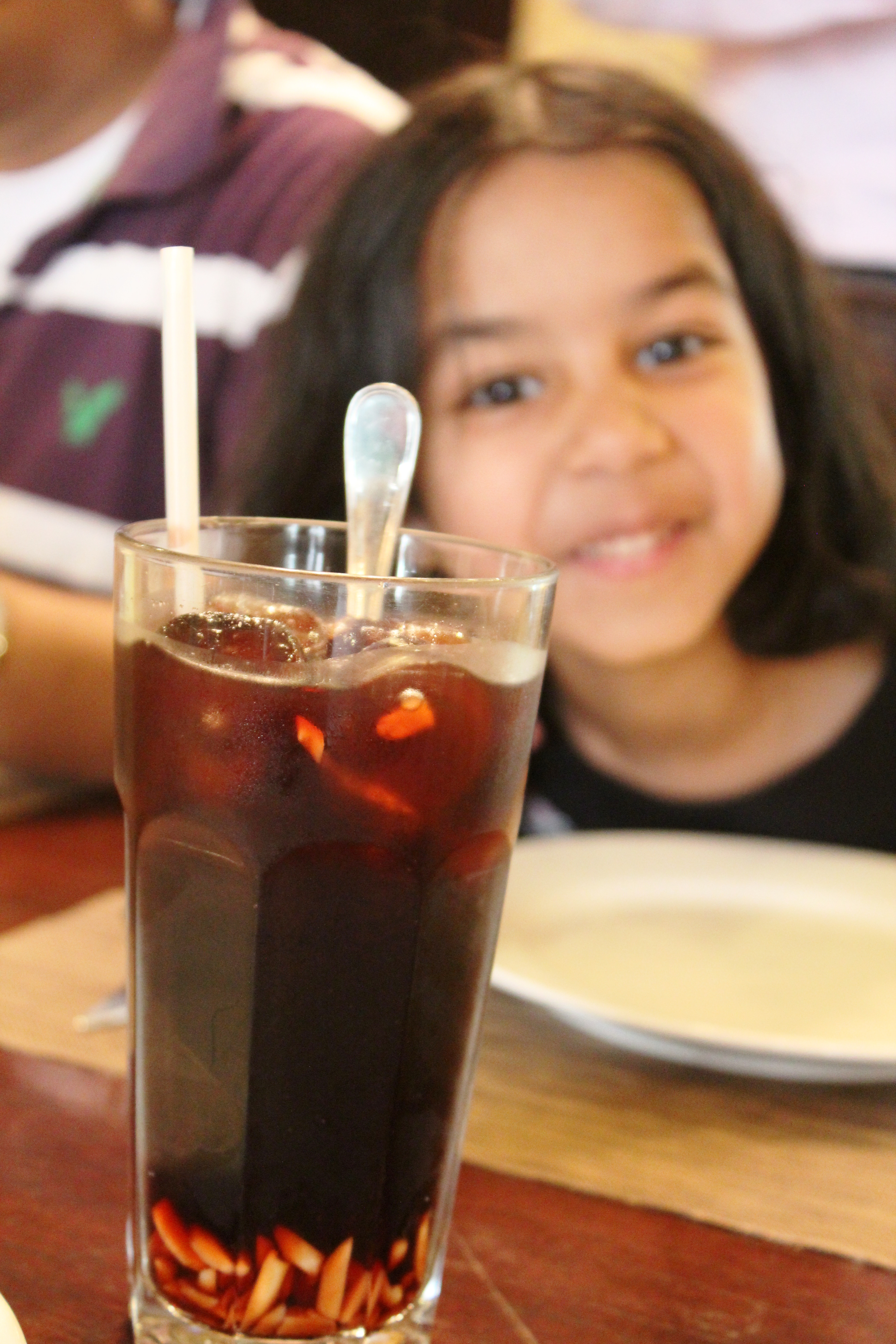
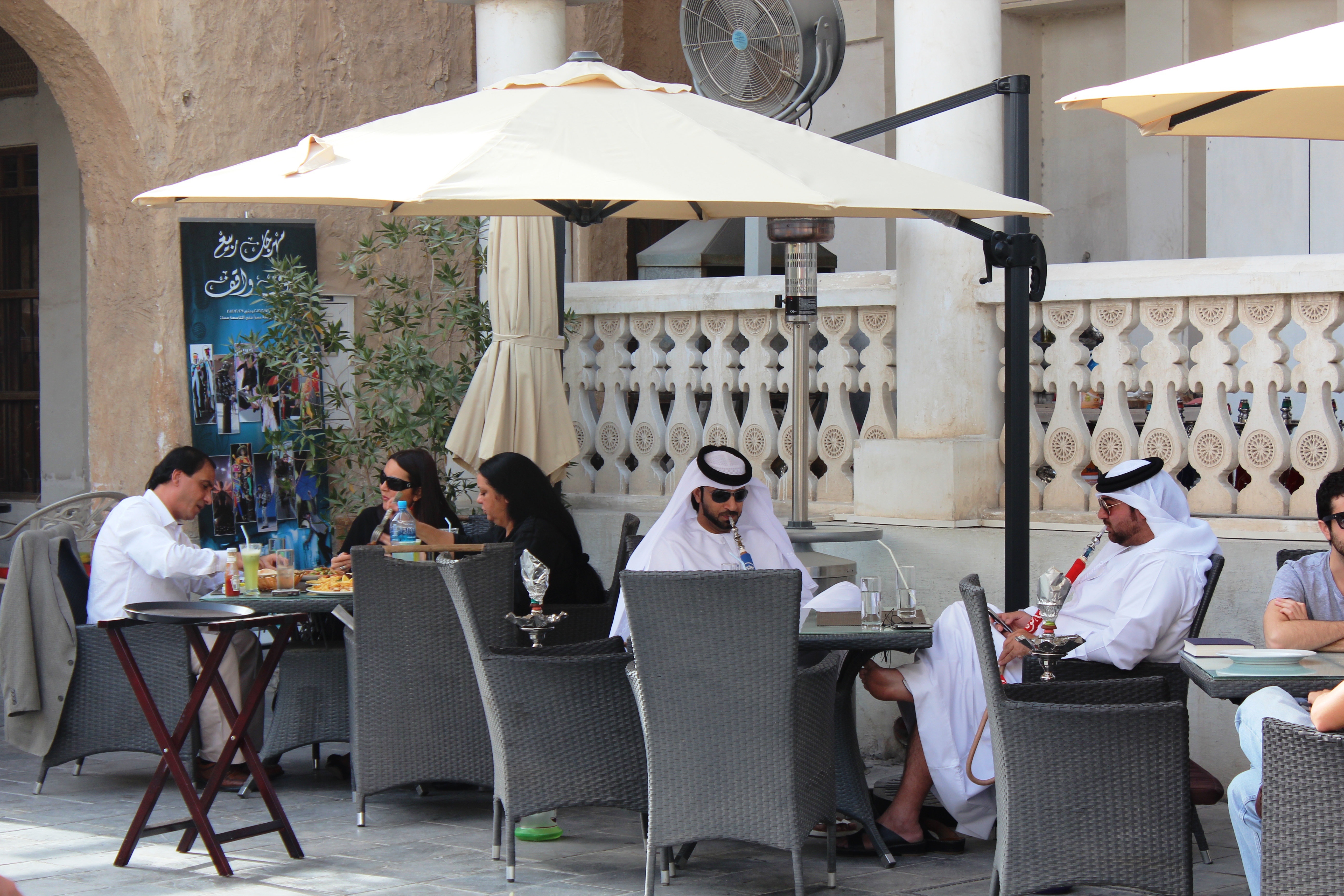
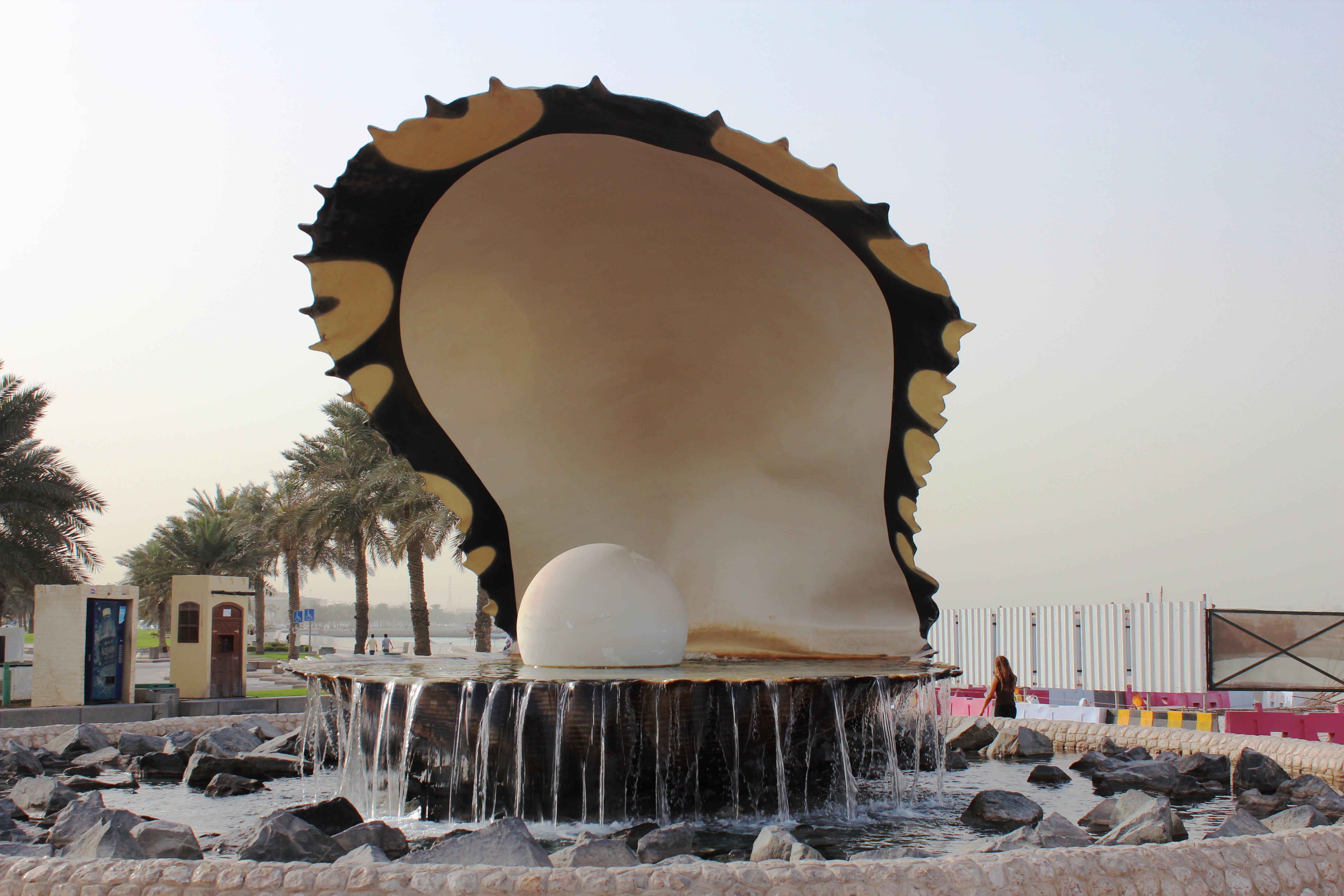
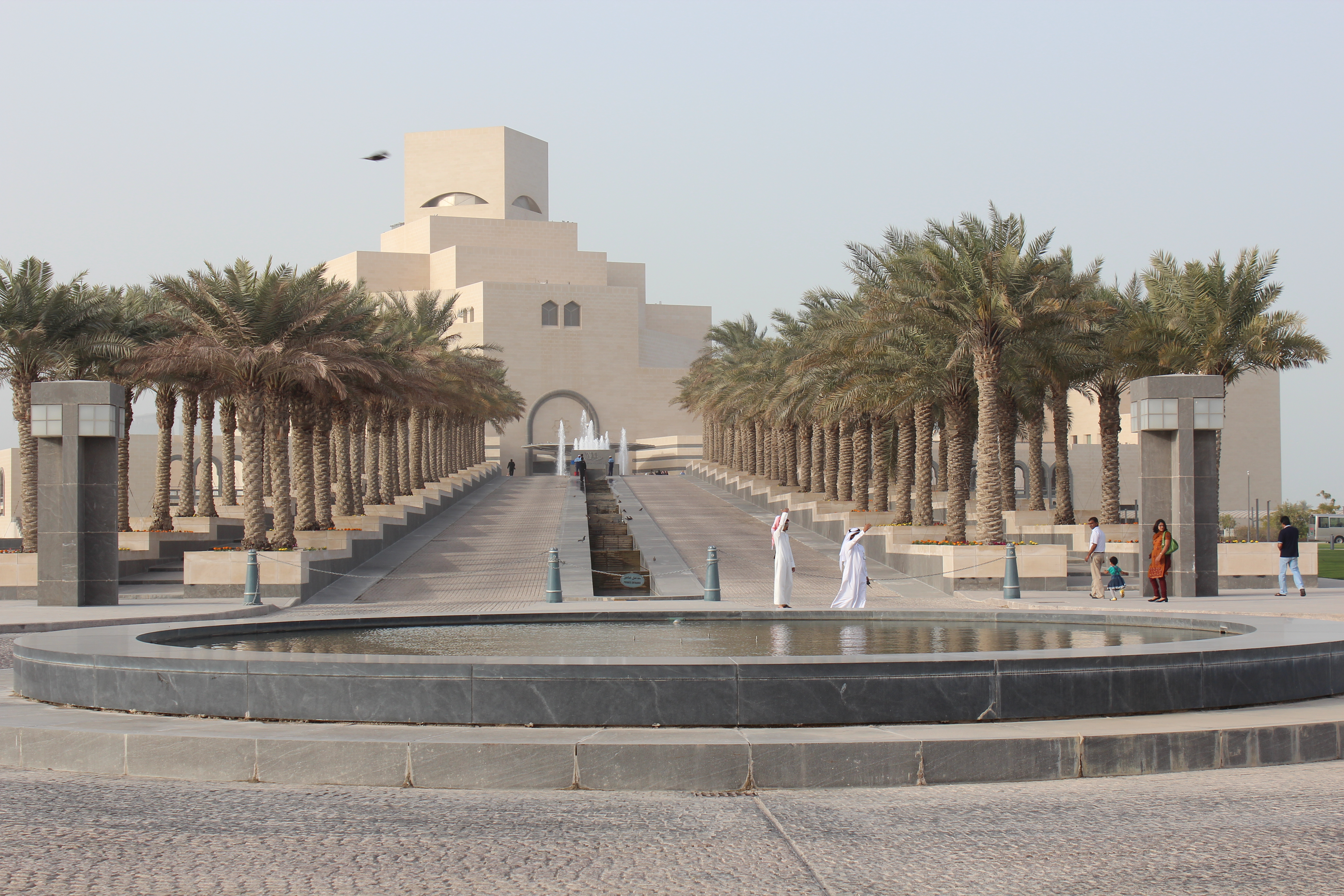
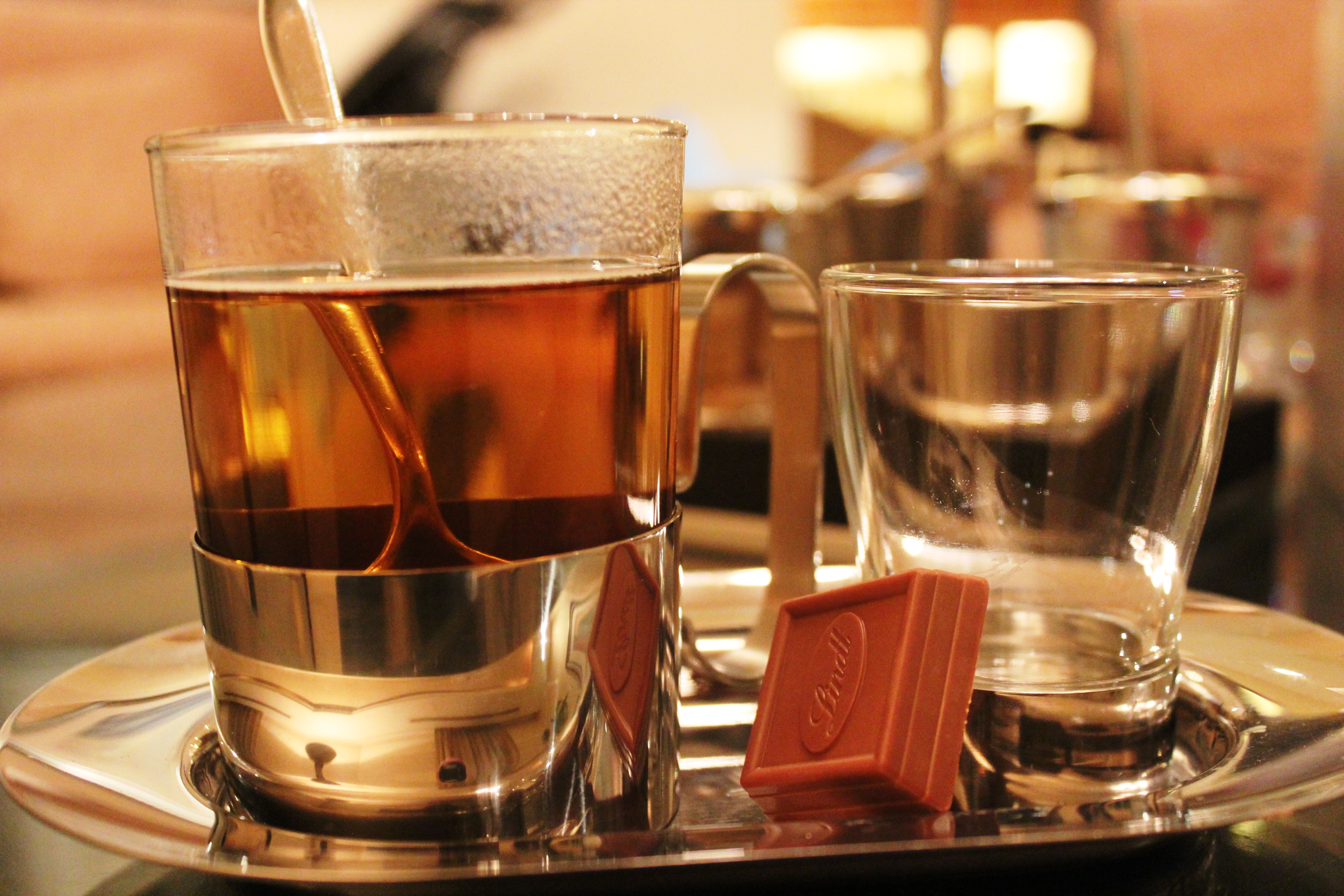
Just got back from Jeddah, KSA three days ago. On our way to Jeddah, we had a stop over at Doha Int’l Airport in Qatar for 22 hours. Ofcourse who would miss that opportunity to visit this small but rich and very organized country? We spent a night in Movenpick Hotel near the airport. Next day our flight to Jeddah was at night. So we had the whole day to roam around the city. Not to mention, going from below freezing temperature in Belgium to a hot place was simply fabulous. Hope you enjoy the following pictures while I work on the page on Doha, Qatar with travel tips and other info.




Related articles
- Doha Corniche, Qatar (memorazon.wordpress.com)
- Qatar to send first women to 2012 Olympics (seattletimes.nwsource.com)
- Three Hours in Doha (time.com)
- Traditional Souk Waqif still a draw in Doha | British Airways – Travel Industry News (travelnews.britishairways.com)
- Doha, Qatar – Doha, Qatar (travelpod.com)
Share this:

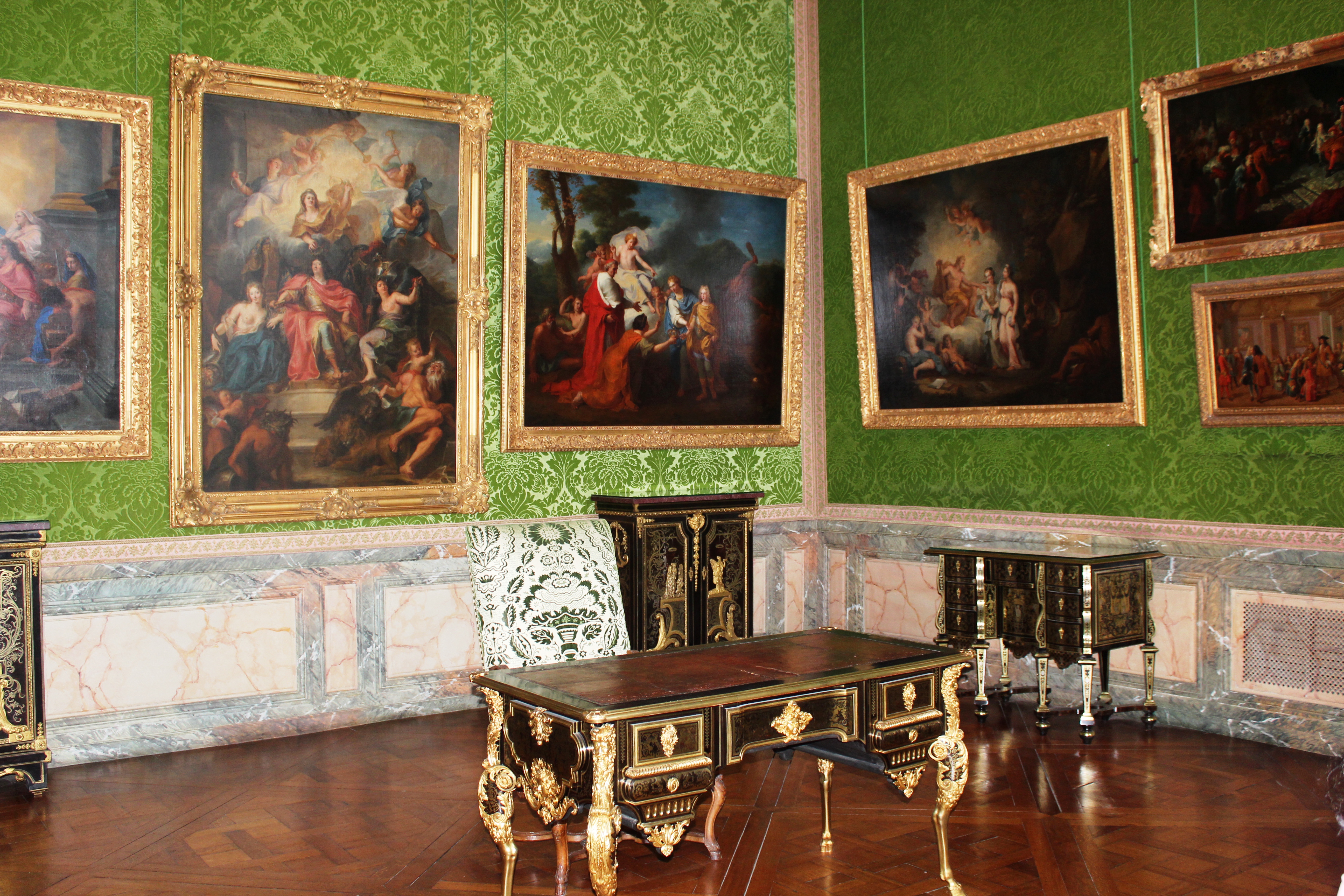
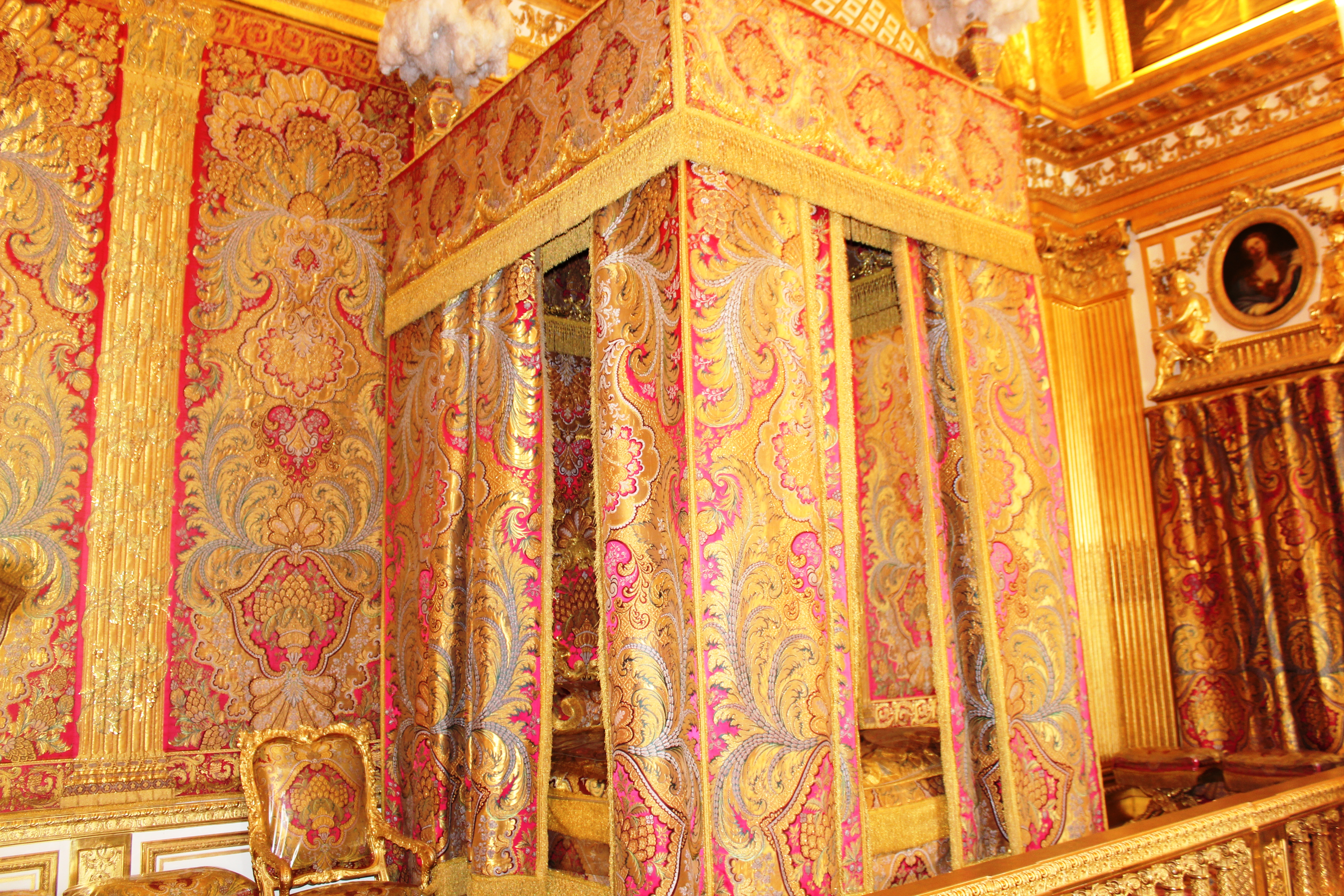
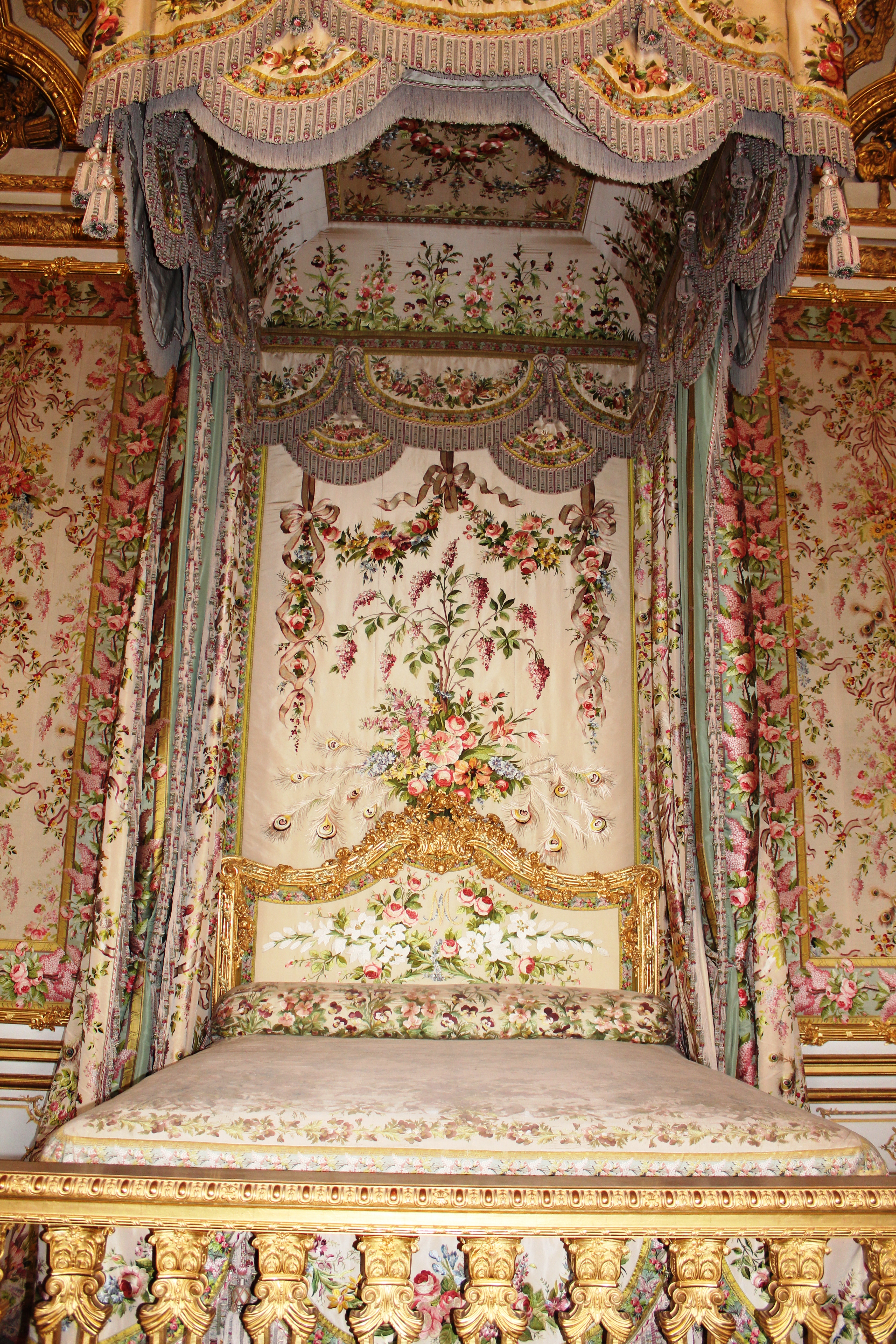
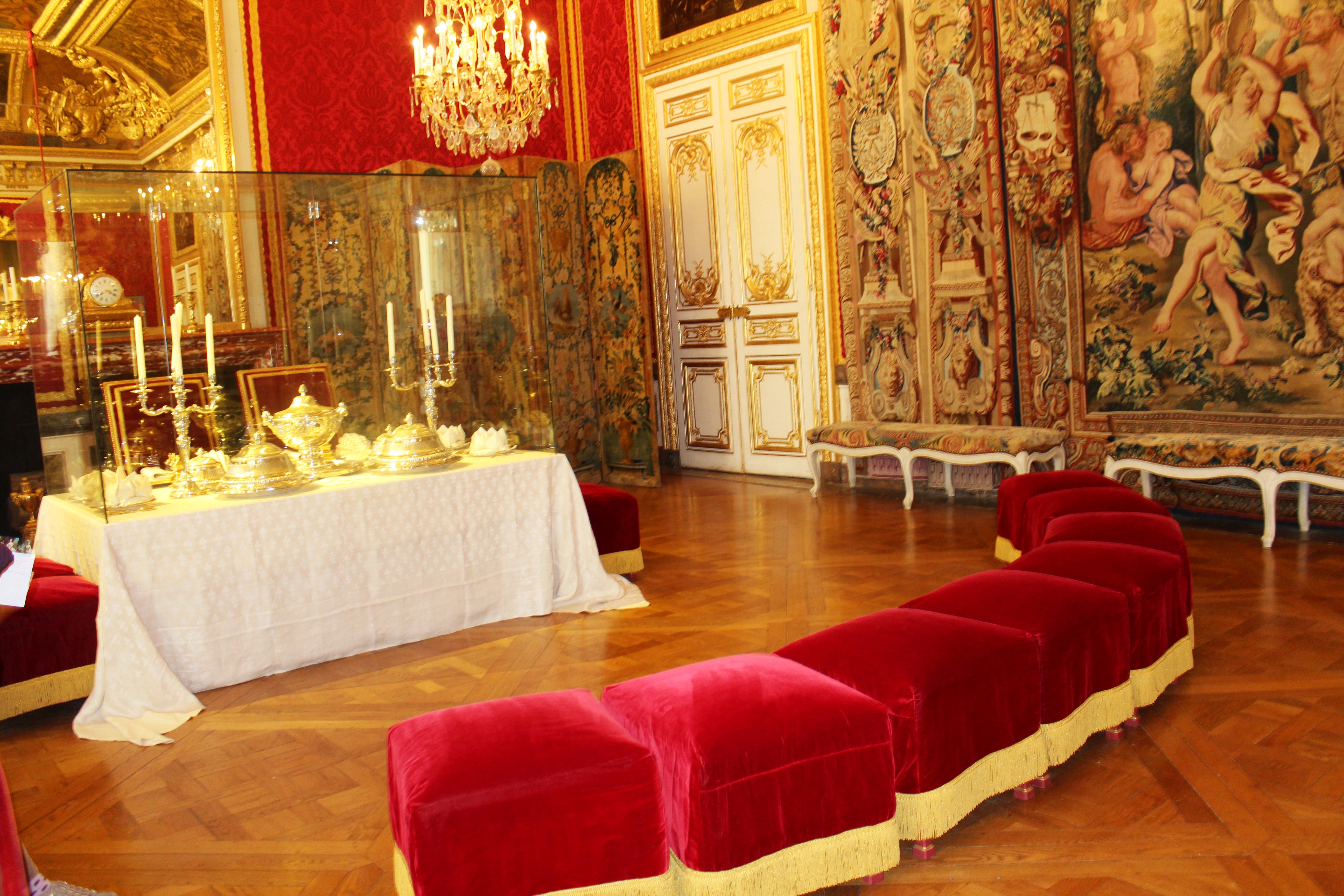
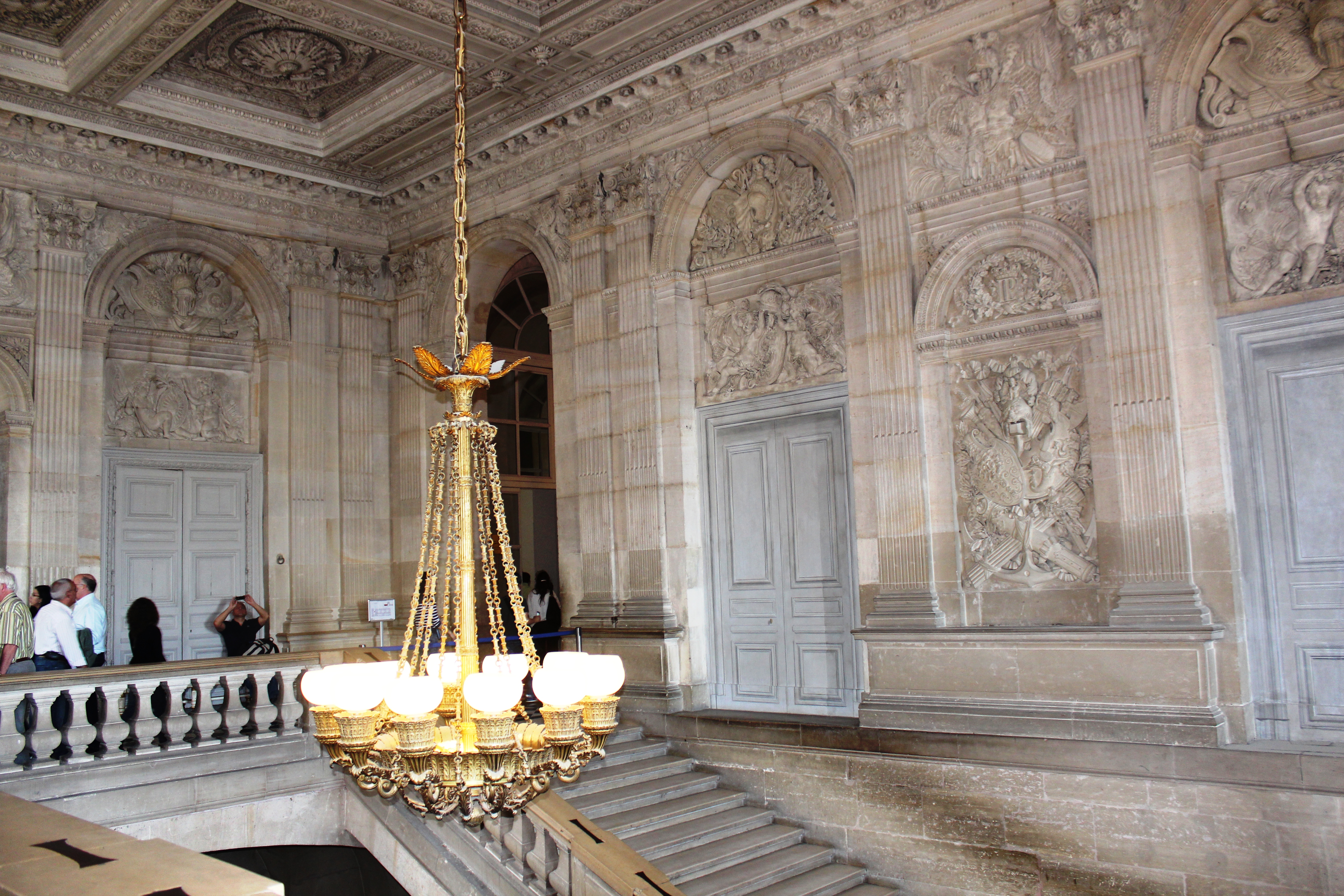
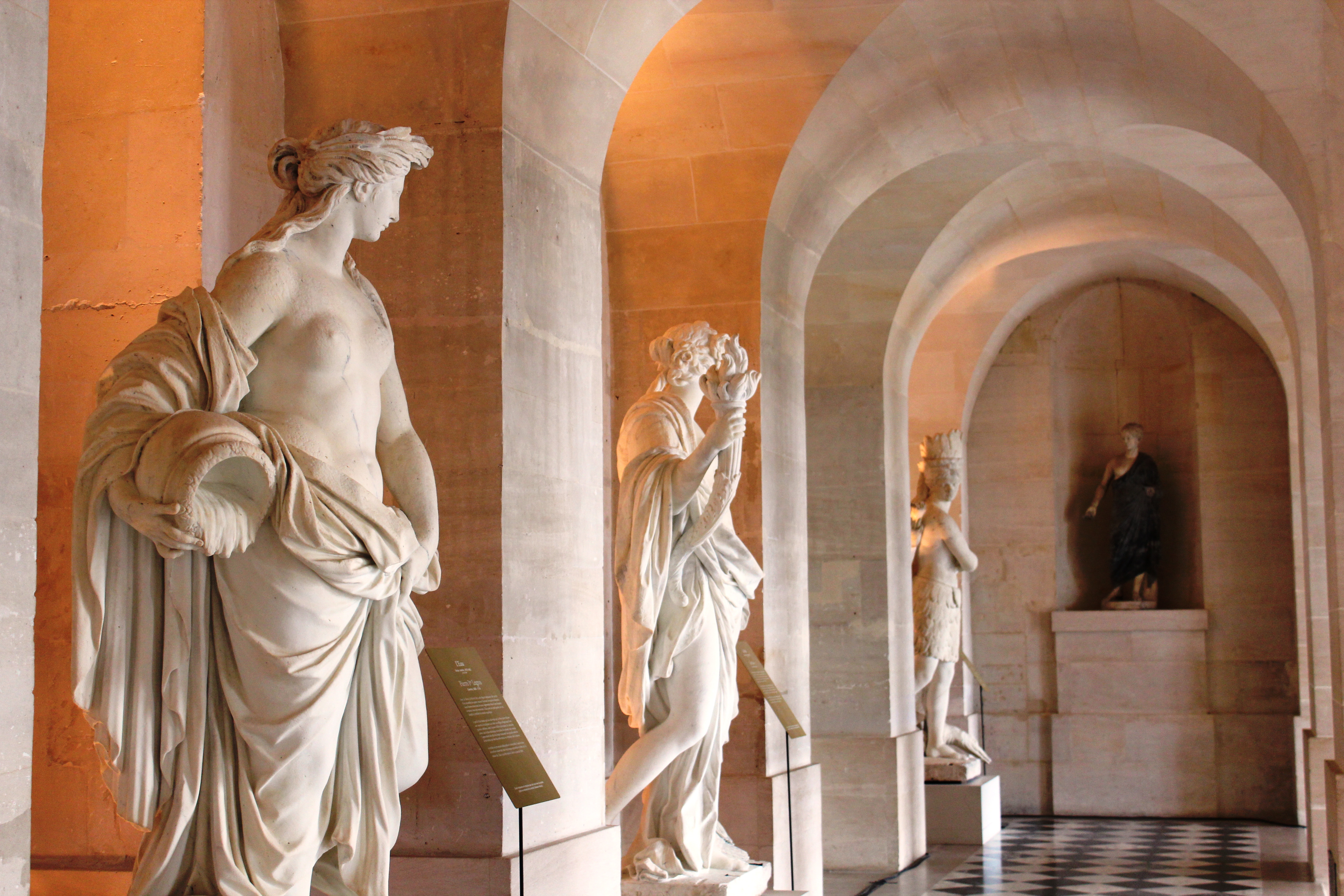
A day in the palace – Versailles, France
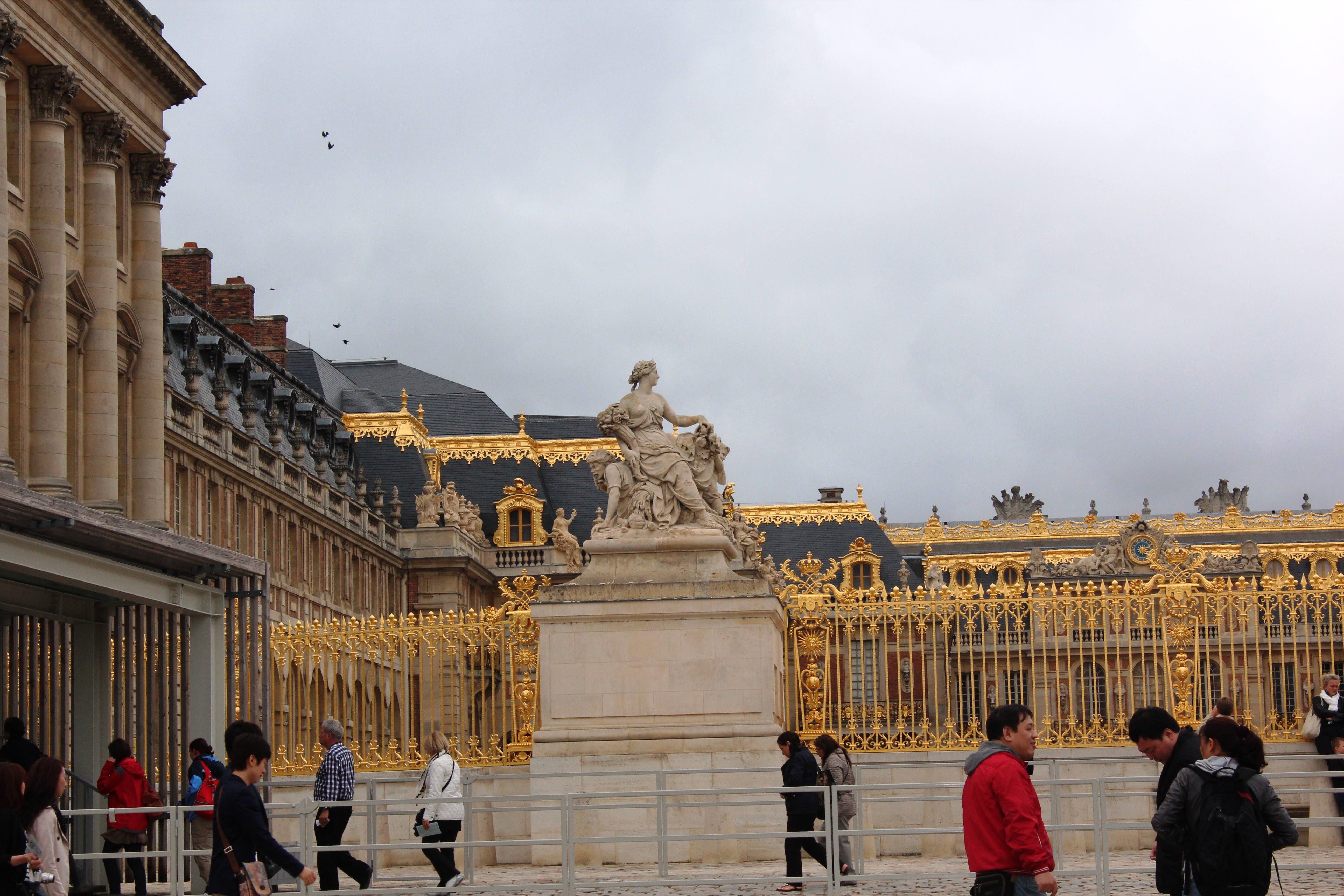
We went to Versailles in September of 2011. The trip was just for a weekend. We have been to Paris before but never went on top of Eiffel Tower. So, Saturday evening we went up to Eiffel Tower and Sunday we spent the whole day wandering around Versailles Palace inside and out. Versailles is not too far from Paris, may be an hour drive depending on the traffic. But it is worth spending a day looking few centuries back and feeling the luxurious lifestyle the kings and queens enjoyed once.
Just to give you a brief history on Versailles Palace, this was the center of political power in France from 1682 (when King Louis XIV moved here from Paris) to 1789 (when the royal family was forced to return to the capital). This palace is a symbol of absolute monarchy of Old Regime of France. This has been listed as an UNESCO World Heritage site for being one of the most beautiful achievements of 18th century French art.
Hope you will enjoy the pictures:
Related articles
- Walking into a Fantasy, The Palace of Versailles – The Chateau de Versailles (parisfrancehotel.wordpress.com)
- Remembering Paris:: Garden envy (whitetshirtsandpetals.wordpress.com)
- Palace of Versailles (travelingparis.wordpress.com)
Share this:

10 Fun Facts About Belgium
Belgium is a tiny country in Europe compare to some other big ones like Spain, Italy, Germany, France, U.K. But despite it’s size, this place has many things to offer including waffles, chocolates, diamonds, french fries, and many more countless things. No wonder this country is known as the “Essence of Europe“. I came across these facts on Belgium here and there. Most of them I experienced after being here for a while but some other facts I collected from various different places. eNjOy …
1) A country without Government: Yep, it is scary, but Belgium had no official government for close to 2 years now. No worries, everything is working just fine. The country is being run by a caretaker government.
2)Belgian Chocolates: Belgium produces around 220,000 tonnes of chocolate every year. That means, 22 kg of chocolate is consumed per person per year or 61 grams per day on an average. The world’s biggest chocolate selling point is Brussels National Airport (aha, not any Swiss airports. What does that tell you?)
3) The diamond capital: The world’s main diamond center and second largest petrochemical center is in Belgium. Almost 90% of raw diamonds in the world are negotiated, polished, and distributed in Antwerp, Belgium.
4) 3 official languages: Belgium has 3 official languages. Majority people speak Flemish, which is a local dialect of Dutch, then French is the 2nd most popular, finally very small percent of Belgians (may be 1%) speak German. Luckily, most of the locals can speak Flemish and French very well along with English in cities like Brussels, Brugges, Gent or Antwerpen…good for the expats.
5) Education Law: Education is compulsory in Belgium upto the age of 18, which is the highest in the world.
6) Heart of Europe: Brussels is not only the capital of Belgium, but also the capital of European Union (EU) and houses the headquarter of NATO. That’s why Brussels is called the “Heart of Europe”.
7) Royal Palace of Brussels: The Royal Palace of Brussels is 50% longer than Buckingham Palace.
8) Quality of Education: A 2007 UNICEF report on child well-being in rich countries ranked Belgium as the best country for children’s education well-being.
9) Belgian Frites: Belgians should be given credit for their “French Fries“. It wasn’t France who came up with fries at the first place. Foreign soldiers in Belgium saw French speaking people eating/serving fries (“frites” is what we call here) and that’s where the “French Fries” name came from. Oh, one more thing, in Belgium fries are eaten with mayonnaise, not ketchup, which actually tastes wayyy better.
10) Belgian Waffles: There are 3 main sorts of Belgian waffles: Liege waffles, the most common ones and are eaten more like cookies, have small bites of sugar cyrtals in them. Brussels waffles, my favorite ones, are usually bigger, lighter, rectangular, and eaten with various toppings like fruits, ice cream, nutella. Galettes, haven’t tried this yet, are thinner, softer, and typically eaten for breakfast, sometimes with jam.
Along with the above facts, a Belgian – Adolphe Sax invented saxophone, the first printed newspaper was published in 1605 in Belgium, oil painting was invented here in the 15th century. One more thing I have to mention is that Belgium produces the highest number of comic books in the world (even more than Japan). Belgians are so crazy about comics books that the even have a museum dedicated to those comic lovers. One of the most famous comic hero is Tintin (remember him?), who was a Belgian…
Related articles
- Waffle Makers To Make Terrific Waffles For Anyone In Your Household (mydecorarticles.com)
- Belgian Chocolates Are Best Enjoyed in Belgium (seattlefoodshed.wordpress.com)
- Belgian Fries (neatorama.com)
- Wafels & Dinges Introduces De Kompleet Wafel Kit (prweb.com)
- Bonjour from the parliament! (theeuropecorrespondents.wordpress.com)
Share this:

Business Excellence Award 2020 from AI Global Media for The Most Entertaining Personal Travel Blog – Pacific Northwest USA

Top Posts & Pages


Authors
 Globe Runner
Business Excellence Award 2020 for The Most Entertaining Personal Travel Blog – Pacific Northwest USA

Business Excellence Award 2020 from AI Global Media


