Journey Around The Globe
ready for the next destination
America’s 2nd highest year-round water falls – Multnomah Falls in Oregon
MULTNOMAH FALLS, OREGON: I have visited this magnificent landmark of Oregon few years ago before moving to Europe. We have been here few times with families, friends, and visitors. But everytime I was there, no matter which season and time, I could feel the force of that flowing water just by looking at its height. But one of the best parts of visiting this falls is not just the falls, it’s the bridge and walking over that bridge looking at both upper and lower sides of the water falls.
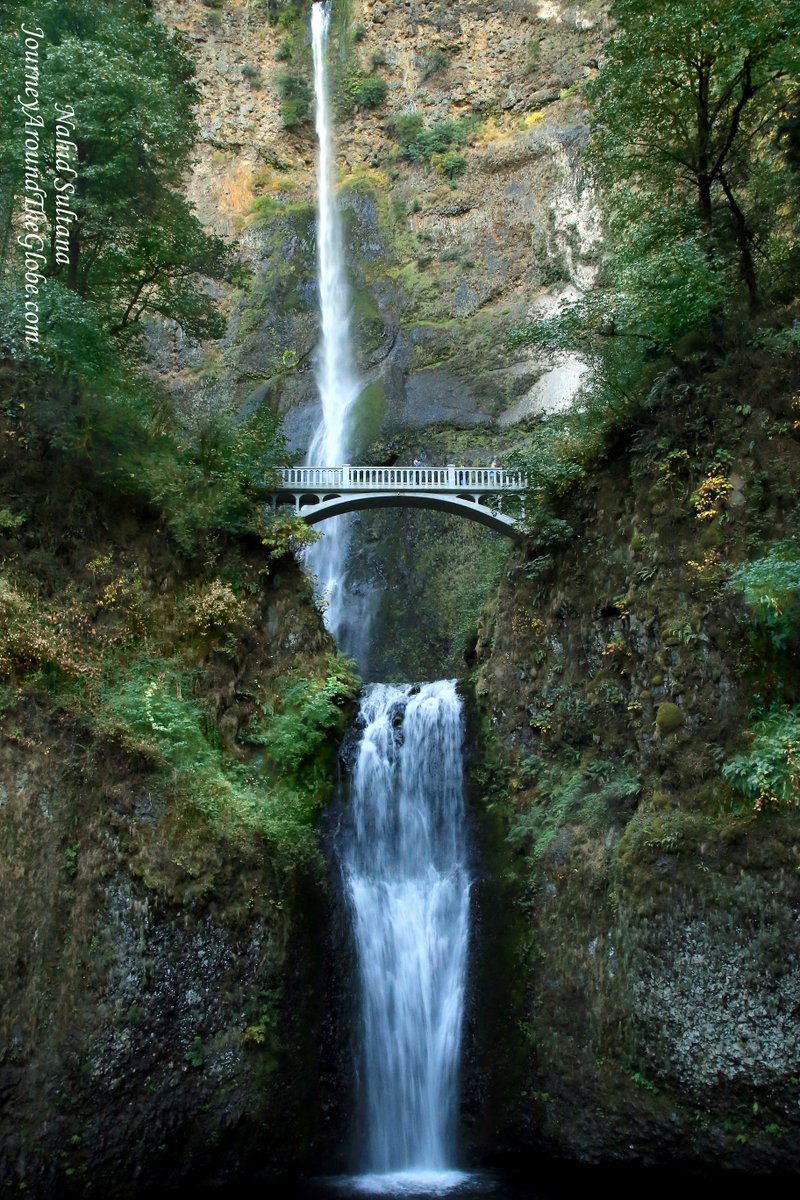
Located on historic Columbia River Highway, Multnomah Falls is our nation’s 2nd highest year-round water falls and receives over two million visitors each year. Water flow of the falls varies, but winter and spring is the most spectacular time to visit it.
The upper falls here is 543 feet, lower falls is 69 feet high, and an additional 8 feet in between. “Multnomah Falls was created when massive flood scoured out the Columbia River Gorge, leaving the falls to hang.” (Tourist board).
The original bridge over Multnomah Creek was built in the early 1880s out of log poles. After it collapsed, this present one was built in 1914 and was named after a strong advocate for the Historic Columbia River Gorge Highway and Multnomah Falls, Simon Benson. In September 1995, a 400-ton rock slid from the upper Multnomah Falls and dropped 225 feet into the falls upper plunge pool. A wedding party was drenched when the slided rock sent a 70-foot splash over the historic Benson Bridge.
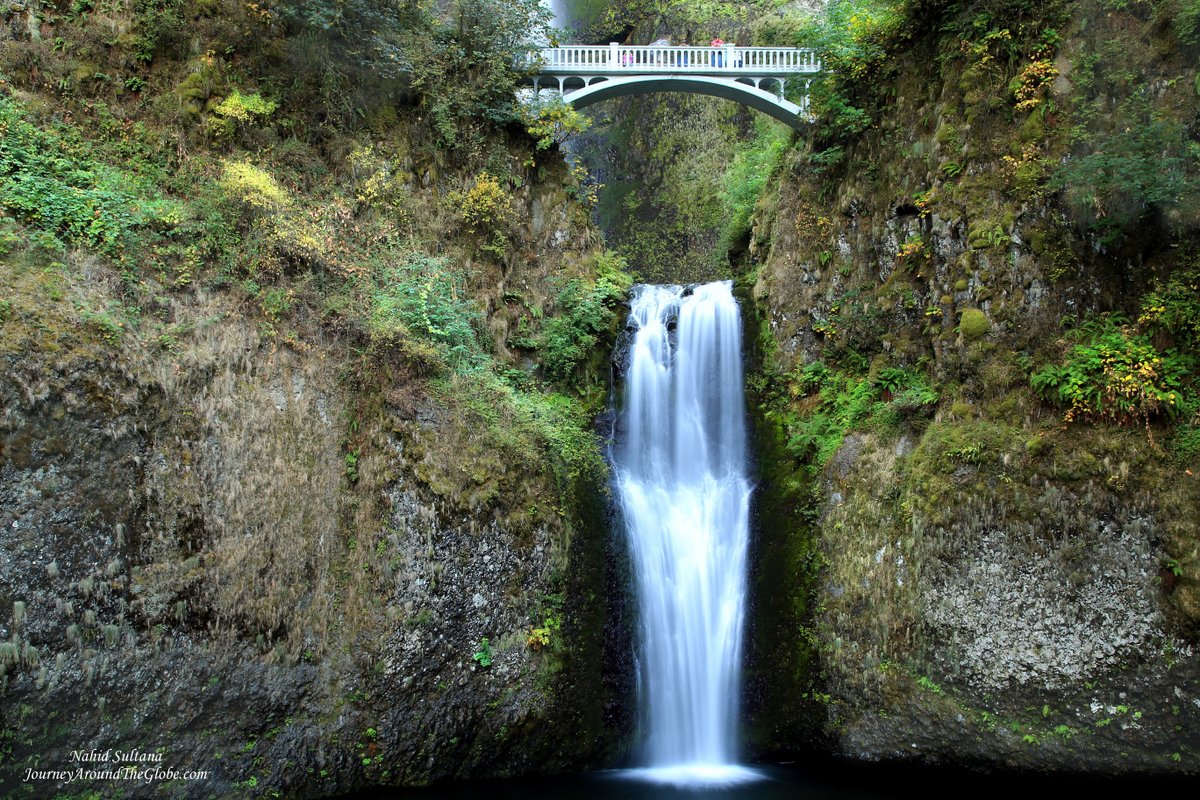
Go inside the old lodge which was built in 1925 by the city of Portland to capitalize on the growing tourist trade of the Columbia River Gorge. You can find snack bar, gift shop, full-service restaurant, and a US Forest Service interpretive center inside this lodge.
There are about 77 falls on the Oregon side of the Columbia River Gorge and more than 5 major falls and few viewpoints around this area. But if you are in Portland, this is almost a must-see spot here. It’s our pride and joy.
Share this:

Lan Su Chinese Garden in Portland, Oregon
LAN SU CHINESE GARDEN: I enjoy visiting Chinese or Japanese garden more than any other types of gardens there are to visit. I don’t know if it’s the landscape, sound of the water, small bridges, ancient architecture style, fountains, collection of trees, or just the atmosphere that attracts me the most. The only oriental garden that we visited in Europe was Hasselt Japanese Garden in Belgium. I regret not seeing the one in the heart of Brussels; we made couple initiatives to visit it…but never worked out.
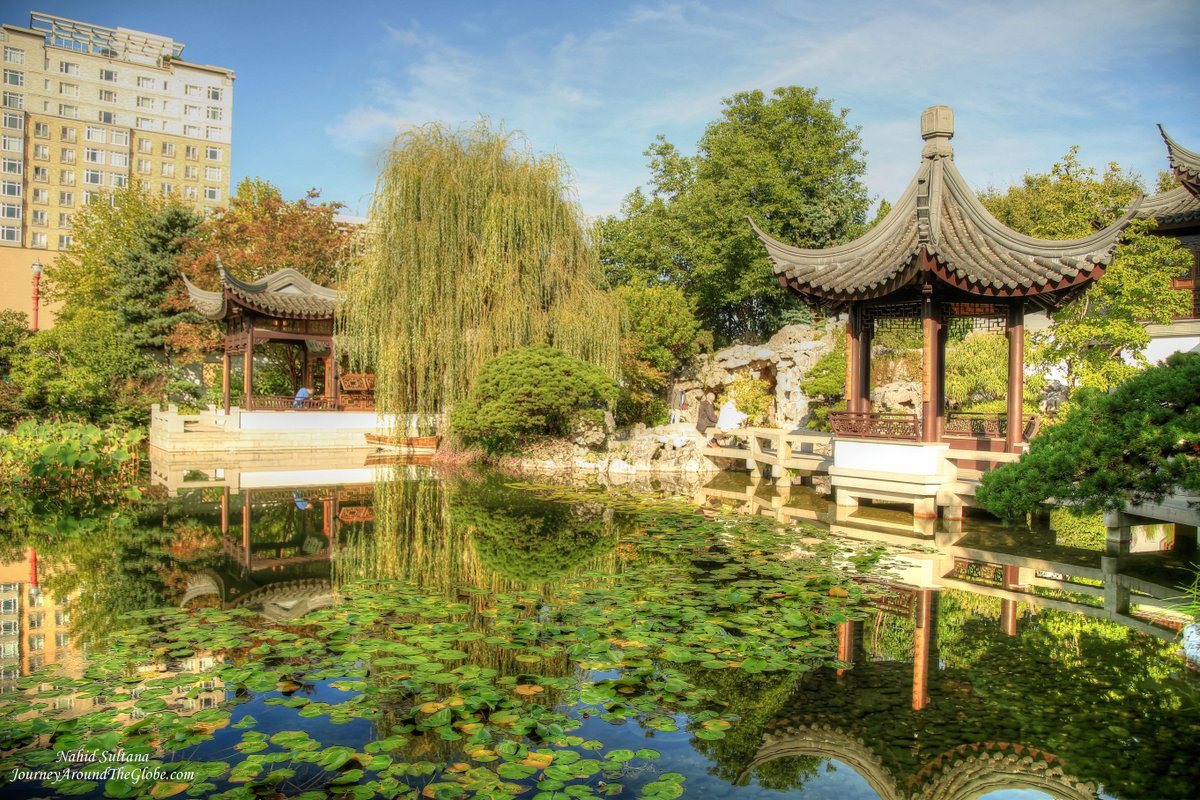
After returning to Portland, I was determined to pay my visit to Lan Su Chinese Garden for the second time (first time we went there was about 4/5 years ago). I was supposed to go for a photo-shoot (just my camera and I) that morning but somehow ended up in Pearl District near Portland downtown. After making some frustrated turns, I saw the sign to this garden. I quickly searched the address in my phone and started following my GPS. I was destined to visit this place that morning, and I was happy that I ended up here.
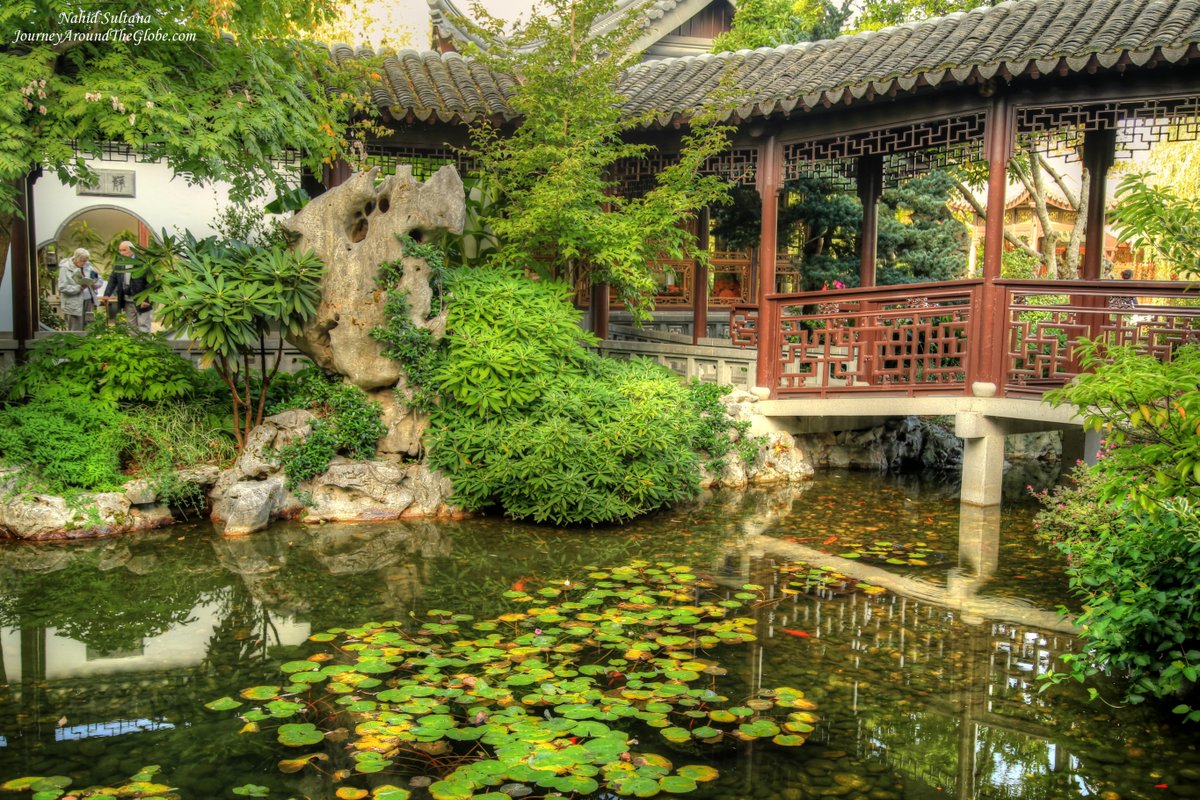
Lan Su Chinese Garden is a piece of wonderland that gives you the opportunity to peek into Chinese culture and heritage in the heart of busy Portland in Oregon. The garden was built in 2000 by expert Chinese artisans using traditional materials and methods. It took sixty-five artisans for 10 months to assemble and complete the structures that were crafted in China. It’s considered the most authentic Suzhou-style Chinese garden outside of China. Most of its building materials, including few hundred tons of rocks actually traveled from China.
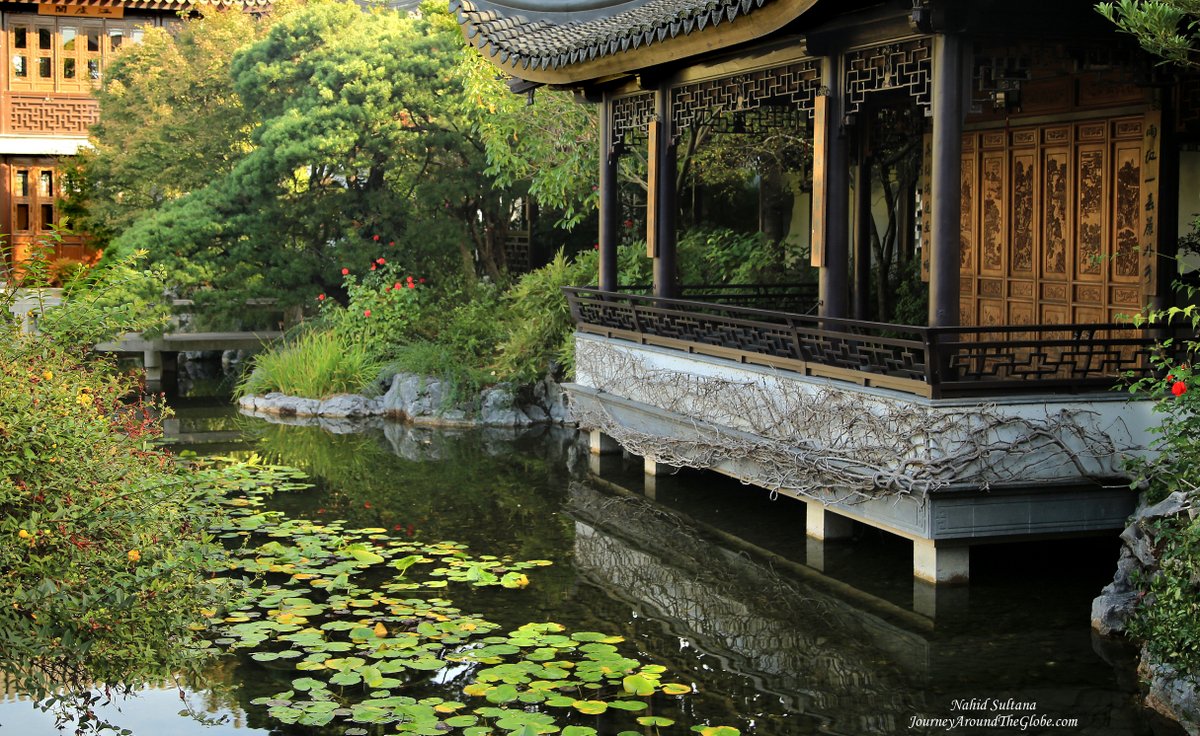
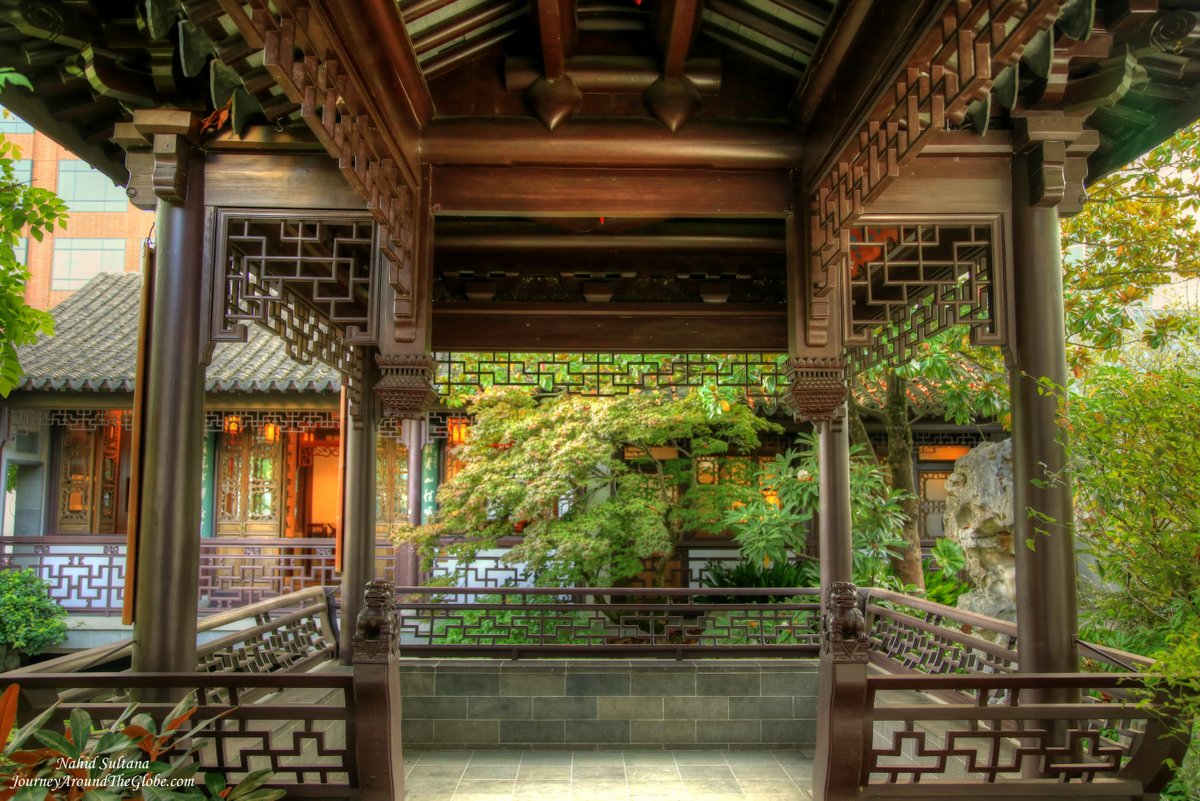
Other than few hundreds of plant species, visit the Courtyard of Tranquility, terrace, Moon Locking Pavilion, Rock Mountain and Waterfall. Don’t miss the carved ginkgo wood or some penjing that contains trees that are over one hundred years old. The garden around you is a spiritual and peaceful place that will help you escape the daily lives. When you are done with everything have a cup of hot tea in the Tower of Cosmic Reflection tea-house. The tea-house is a separate entity which promotes social art and culture of tea from the Far East.
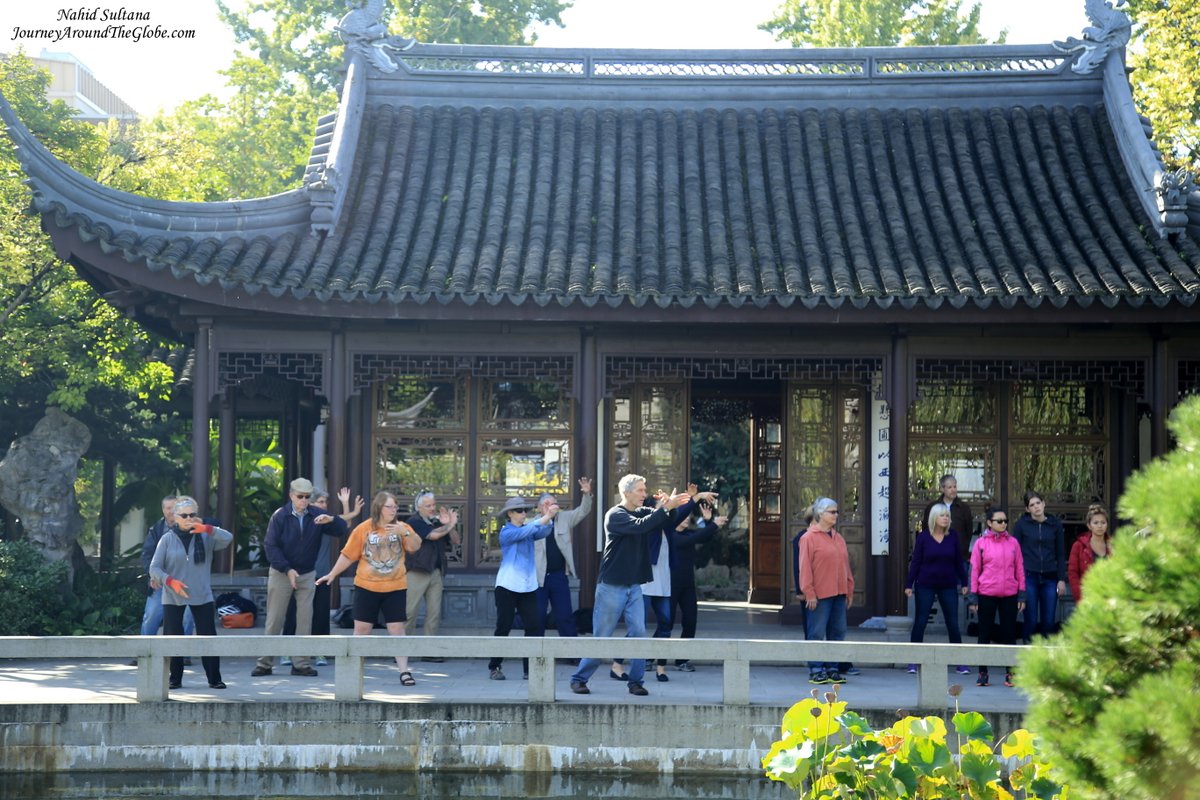
The ticket to the garden is around $10. I ended up buying their annual membership for $60. I wanted to take advantage of their free Tai Chi class every Thursday morning at 10am which is available for anyone.
Share this:

Few hours in Nancy, France
NANCY, FRANCE: Nancy is an elegant medium-sized French town in the region of Lorraine. The city is famous for some of its architectural masterpieces. You can see touch of both medieval and Renaissance in its old part. Nancy is also considered as an Art Nouveou jewel in this region of France. Being a university town, its old town offers a melting pot atmosphere for Nancy’s students, locals, and tourist.
TIME of TRAVEL: Nancy was the last stop on our summer road trip of 2014. The main highlight of this trip was visiting Mont-Blanc…the highest peak of the Alps. We also visited Annecy, Chamonix, and Dijon before coming to Nancy. It was a nice weather but Nancy looked a bit slow and less-crowded when we were there.
EATING and SHOPPING: We really didn’t eat anything here, except for our girls who had sandwiches from Subway. But streets near Place Stanislas had some cafes and restaurants and shops. Other than that I didn’t really see too many eateries or souvenir shops.
PLACES WE’VE VISITED: We barely stayed only couple hours in Nancy. It was on our way from Dijon to Brussels. So we stopped for a little break and to look around its old part. It makes a great day-trip from places like Dijon. Walking is the most convenient and best way to explore the city.
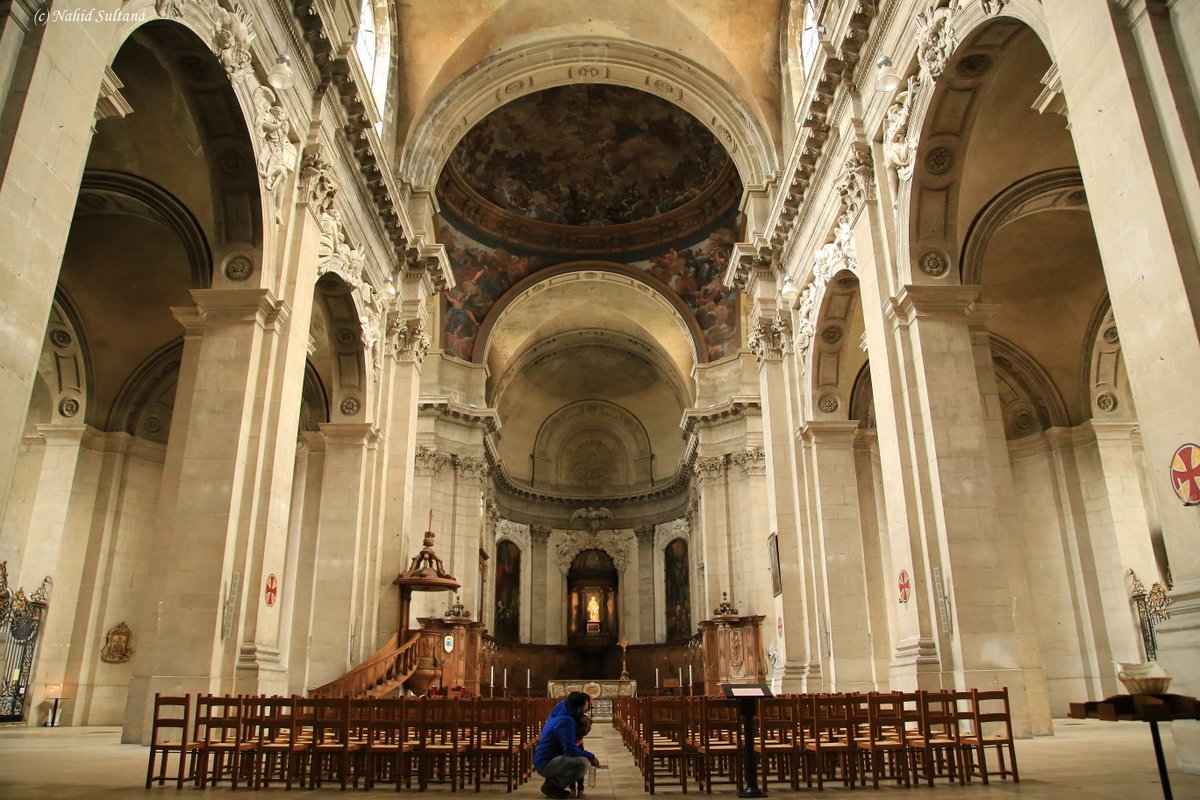
1) CATHEDRAL of NANCY: Also known as Cathedrale-Primatiale de Nancy, was our first stop in Nancy. Nancy is known for having many beautiful and old churches.
The church was built between 1703 and 1742. This is a very Gothic looking cathedral with powerful Corinthian pillars, angel sculptures, decorative arches, painted dome, small chapels, and chapel gates. The altar from 1763 is made of different colored marbles. Check out the organ which fills the entire rear of the church. It is considered as one of the most beautiful one in whole France. The façade, as well as the interior are of the Corinthian order. Interior plan has a Latin-cross shape.
It’s free to enter the cathedral.
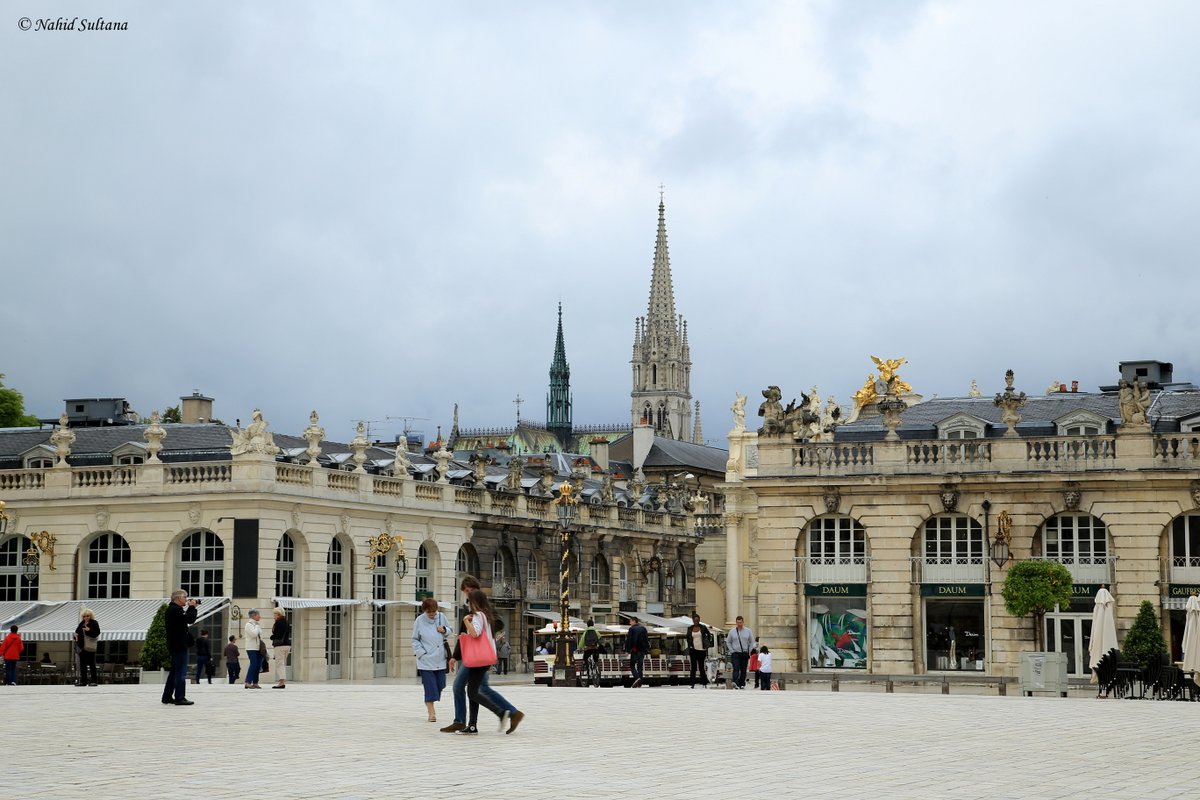
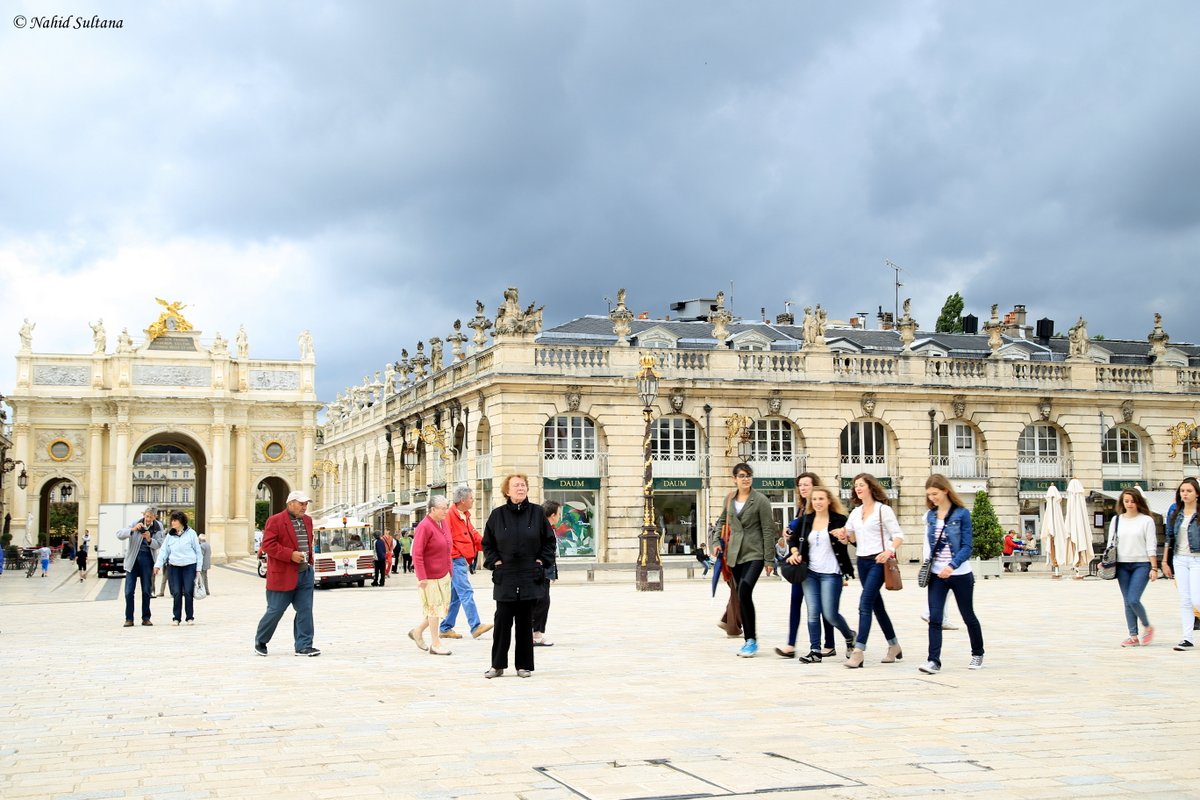
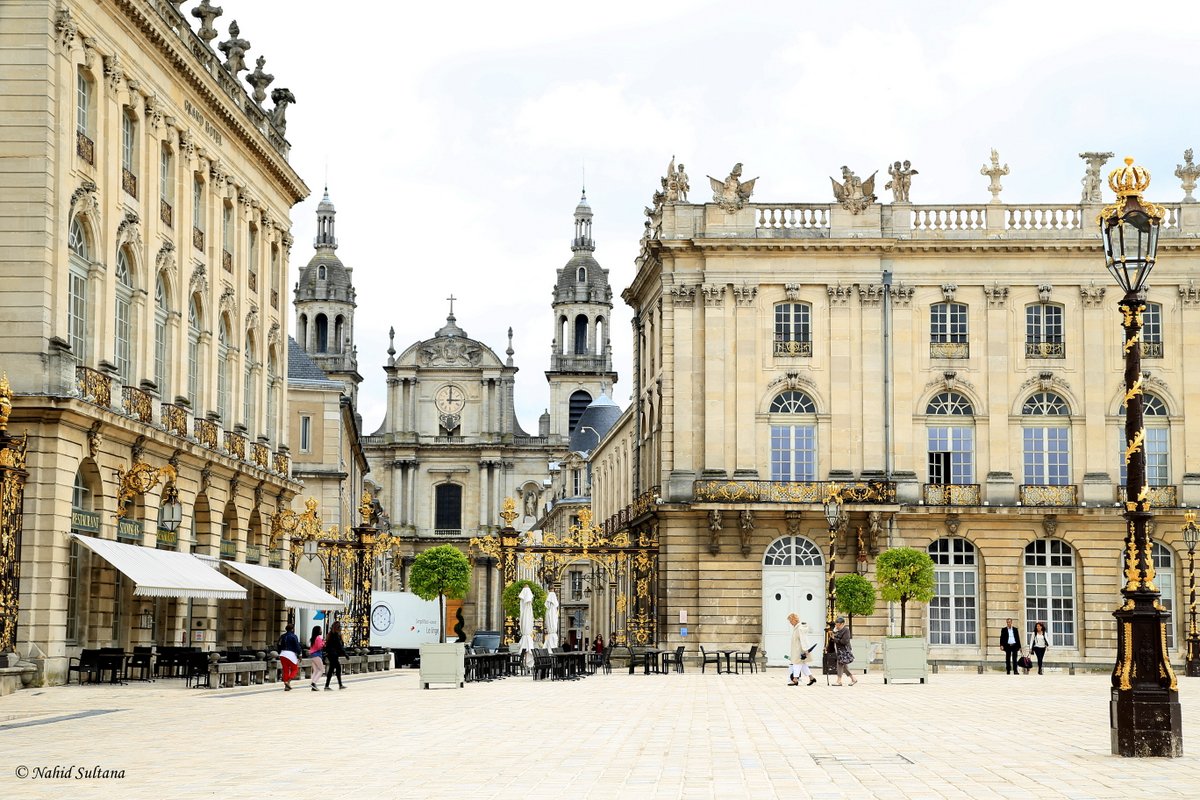
2) PLACE STANISLAS: Listen as the UNESCO World Heritage site, Place Stanislas is an impressive square from mid-1700s which is a popular public gathering point. Town hall of Nancy stands on one side of Place Stanislas. Statue of King Stanislas dominates the square surrounded by buildings and decorative doors. Right in front of the statue of King Stanislas and opposite of the town hall is Arch Here, which was built in honor of King Louis XV and looks very similar to Arc de Triumph in Paris. The square is guarded by few fancy golden wrought iron gates…reminded me of Tsars’ Village in St. Petersburg, Russia. Two lavishly decorated fountains with statues can be seen on the two sides of this square.
3) LA BASILIQUE ST. EPURE: Our last stop in Nancy before heading back to Belgium was this extravagant basilica, known as La Basilique St. Epure. This is a must-see in Nancy which receives thousands of people from all over the world each year. The basilica is standing over an old parish church from 9th Before this current basilica was built in 1871, there were three more churches that have been erected on this site. A large number of European artists and architects were involved giving this edifice its present look.
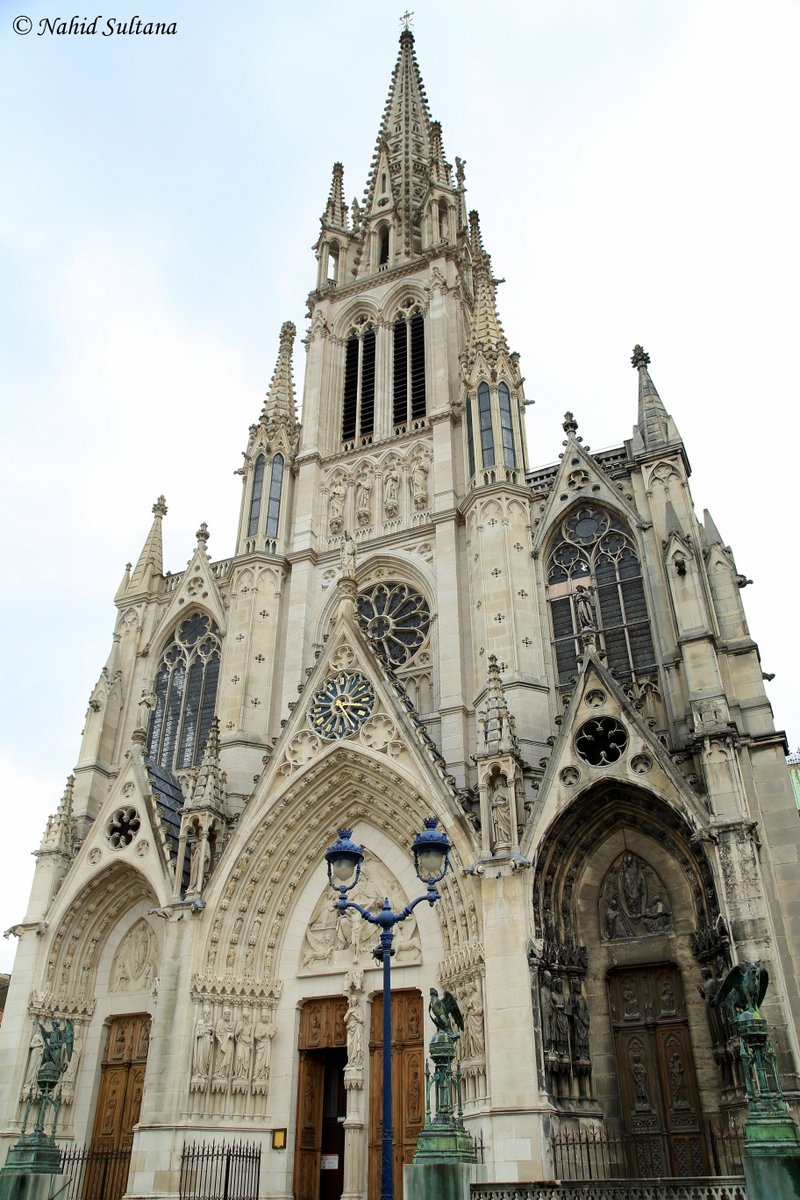
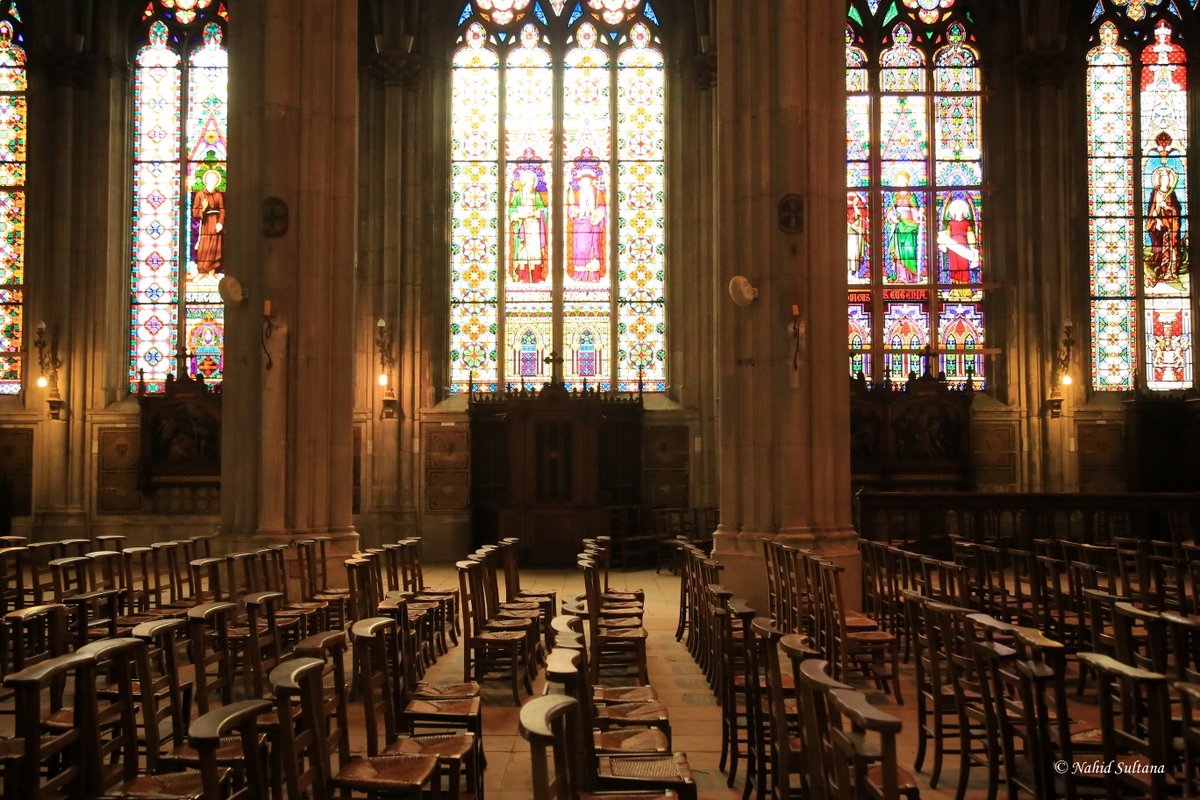
Loved the woodwork, stone carvings, and stained-glass windows here. There are 74 large windows and 3 rose windows which all together, represent about 2300 sq. meters of stained glass surface. This church is known to have “more glass than wall”. Most of these windows are from Vienna, Austria. Check out the carved wood decoration on altars, choir-stalls, cross, statues, and pulpit. The church collected items from all over Europe, like the heaviest bell of the main choir is from Hungary, chandeliers from Belgium, a 25-sq. meter pavement from the Pope Pius IX in Rome. Small chapels on the sides and behind the main altar are very decorative with statues, stained-glass windows, and old religious artifacts. Its 84 meters (or 275 ft.) height spire rises high and looms over Nancy’s old town with a glaze.
The basilica is located at the very heart of Nancy, only few minutes’ walk from Place Stanislas. There is no fee to get inside. Check out Museum of Lorraine, an artistic building in front of this basilica, which once used to be the Ducal Palace.
Share this:

Dijon, France – the town of Mustard
DIJON, FRANCE: Yep it is that Dijon which you keep in your refrigerator for flavoring your sandwiches or other dips and sauces. And that was the sole reason for me to visit this town. I wanted to know where my Dijon mustard originally came from which I generously use on my turkey sandwich every time. But Dijon is more than just mustard or dipping sauces.
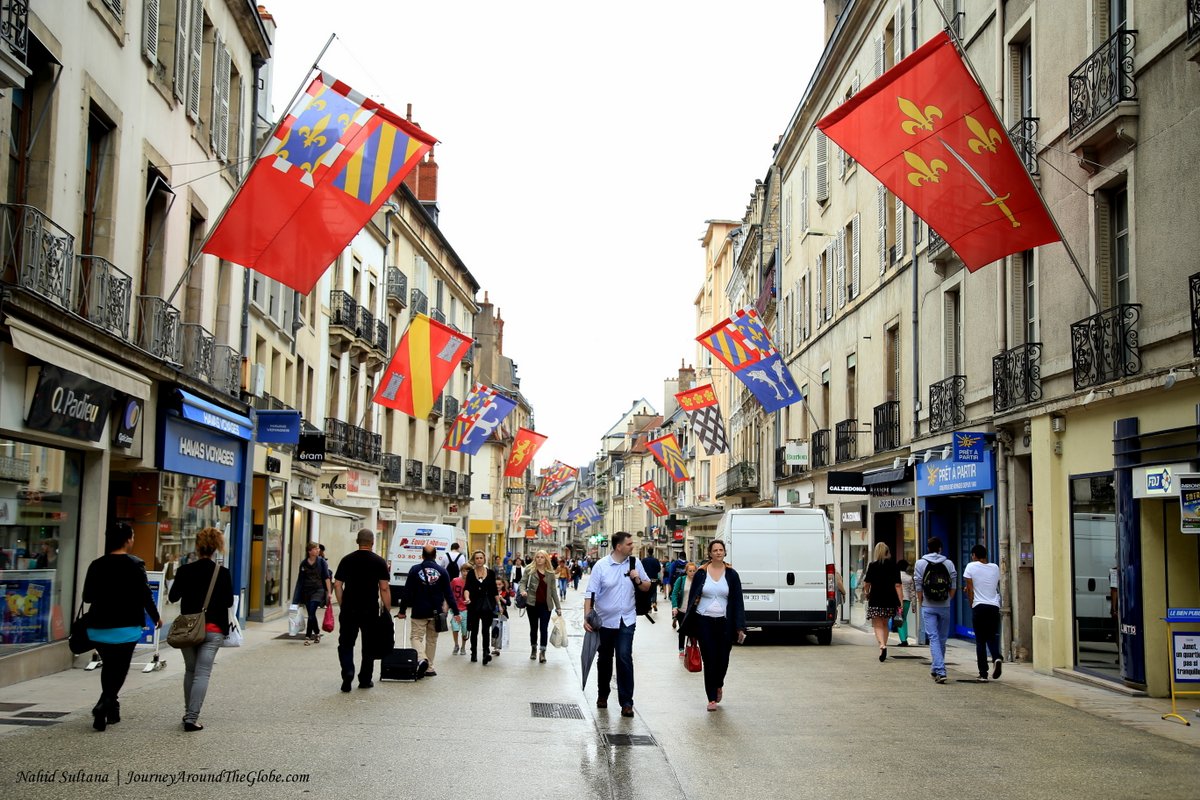
Dijon is the capital of Burgundy, a region in eastern France. It was a booming major center for Gothic and Renaissance culture and art around 14th and 15th centuries. And since the city wasn’t heavily damaged during the WWII, some of its historic buildings and icons from that era can still be seen around the old town of Dijon.
If you have spare time in Dijon, make sure to visit nearby towns and cities, like Annecy, Chamonix, or Nancy. Within couple hours from Dijon, Mont-Blanc stands majestically looking over whole Europe.
TIME of TRAVEL: We made a road trip in July of 2014 to the French Alps, visiting Mont Blanc…the highest peak of Alps. After visiting Annecy, Chamonix, and Mont-Blanc, our next stop was Dijon. It’s usually nice in July, but we got some wind and rain the day we were there. Being the last road-trip before leaving Europe, this whole journey was a memorable one for all of us.
OUR HOTEL: We stayed in Holiday Inn Dijon, a bit outside the main city center. We had free Wi-Fi and parking but breakfast wasn’t included. Hotel was of course great with cleanliness, staff, and everything else…it’s Holiday Inn after all, good reputation and good service.
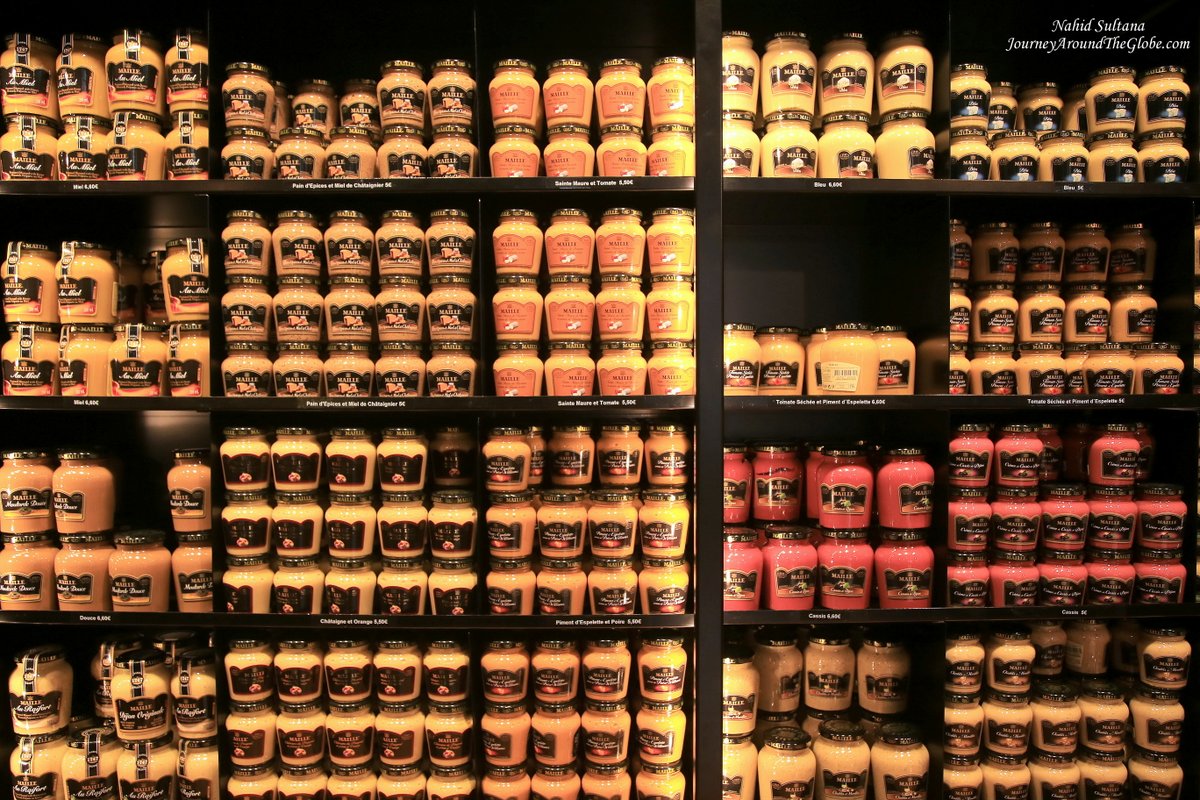
EATING and SHOPPING: Rue de la Liberte is one of the best places for meals or shopping. Other old parts also have hidden cafes and restaurants. We did our mustard shopping from “Maille” on Rue de la Liberte. This is a mustard store from 1747 that has more than 30 different types of mustard in their collections. “Edmond Fallot” is another store we went inside where you can find tons of different kinds of mustard and the store dates back to 1840. These stores offer free samples before buying…make sure you know what you are buying.
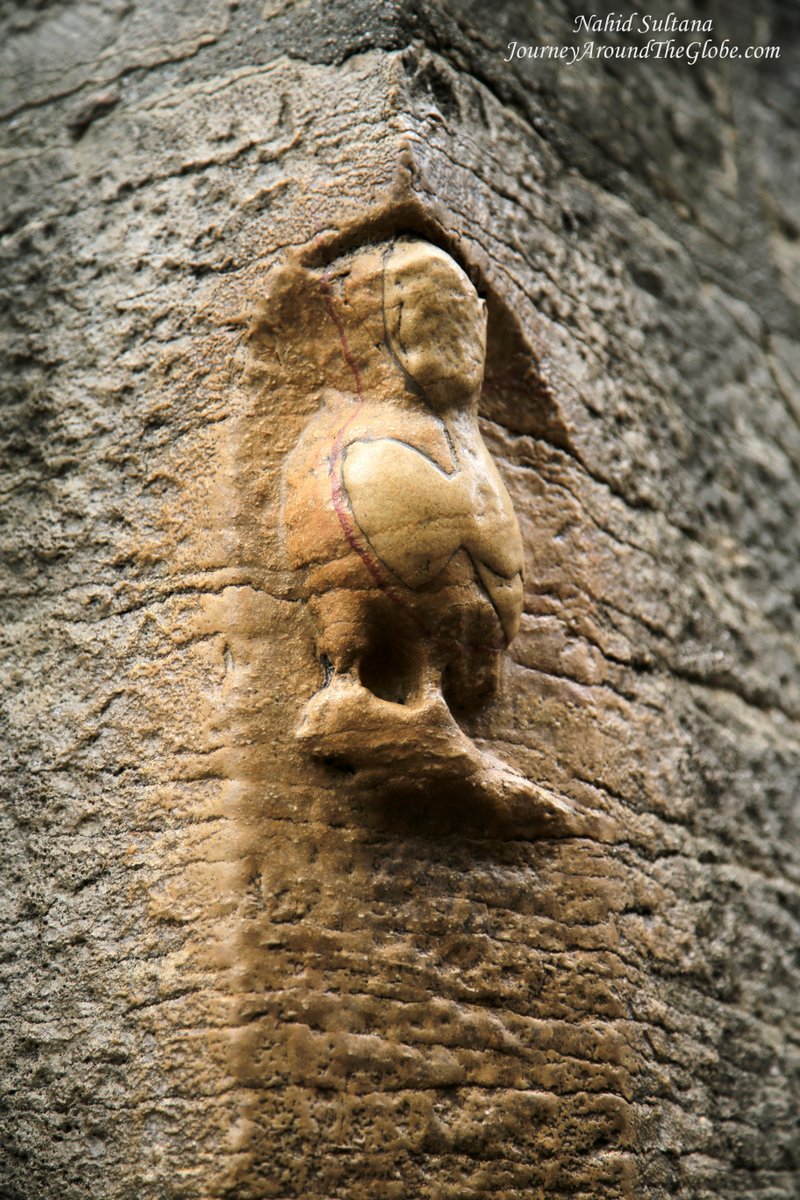
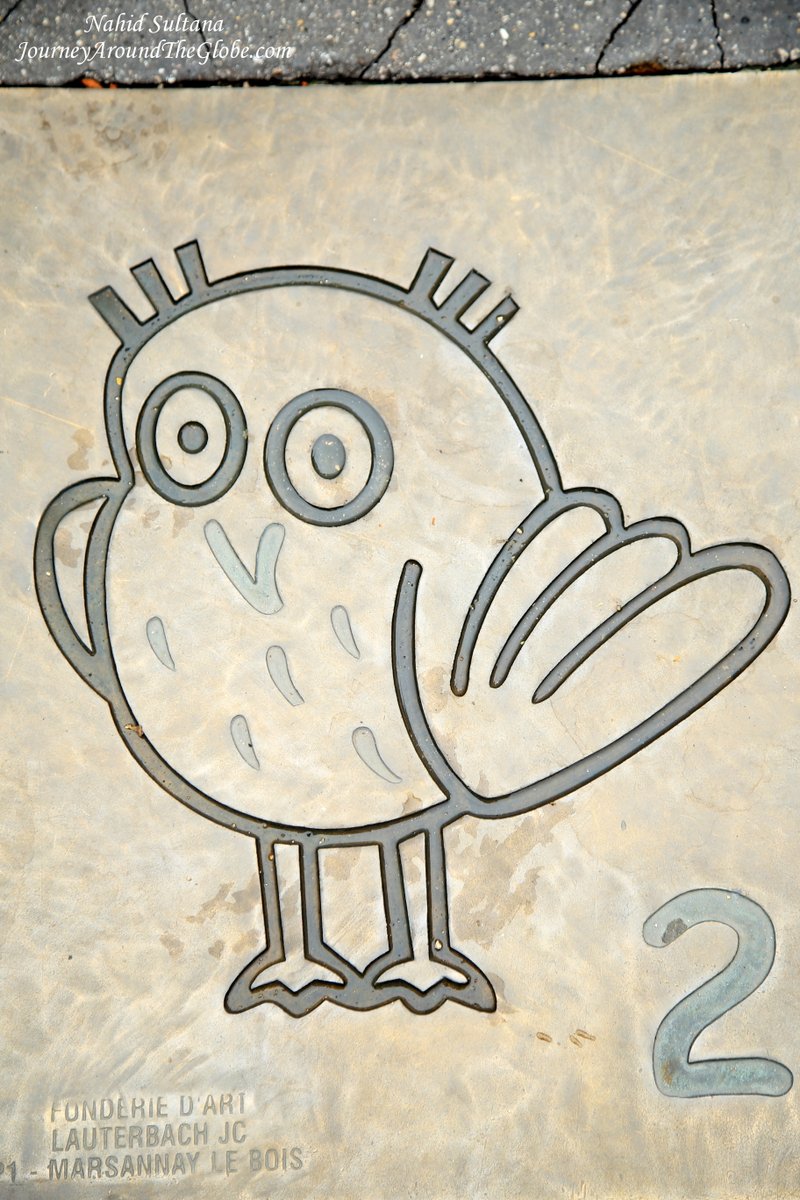
PLACES WE’VE VISITED: Walking is the best way to explore the city center of Dijon. And an easy way to do it in Dijon is following numbered “owl” metal plates on the ground. There are total of 22 stops and this self-guided tour takes you to most of the interesting places in walkable distances. Owl is the icon of this city and you will see lots of it at every corner here.
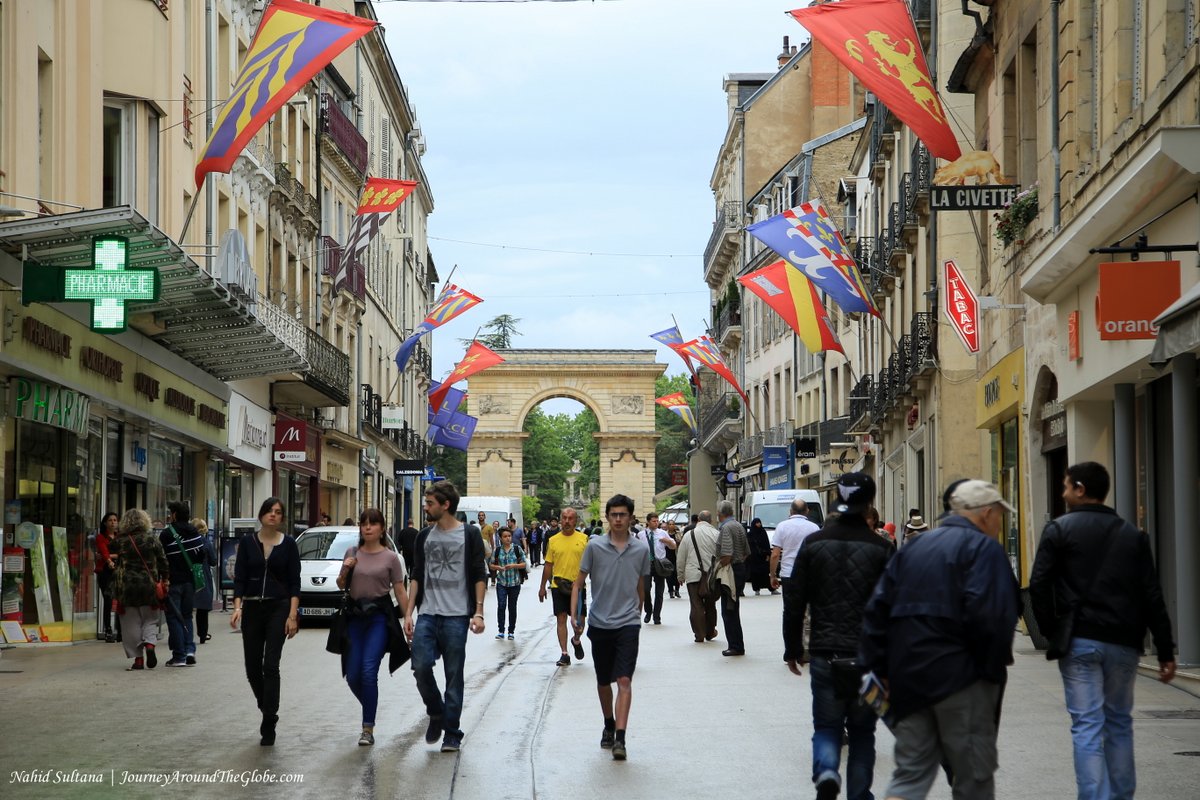
1) LA PORTE GUILLAUME and RUE de la LIBERTE: We parked our car right below this square or pedestrian zone. Rue de la Liberte is a long stretch of pedestrian only path packed with countless shops and eateries. La Porte Guillaume is an old gate, similar to Arc de Triumph in Paris, at one end of Rue de la Liberte.
2) CATHEDRALE SAINTE-BENIGNE: Walking from Rue d la Liberte, you can’t miss the Gothic spires and steeples of this cathedral. Built in the 14th century, this is a national monument of France. Inside is as gorgeous as its exterior. We spent some time going around and enjoying cathedral’s huge organ, big paintings, sculptures, and vibrant stained-glass windows.
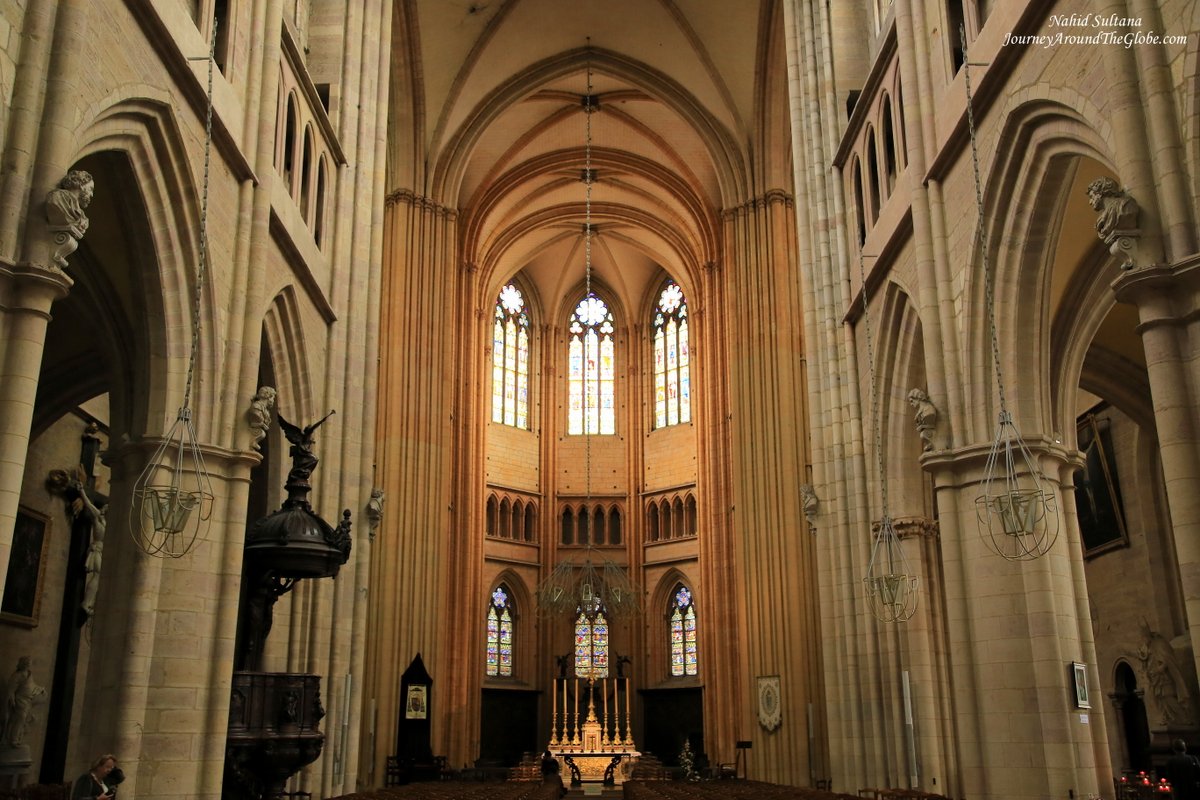
The cathedral is open from 8:30am to 7pm and free for any tourists.
3) EGLISE SAINT-PHILIBERT: Built in the 12th century on the site of an old basilica, this church is a remarkable example of Romanesque edifice. A flamboyant Gothic steeple was added in the 16th It was across the street from Cathedral Saint-Benigne. We walked past it without going inside the church because its current precarious state forbids visits.
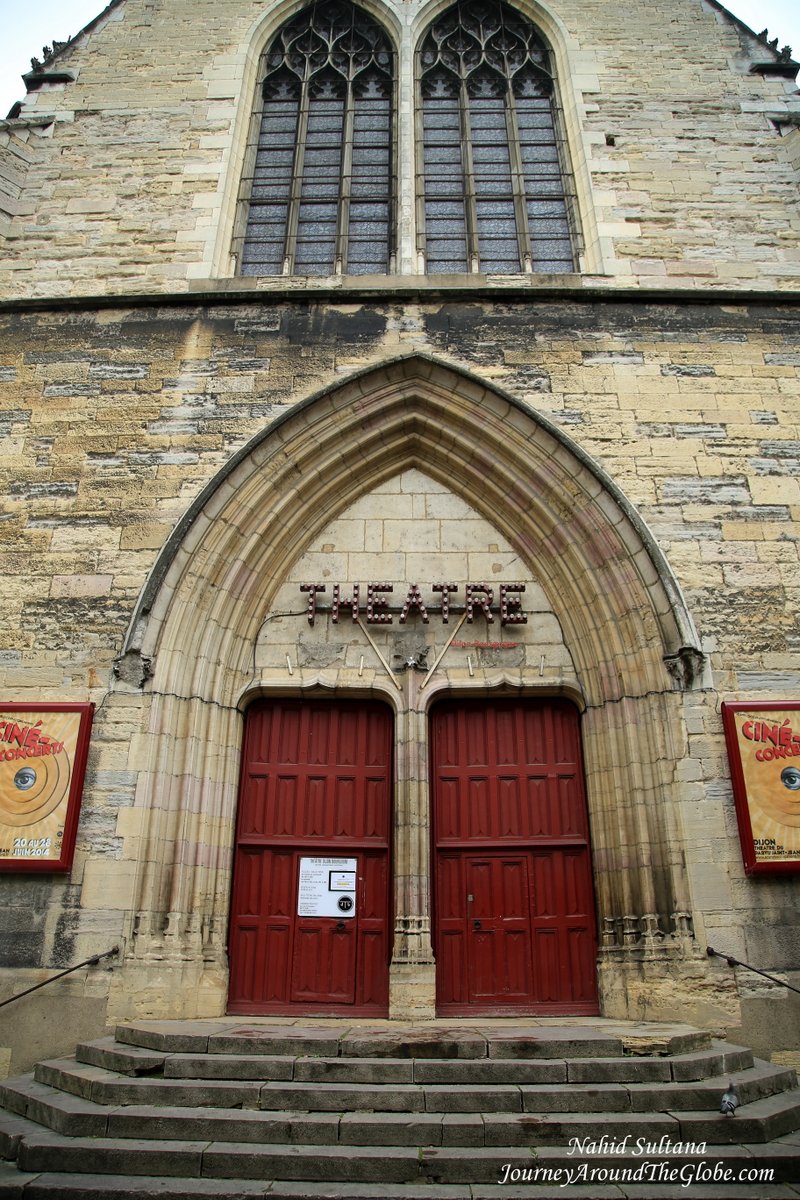
4) THEATRE DIJON-BOURGOGNE: After the above church, we continued following the “Owl” of Dijon and in couple minutes the “Owl” brought us to this old theatre which looked more like a medieval church. This was closed to tourists as well.
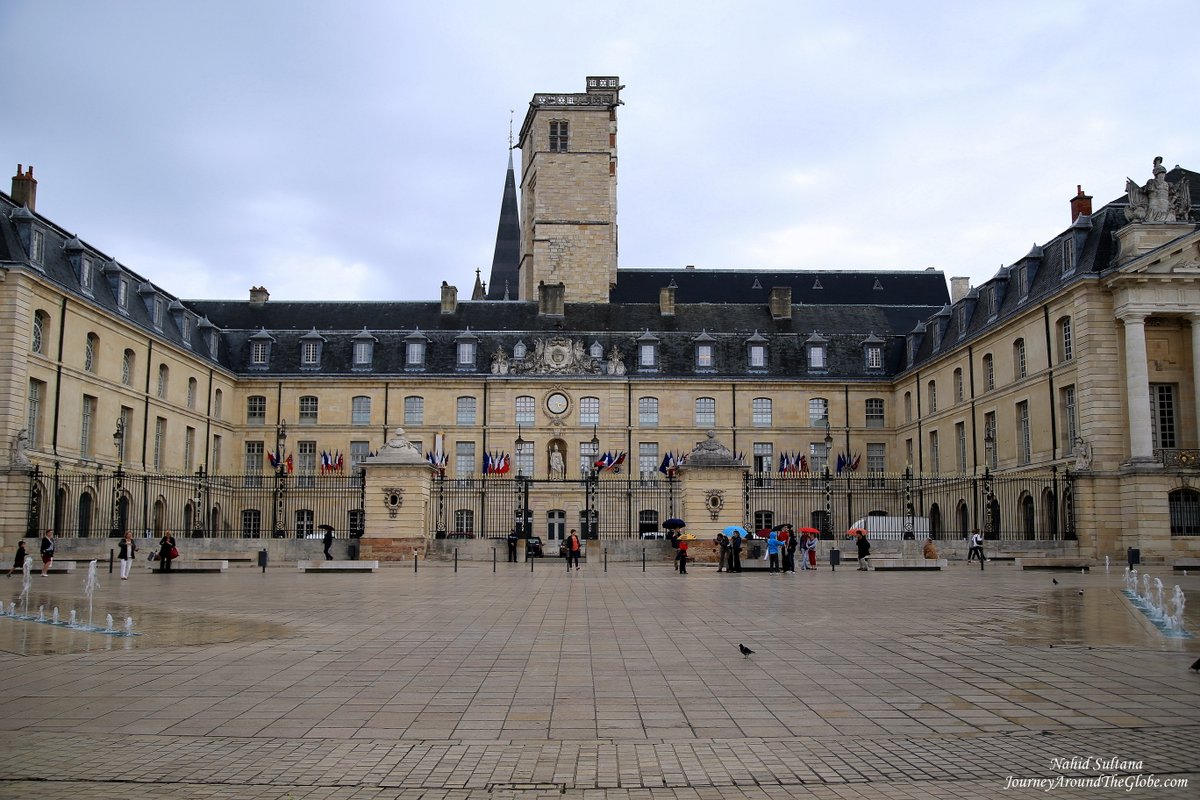
5) DUCAL PALACE: Although we didn’t go inside the Ducal Palace, it is a beautiful building in Place de la Liberation with an open space/square in front of it. It now houses a museum, known as Museum of Beaux Arts, which is considered as one of the best in this region. Other than that it has decent collection of medieval arts, paintings by local and Flemish artists, and some recent art collection which includes Picasso and Monet as well.
Place de la Liberation has many small shops, restaurants, and cafes. My girls loved the water fountain in the middle of the square, even though it was wet and cold.
6) NOTRE DAME CHURCH: Just 5 minutes of walk from Ducal Palace is Notre Dame Church. This 13th century church is small but very elegant inside. Old walls, stained-glass windows, and bold stone pillars put middle age touches everywhere.
Once you are done with visiting inside the church, go around and look for the “Owl” icon sculpted at one side of the church. This is known to be one of the earliest image of the owl in Dijon, from the 16th century. Tradition is to touch it with your left hand from left to right to bring good luck.
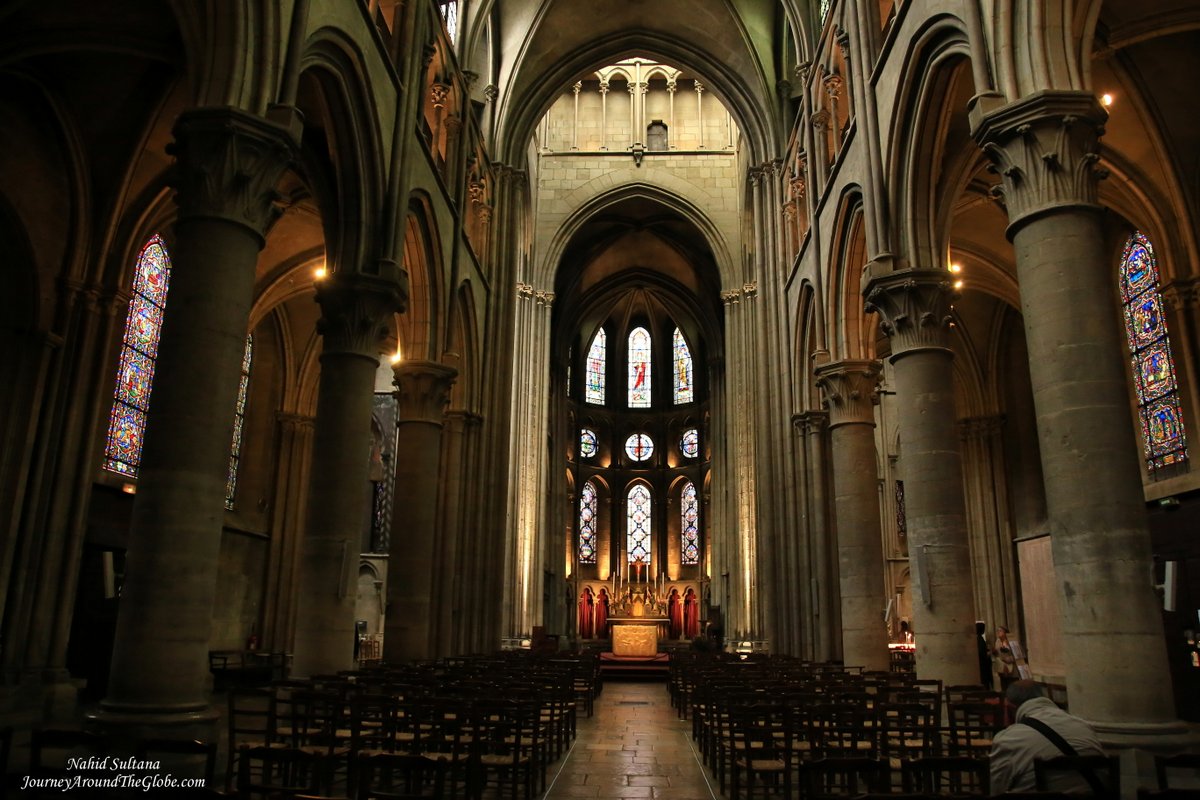
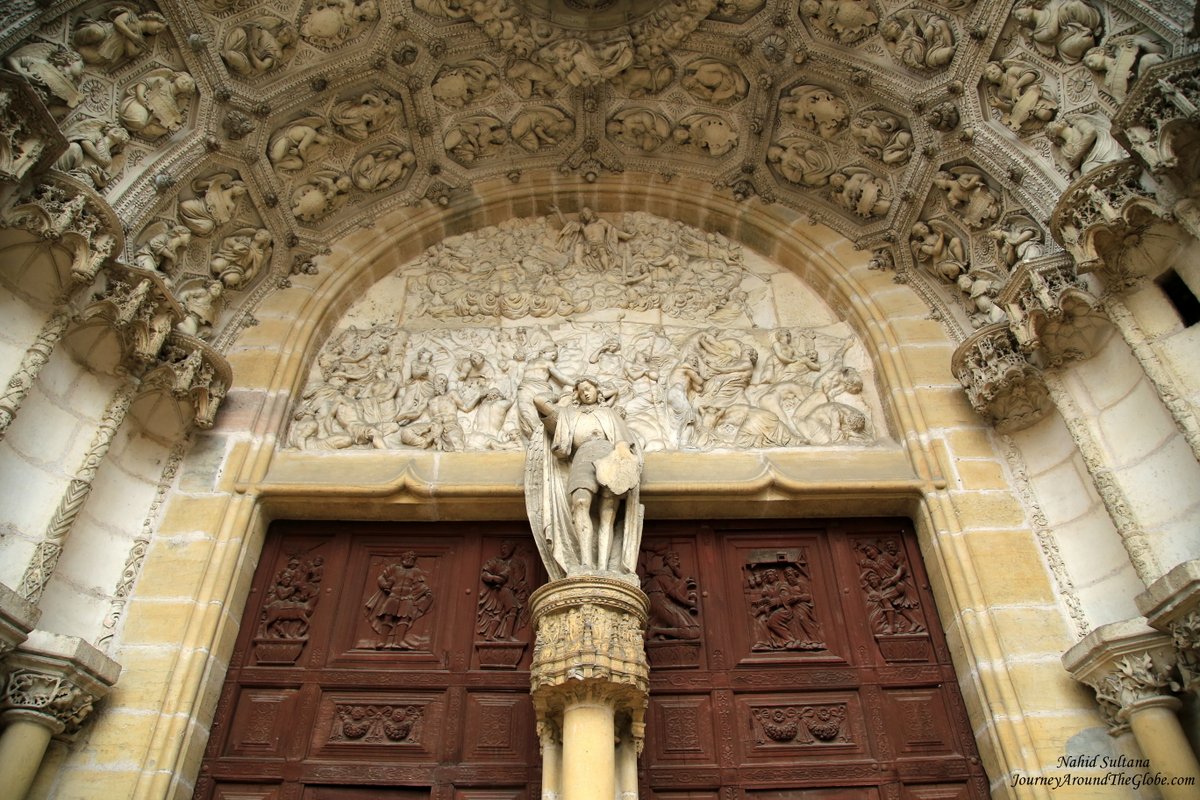
7) MICHEL CHURCH: It started drizzling when we came close to this church. We walked about few minutes from Notre Dame to get here. The present look of this church dates back to the very end of 15th century. The remarkable choir is from 1763. This is a big church, similar to Cathedral Saint-Benigne. It’s free to go in, don’t miss the grand stained-glass over the main altar.
Share this:

A French Alpine Town – Chamonix
CHAMONIX MONT-BLANC, FRANCE: Located at the foothill of majestic Mont Blanc in south-eastern France, Chamonix Mont-Blanc (or just Chamonix in short) is an attractive Alpine village to visit any time of the year. For decades, Chamonix was known to be a winter getaway for the up-scale travelers. It was this city which hosted the first ever Winter Olympics in 1924. Being 1030 meters (3400 ft.) above sea-level, many tourists keep coming back here for winter activities and for its charming and unique location.
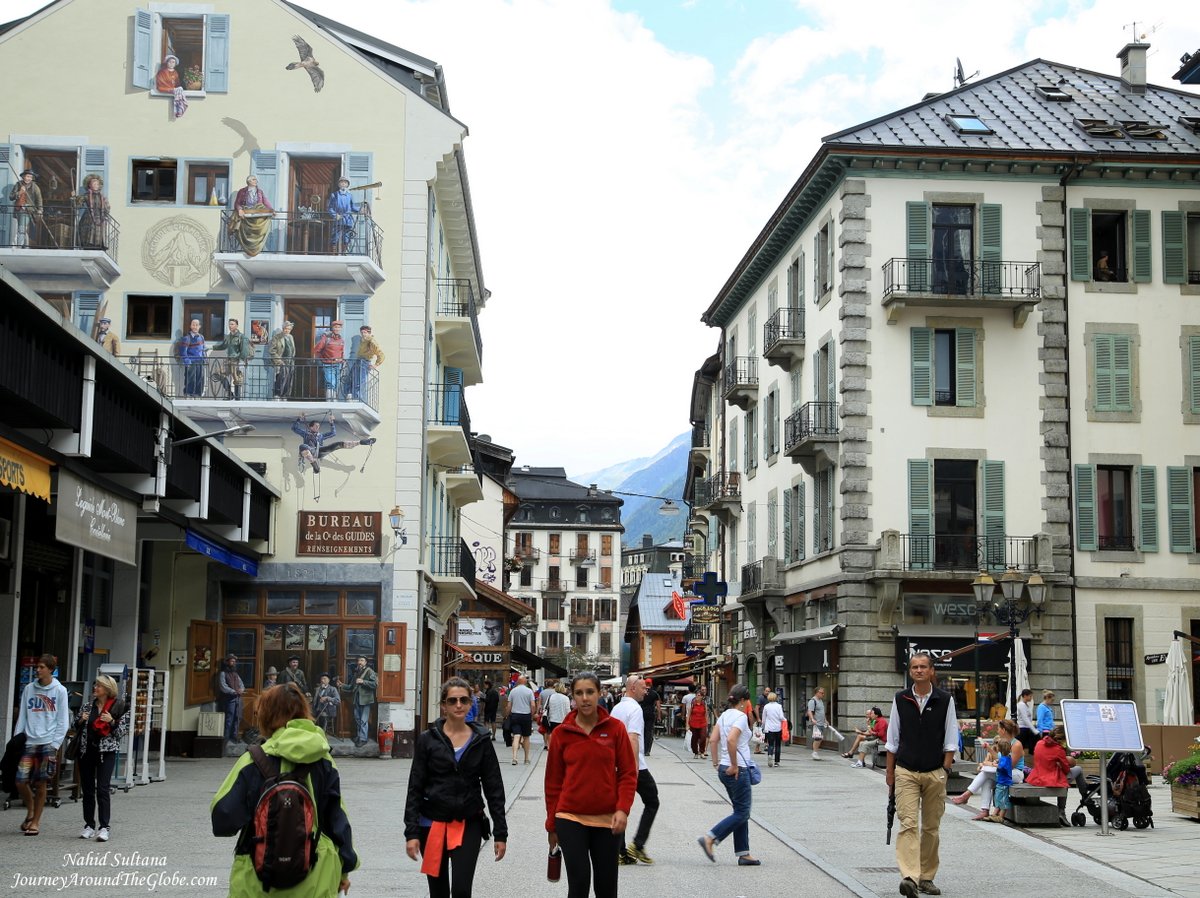
Chamonix is one of the towns that surrounds Mont Blanc from one side and is itself surrounded by the Alps. This is where passionate mountaineers come to fulfill their dreams of climbing the highest peak of Europe…Mont Blanc. Its picturesque squares with the Alps in the backdrop, artistic buildings, countless restaurants, and buzzing crowds make this place a relax getaway for travelers of any age.
TIME of TRAVEL: Visiting Mont Blanc was on our list for a long time when we were living in Belgium. The opportunity finally came right before we left Europe in July of 2014. Our friend Sidfar from Antwerp also joined us in this 5-day long trip. We visited Annecy, Mont Blanc, Chamonix, then Dijon, and Nancy afterwards. It was our last road trip in Europe, that’s why even memorable for all of us.
OUR HOTEL: Our hotel was not in or near Chamonix. We stayed in Annecy, about an hour drive from Mont Blanc. It was “Sejours & Affaires Pont Neuf – Cran Gevrier” somewhat close to Annecy Old Town. The hotel (which was more like a hostel) didn’t have 24-hour reception service. That was not a problem although we reached there really late at night (they left the keys in a safe-box for us). Good part of this place that we had a small kitchen and a balcony. We also had free Wi-Fi and parking. Annecy, situated by Lake Annecy, itself is a stunning town and is known as The Venice of France. Spare a day if you can for this little town and you won’t regret it for a second.
EATING and SHOPPING: Chamonix city center is the probably the best area for tourists to buy souvenirs or winter gears. There were tons of brand name stores where you can buy all the things you need to climb Mont Blanc massif from winter jackets, clothing accessories, to foot gears, and heavy duty sports items. This small town also boasts for gastronomic restaurants. Although we saw an Indian restaurant and did a take-away order from there, you will find tons of other restaurants offering traditional Mont Blanc cuisine right here in the heart of Chamonix.
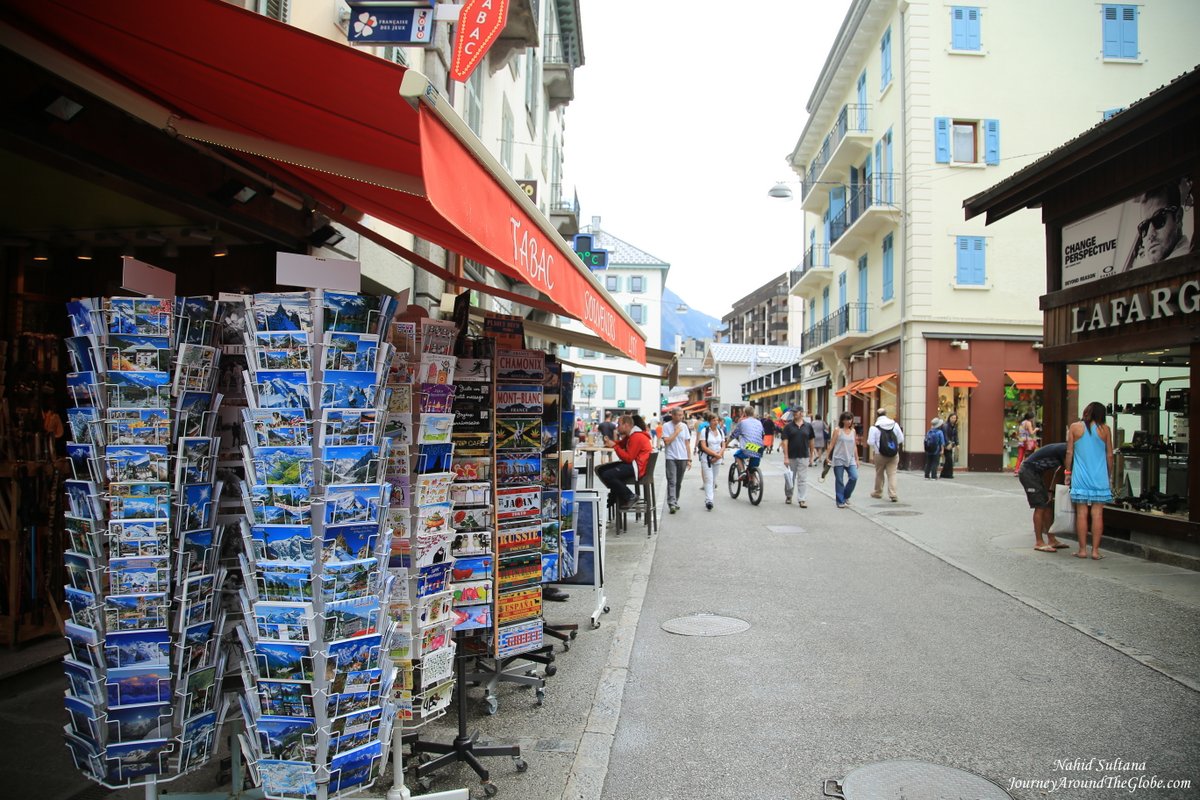
PLACES WE’VE VISITED: Of course the biggest attraction of Chamonix and the reason most of the tourists is to get a glimpse of the highest peak of the Alps…Mont Blanc (check out my page/post on Mont Blanc). Upon arriving in Chamonix in the morning of our visit, we took a cable car to Aiguille du Midi and spent the whole day visiting different summits of French Alps enjoying glaciers, valleys, green meadows, and whitest snow of Mont Blanc massif. After Aiguille du Midi, we came down to the town and spent about little more than an hour in the city center of Chamonix.
1) CITY CENTER: This is the heart and the liveliest spot of Chamonix. It’s a relaxed atmosphere with trendy shopping streets and stunning view. Each block of this area was decorated with colorful fresh flowers bouquets and baskets. River Arve dissects the city center in two parts carrying water from the mountains.
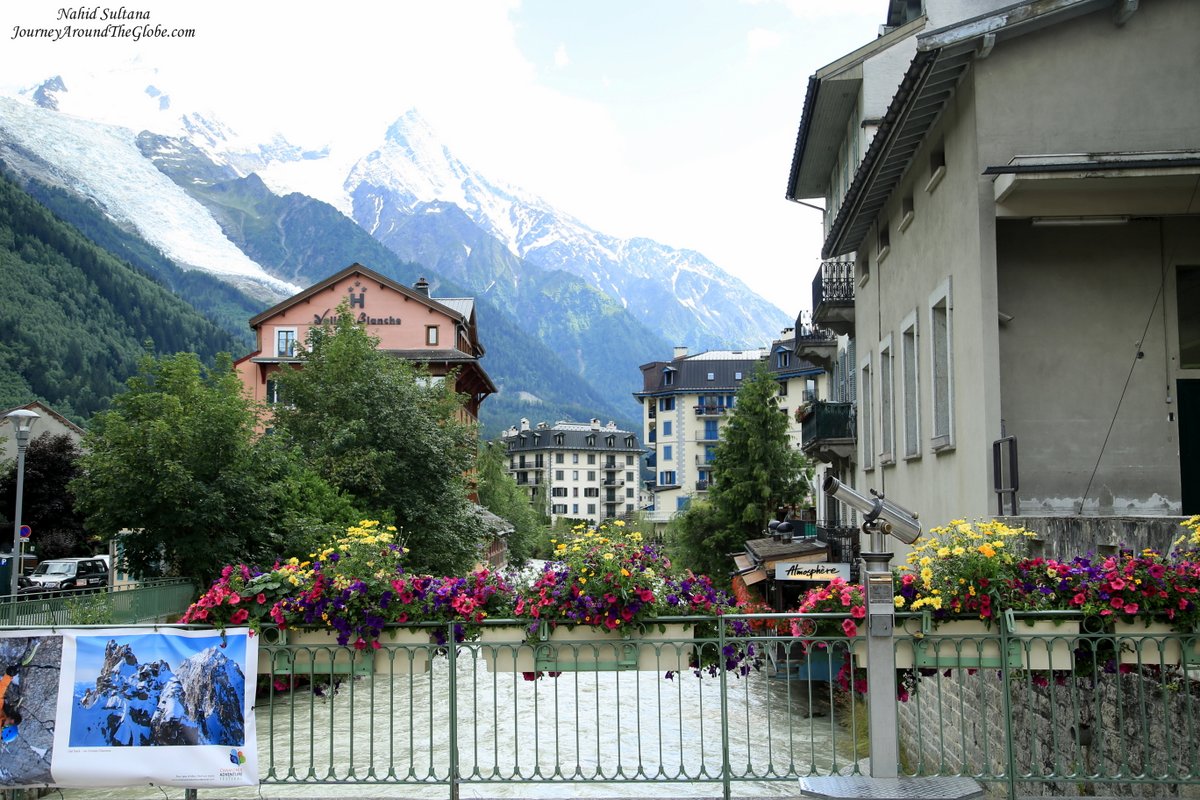
Being so close to Mont Blanc, one of the popular destinations for winter sports in the Alps, Chamonix city center has tons of sports stores like North Face, Columbia, and Ice Breaker. The place is crowded with serious and experienced climbers and hikers. Just looking at their heavy gears made me adventurous…they were here for real Alpine wilderness. And then of course, there were tourists like us who were enjoying the atmosphere and the natural beauty from our own comfort zone.
If you are there in summer, like us, take your time and go around the town center, enjoy the view of the River Arve, summer blooms, energetic crowds, and outdoor cafes. I am imagining, it’s completely a different scene in the winter time. May be the river freezes, Mont Blanc gets a new facelift with heavier and thicker snow pile, whole city center may look white but be dazzling with Christmas trees, lights, and decoration…not to mention Christmas markets and enthusiastic winter athletes.
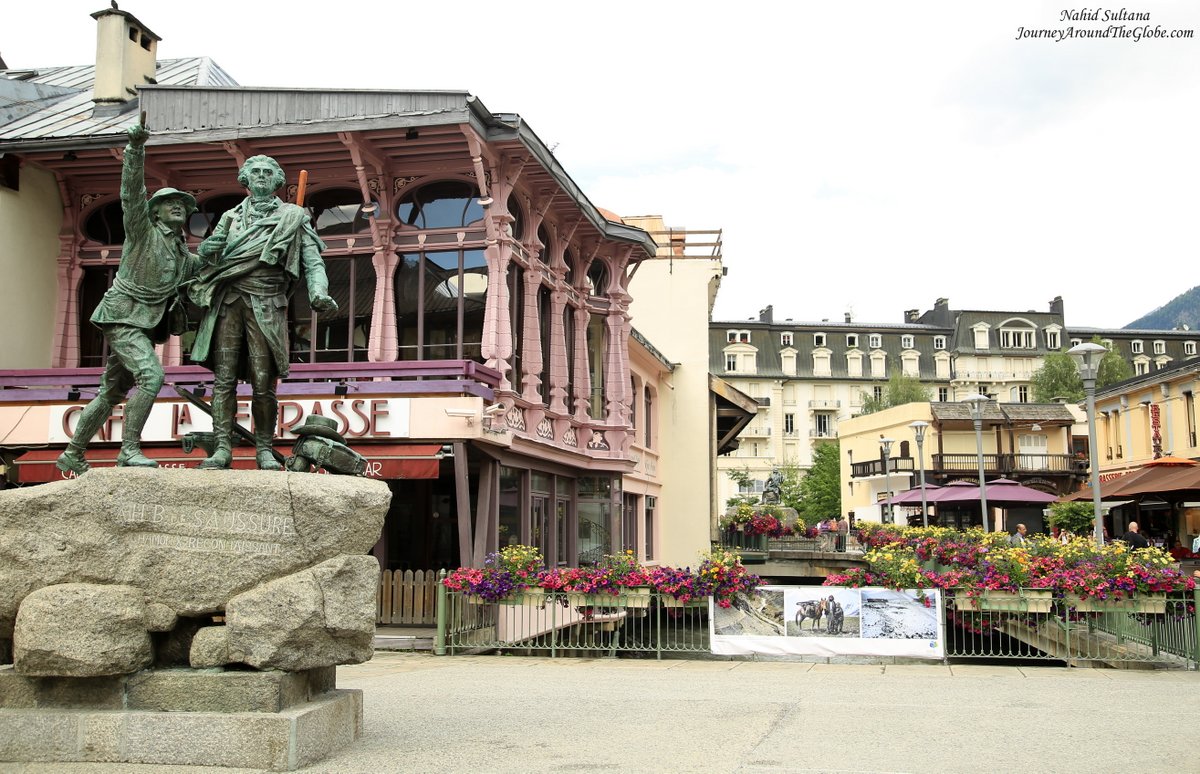
2) STATUE of de SAUSSURE: This is a statue of heroism and bravery in the center of Chamonix in front of a casino. It honors Horace Benedict de Saussure who was the first person to climb Mont Blanc. The statue portrays Horace Benedict de Saussure, beside him Jacques Balmat standing, pointing his finger towards Mont Blanc.
3) CATHOLIC CHURCH of St. MICHAEL: This church is in the city center near Place d’la Eglise which also houses Chamonix Town Hall. It was impressively decorated with vibrant hanging flower baskets and flags. I didn’t go inside the church but walking along that street was a pleasure no doubt.
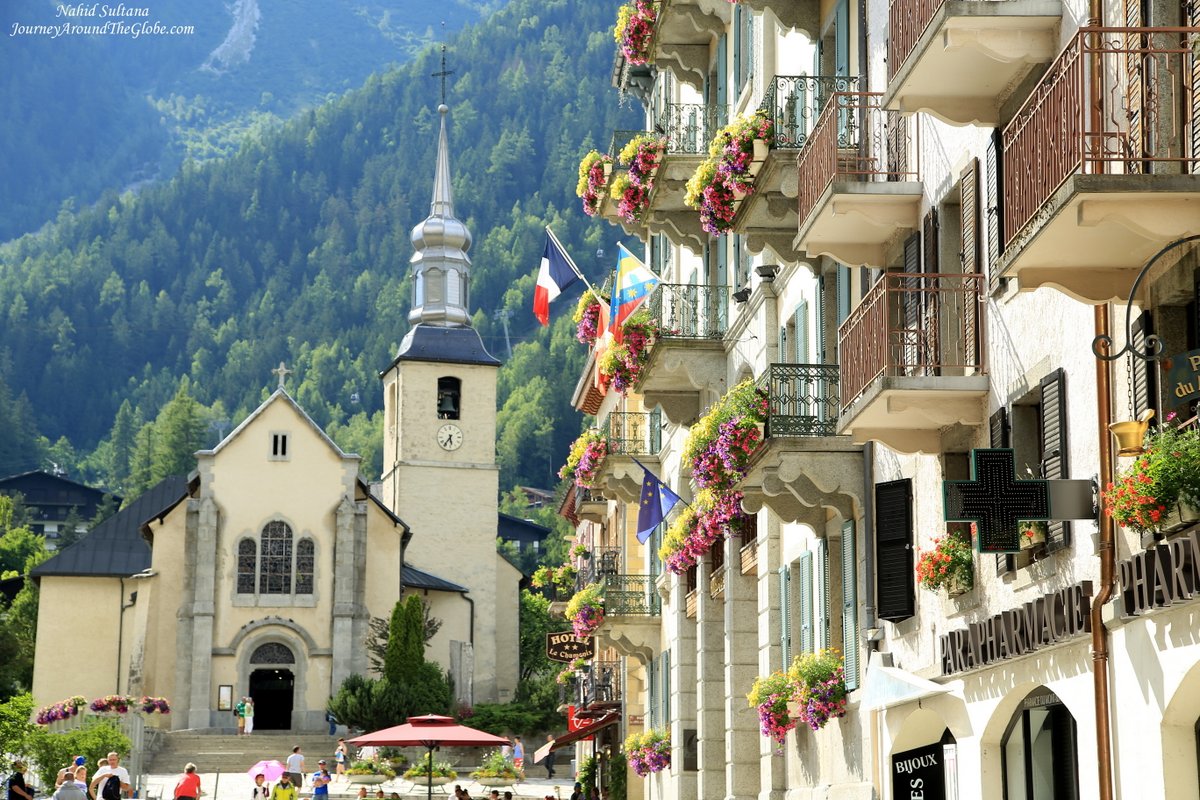
4) PLACE JACQUES BALMAT: This beautiful and little square in the city center was named after Jacque Balmat who was the climbing partner to ascend Mont Blanc in August 8th, 1786 with Dr. Paccard. Again, plenty of flowers adorned this pedestrian zone while many shops and cafes made it a place where I wouldn’t mind going back over and over again.
Rue du Docteur Paccard is, you can say, the main shopping street in city center and got its name from Doctor Paccard who climbed Mont Blanc in 1786 as mentioned above. Their ascension to Mont Blanc was a historic achievement in mountaineering.
Share this:

Business Excellence Award 2020 from AI Global Media for The Most Entertaining Personal Travel Blog – Pacific Northwest USA

Top Posts & Pages


Business Excellence Award 2020 for The Most Entertaining Personal Travel Blog – Pacific Northwest USA

 Globe Runner

